1 June 2026 MOVIE MARTIAL ARTS
5 Biggest Mistakes Martial Artists Make on Film Sets (And How to Avoid Them)
For many martial artists, working in film and television is an exciting opportunity. The idea of performing dynamic fight scenes, working alongside professional stunt teams, and seeing your skills on screen is appealing.
However, the film industry operates very differently from a martial arts dojo or competition environment. Even highly skilled martial artists can struggle on set if they don’t understand how film productions work.
In fact, many talented performers miss out on opportunities simply because they make avoidable mistakes when transitioning from martial arts training to on-camera performance.
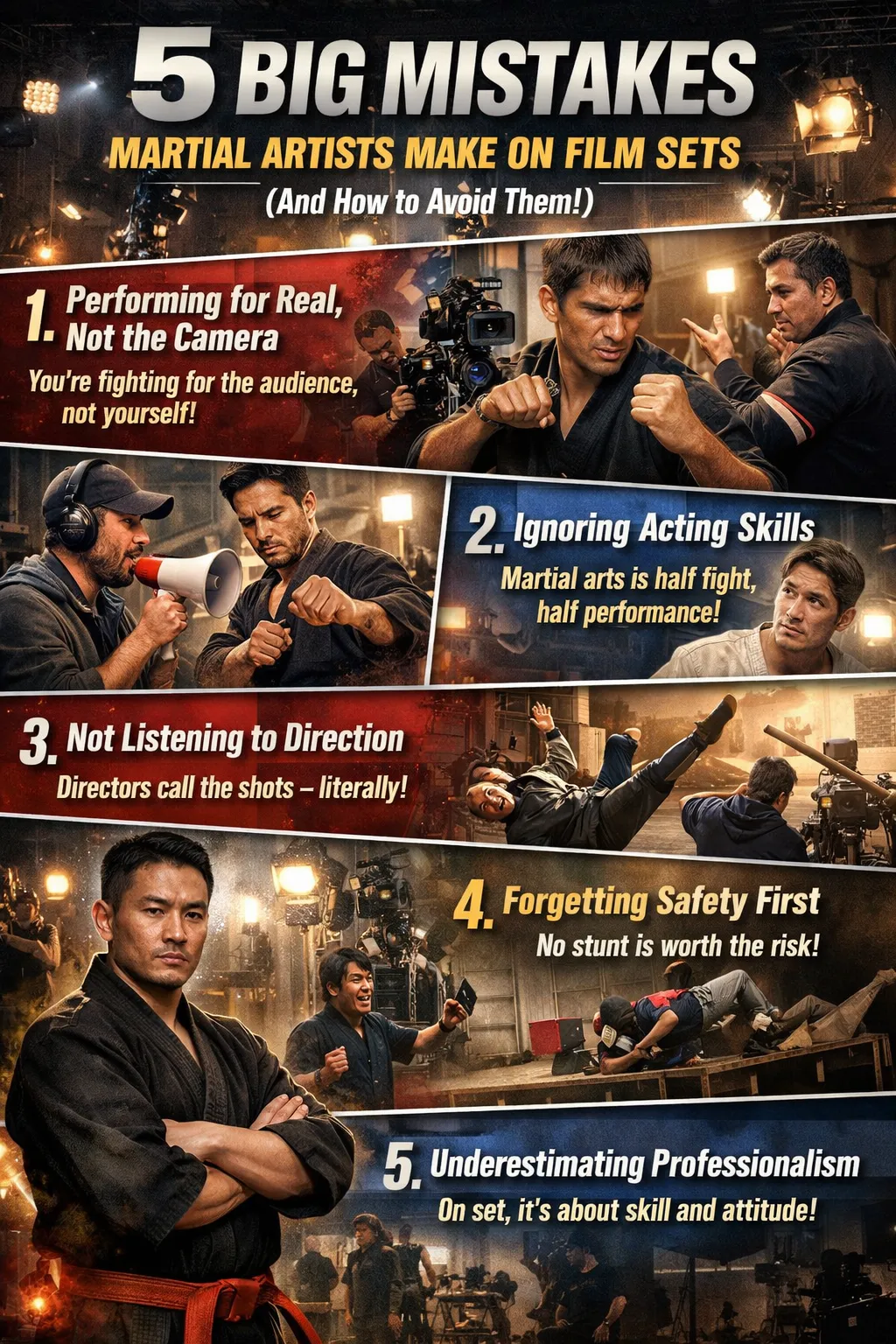
Here are five of the most common mistakes martial artists make on film sets—and how to avoid them.
1. Performing for Real Instead of Performing for the Camera
In martial arts training, efficiency and effectiveness are essential. Techniques are designed to work in real combat situations.
On a film set, however, the goal is very different. Fight scenes must look powerful and convincing while remaining safe for everyone involved.
Many martial artists make the mistake of trying to perform techniques exactly as they would in a real fight. The result can be movements that appear too small, too fast, or difficult for the camera to capture clearly.
Professional fight choreography focuses on visibility, timing, and storytelling. Movements are often exaggerated slightly so the audience can clearly see the action.
What to do instead
Learn to perform techniques for the camera, not for real combat. Work with the choreography, adjust your angles, and focus on making movements clear and cinematic.
2. Ignoring the Importance of Acting
Martial artists sometimes assume that strong physical skills are enough to succeed in film work. While technical ability is important, it’s only one part of the equation.
On screen, audiences must believe the story being told. That means performers need to convey emotion, reactions, and character motivation.
Without acting skills, even a technically perfect fight sequence can feel flat or unconvincing.
Directors and casting professionals often look for performers who can combine physical ability with believable screen presence.
What to do instead
Develop your on-camera acting skills. Practice reacting naturally, expressing emotion through body language, and maintaining character throughout the scene.
3. Not Listening Carefully to Direction
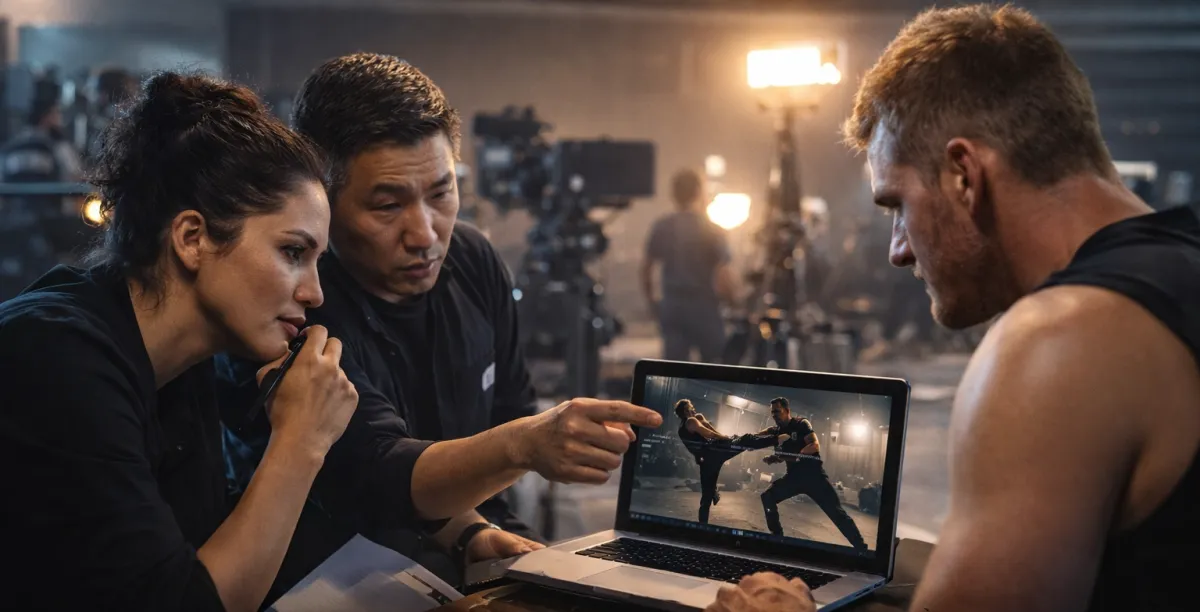
Film sets are highly collaborative environments. Directors, stunt coordinators, fight choreographers, and camera operators all work together to capture the best possible shot.
Martial artists who are used to leading training sessions or demonstrating techniques sometimes struggle with this environment if they try to impose their own ideas instead of following direction.
Ignoring instructions or improvising techniques can disrupt the choreography and create safety risks.
What to do instead
Listen carefully to the director and stunt coordinator. Their job is to ensure the scene works both visually and safely.
The most successful performers are those who can adapt quickly and execute instructions precisely.
4. Forgetting That Safety Comes First
Film fight scenes may look intense, but safety is always the top priority on professional productions.
Martial artists who attempt techniques with too much force or speed can unintentionally create dangerous situations for their partners.
Professional stunt performers are trained to control their movements carefully and maintain safe distances during strikes, throws, and reactions.
What to do instead
Focus on control, timing, and awareness. Always respect the choreography and communicate clearly with your scene partner.
Safety on set protects everyone involved—and it’s one of the qualities that coordinators value most when hiring performers.
5. Underestimating Professionalism
The film industry values reliability, discipline, and teamwork.
Arriving late, failing to prepare, or having a poor attitude can quickly damage a performer’s reputation. Unlike martial arts competitions, film productions rely on large teams working under tight schedules and budgets.
Stunt coordinators and casting professionals often rehire performers who demonstrate strong professionalism - even more than those who simply have impressive physical skills.
What to do instead
Treat every opportunity professionally. Be prepared, arrive early, respect the crew, and maintain a positive attitude throughout the production.
These qualities often determine who gets called back for future projects.
FAQ
Do martial artists need acting skills to work in film?
Yes. While strong martial arts ability is important, film and television productions also require performers who can express emotion, react naturally, and contribute to storytelling on screen. Martial artists who develop acting skills often have a greater advantage when pursuing roles in the film industry.
Can martial artists become stunt performers?
Many stunt performers come from martial arts backgrounds. However, working in the stunt industry also requires additional skills such as screen fighting, timing, safety awareness, and the ability to perform choreography for the camera.
What do stunt coordinators look for in martial artists?
Stunt coordinators typically look for performers who combine physical ability with professionalism, reliability, and the ability to follow direction. Control, safety awareness, and teamwork are often just as important as technical martial arts skills.
Final Thoughts
Martial artists bring powerful physical skills to the world of film and television, but success on screen requires more than technical ability.
Understanding how fight choreography works, developing acting skills, following direction, prioritizing safety, and maintaining professionalism are all essential for working successfully in the industry.
By avoiding these common mistakes, martial artists can transition more effectively into the world of film performance—and open the door to exciting opportunities on screen.


"Dive into the world of martial arts in film with exclusive insights, interviews, and behind-the-scenes discussions."

Join our Newsletter to stay up to date on the latest from
the world of martial arts in film, including:
Exclusive insights into the craft of film combat.
Behind-the-scenes stories from industry professionals.
Updates on upcoming podcasts and featured articles.
Are You Ready to Take Your Career to the Next Level?
Join Movie Martial Arts
Get access to exclusive training, tutorials, and resources that will transform your career.
CONTINUE LEARNING
If you're interested in mastering martial arts performance on screen, explore these related INSIGHTS articles:
How to Film a Monologue – Learn the essential techniques for delivering impactful monologues on film.
5 Biggest Mistakes Martial Artists Make on Film Sets (And How to Avoid Them) – Avoid common errors that could jeopardize safety and professionalism on set.
What Casting Directors Look for in Martial Artists – Understand how casting decisions are made for action roles in film and television.
Mastering Camera Angles for Martial Arts Performance – Learn how different camera angles impact the intensity and visual storytelling of martial arts scenes.
The Importance of Reaction Shots in Action Sequences – Discover how reaction shots help to build tension and emotional depth in fight scenes.
How to Become a Stunt Performer in Film and Television – A comprehensive guide to starting a successful stunt performance career in film and TV.