1 June 2026 MOVIE MARTIAL ARTS
High Kicks & Tricks for Screen Combat (2026 Guide)
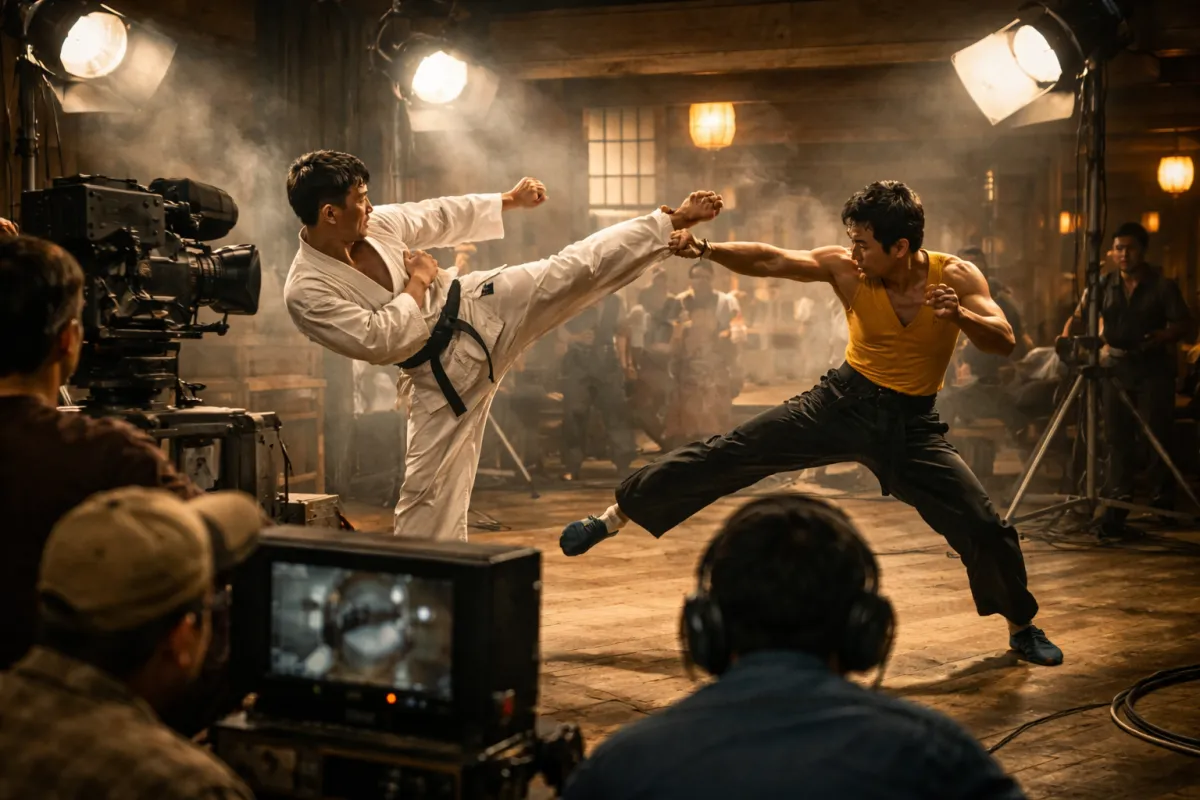
High kicks and acrobatic tricks are among the most visually exciting elements of martial arts cinema. They captivate audiences, create dramatic fight moments, and define the cinematic style of action films.
However, what looks effortless on screen requires years of disciplined martial arts training, precise choreography, flexibility, strength, and strict safety protocols.
This guide explores techniques, legendary cinematic examples, training principles, safety, injuries, and drills, so you can understand- and even begin practicing-high kicks like the pros.
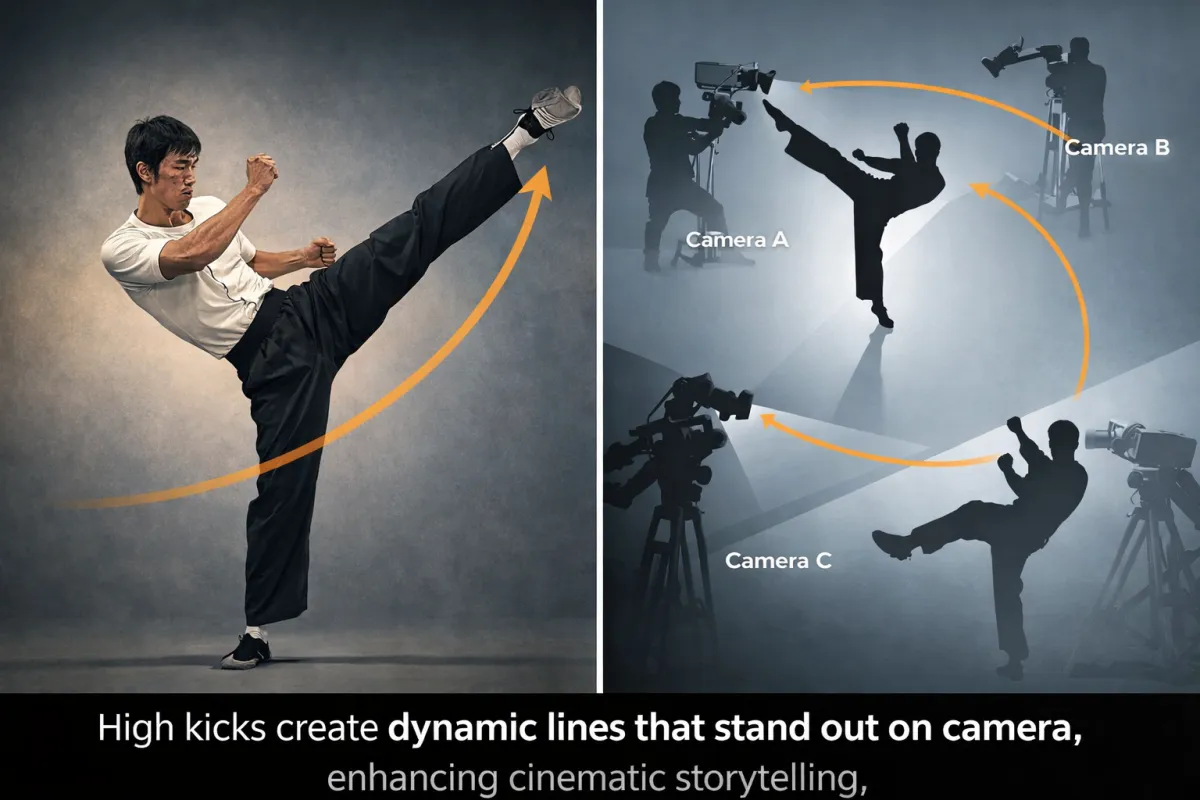
Why High Kicks Work So Well on Camera
High kicks create strong visual lines that the camera captures easily. They are:
Highly visible movements that stand out on screen
Dynamic, allowing filming from multiple angles
Spectacular, giving audiences memorable fight moments
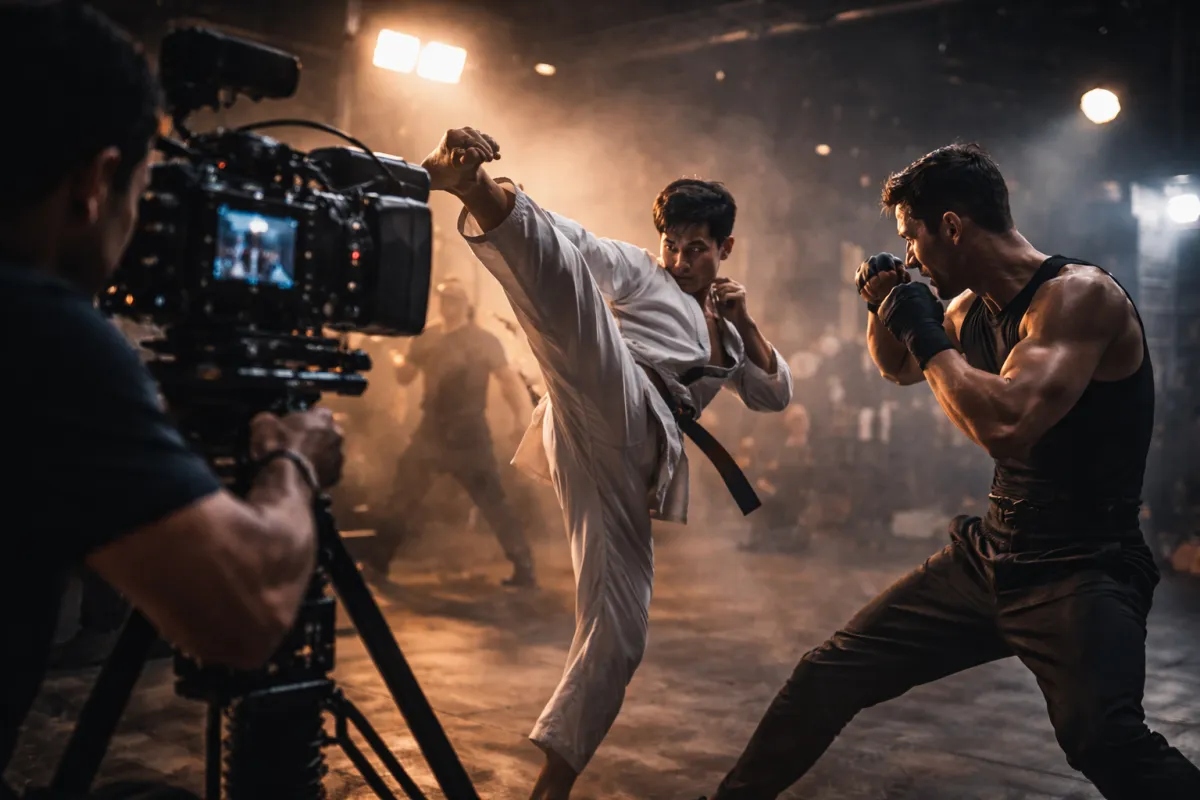
Film directors often choose high kicks because they provide instant drama and motion, whether in slow-motion hero moments or fast-paced sequences. Martial arts stars like Jean-Claude Van Damme, Donnie Yen, and Scott Adkins showcase how kicks can dominate the cinematic frame.
Key High Kick Techniques in Screen Combat
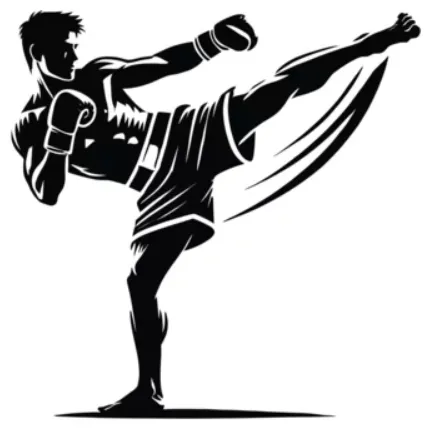
Roundhouse Kick
Offensive Use: Targets body, ribs, or head.
Defensive Use: Can act as a counterattack.
Training Needs: Hip rotation, balance, leg speed, and flexibility.

Spinning Hook Kick
Offensive Application: Finishing strike to the head.
Defensive Application: Counter an advancing opponent.
Training Focus: Rotational balance, spatial awareness, precise timing.
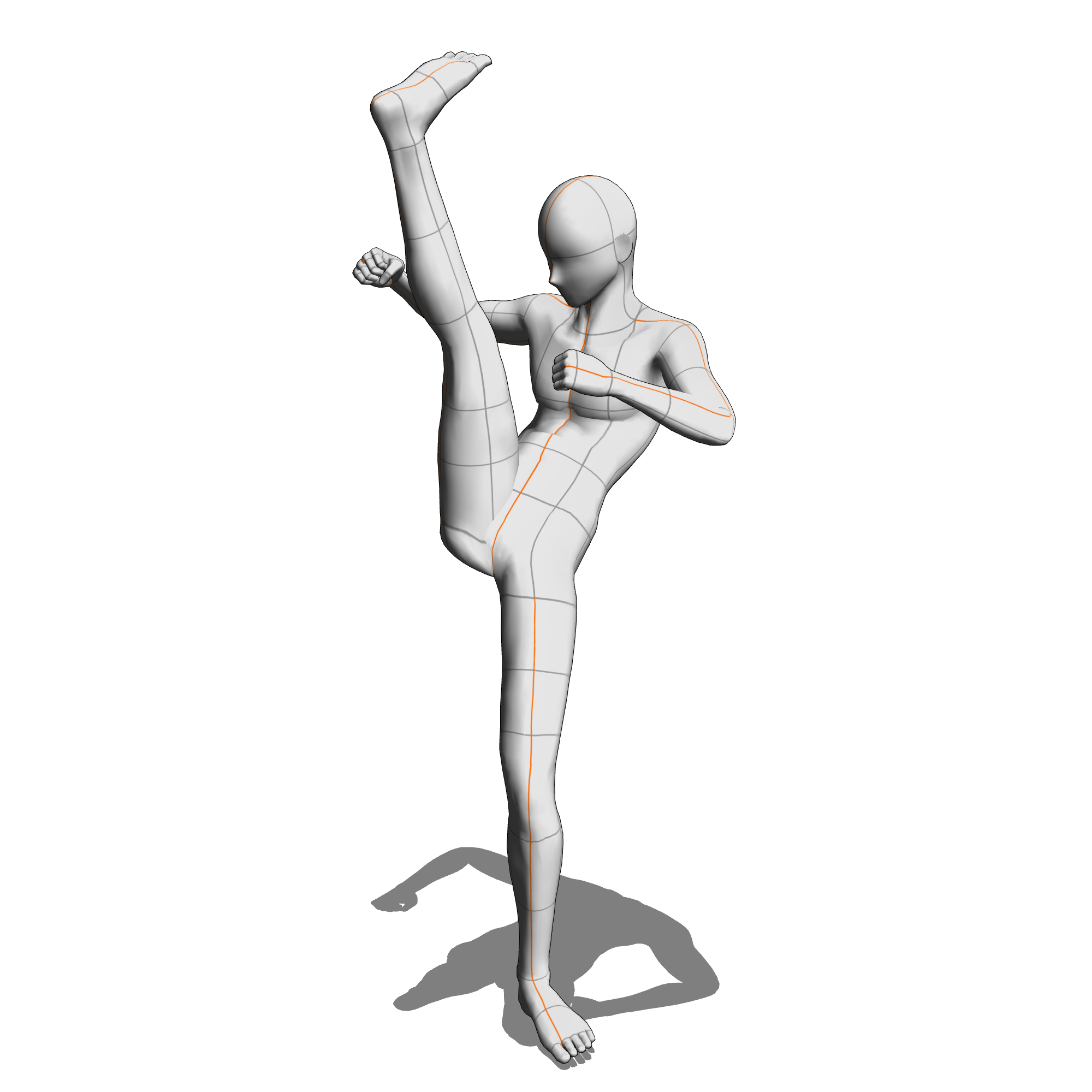
Axe Kick
Vertical motion from high to low for dramatic impact.
Requires hamstring strength, flexibility, and control.
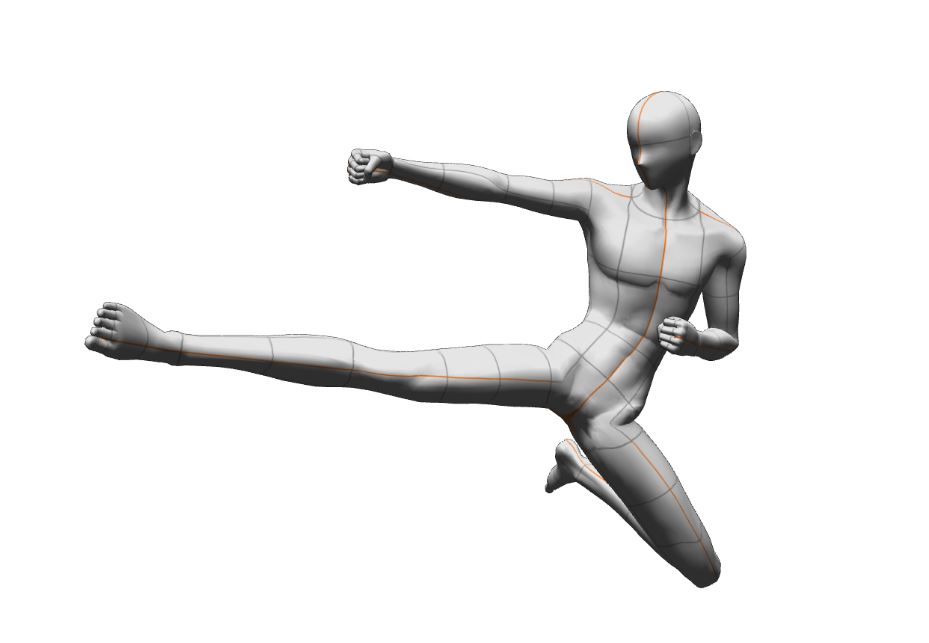
Jumping & Flying Kicks
Flying side kicks, jumping roundhouses, double flying kicks.
Derived from Wushu, emphasizing acrobatics.
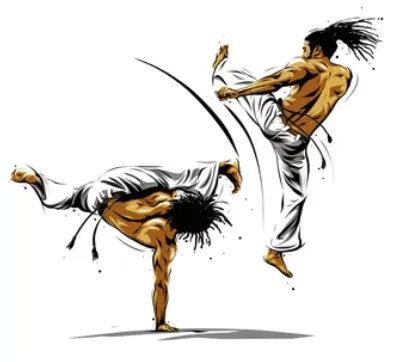
Acrobatic Tricks
Butterfly kicks, aerial spins, cartwheel kicks.
Influenced by Capoeira, adding flair to fight choreography.
Legendary High Kicks in Martial Arts Movie History
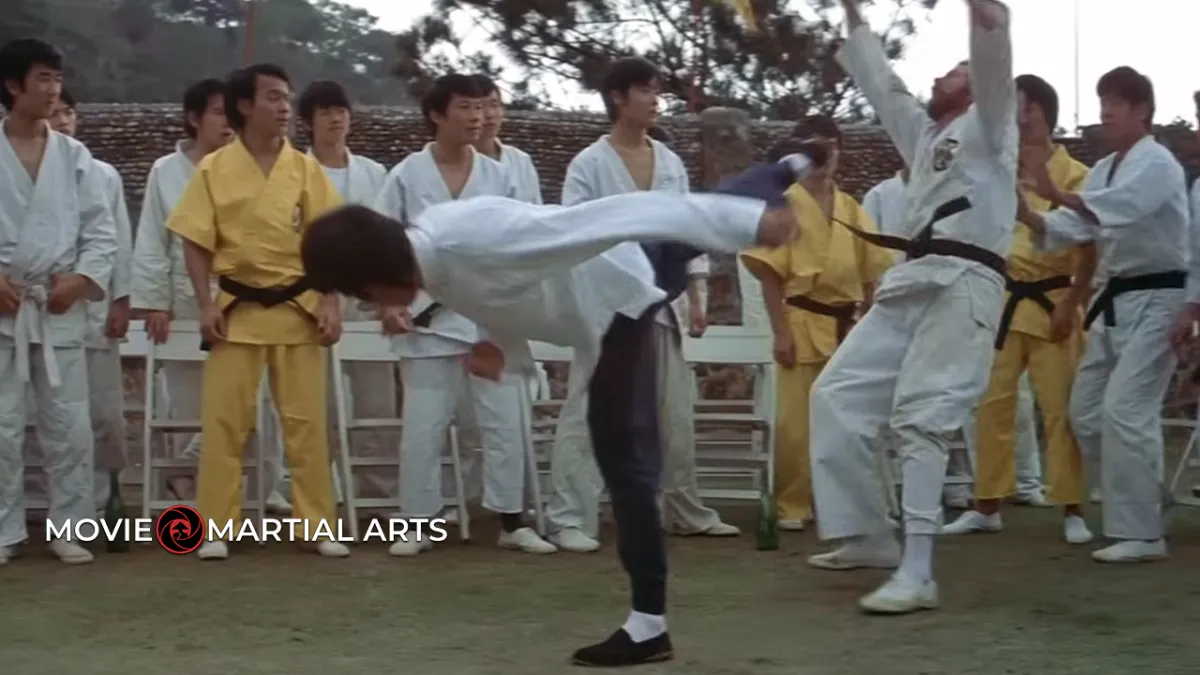
Bruce Lee – Lightning Fast Kicks
Enter the Dragon
Lightning-fast kicks demonstrate speed, precision, and Jeet Kune Do philosophy.
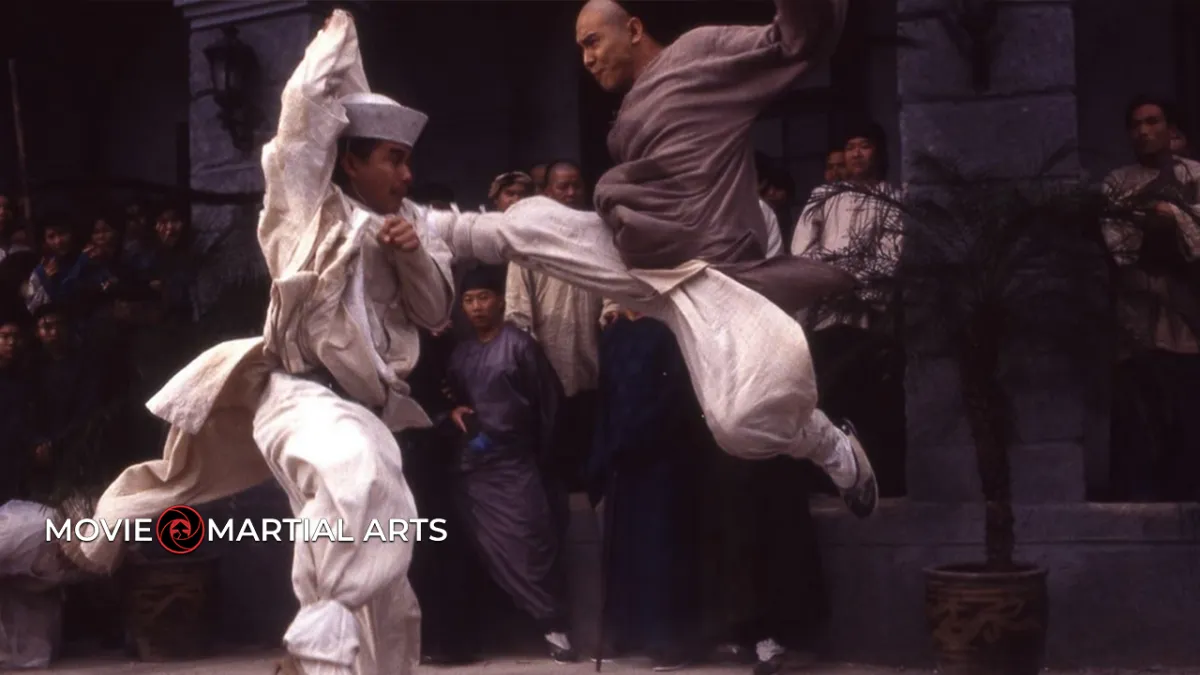
Jet Li – Wushu Precision
Once Upon a Time in China II
Spectacular kicks and aerial techniques showcase elegance and technical mastery.
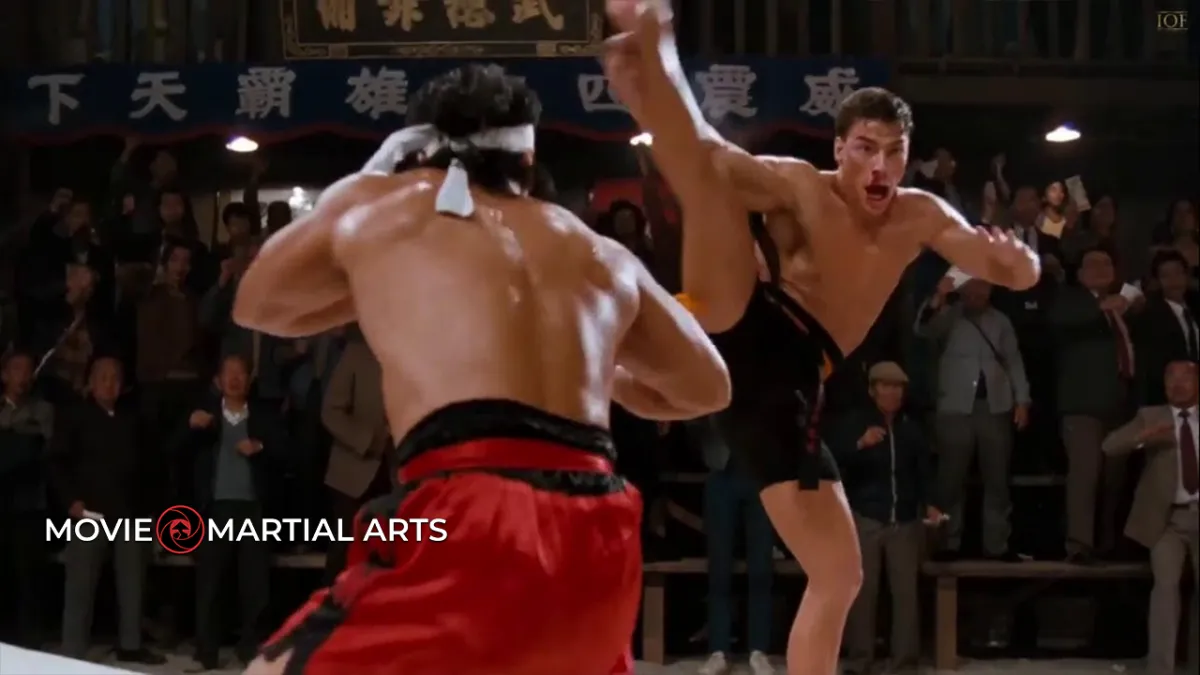
Jean-Claude Van Damme – Spinning Hook Kick
Bloodsport
Explosive flexibility and visual drama from Taekwondo.
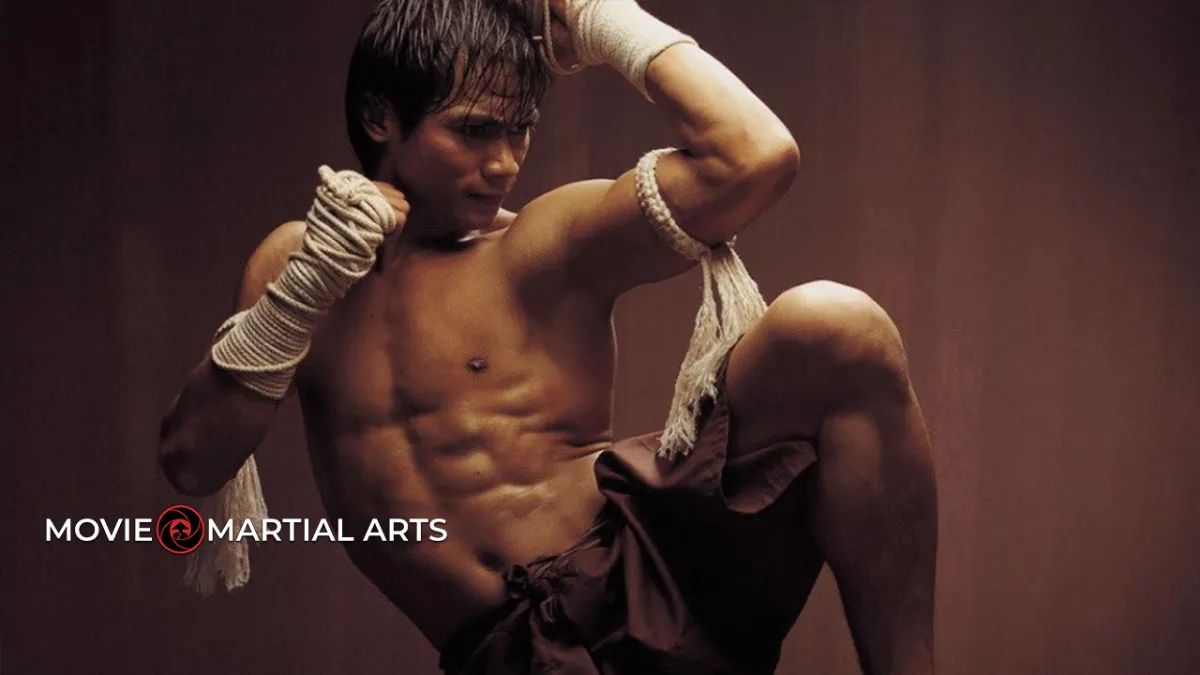
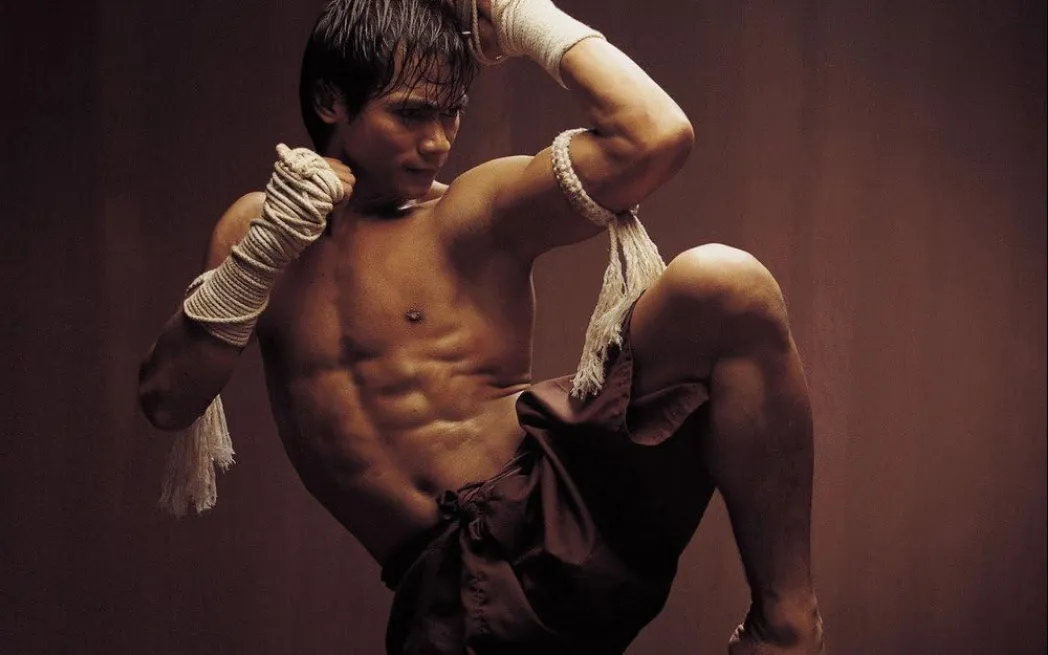
Tony Jaa – Flying Muay Thai Kicks
Ong-Bak
Powerful, acrobatic kicks drawn from Muay Thai.
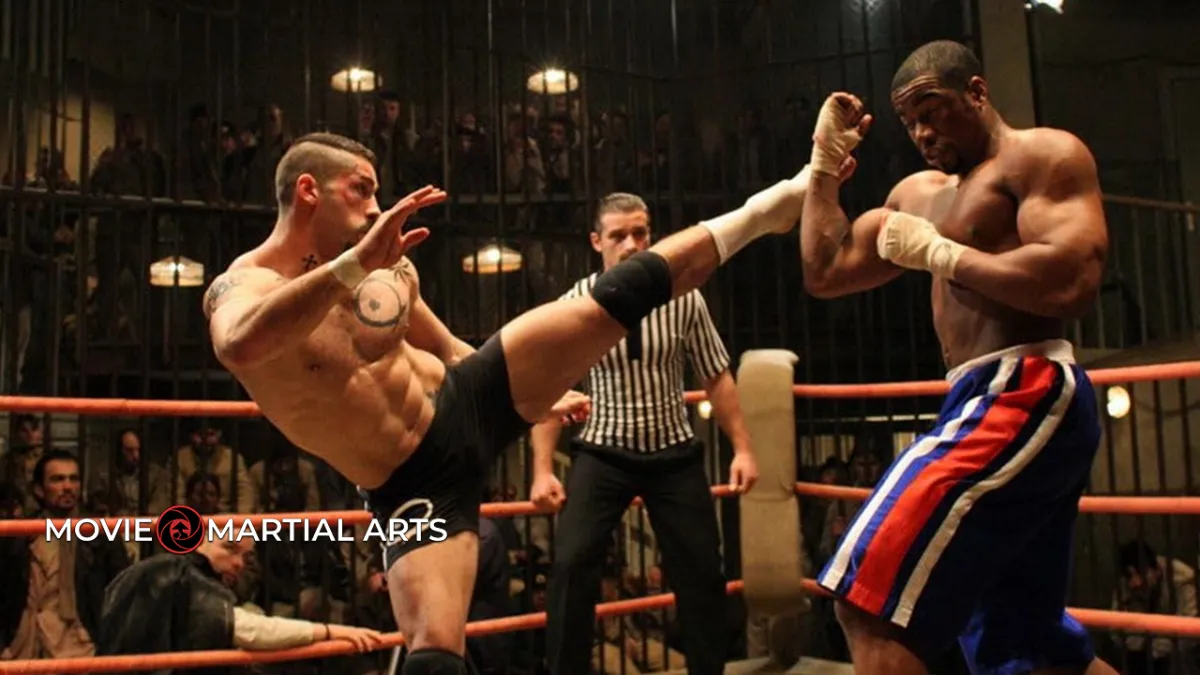
Scott Adkins – Modern Cinematic Kicks
Undisputed II: Last Man Standing
Trick-heavy spinning kicks highlight modern choreography.
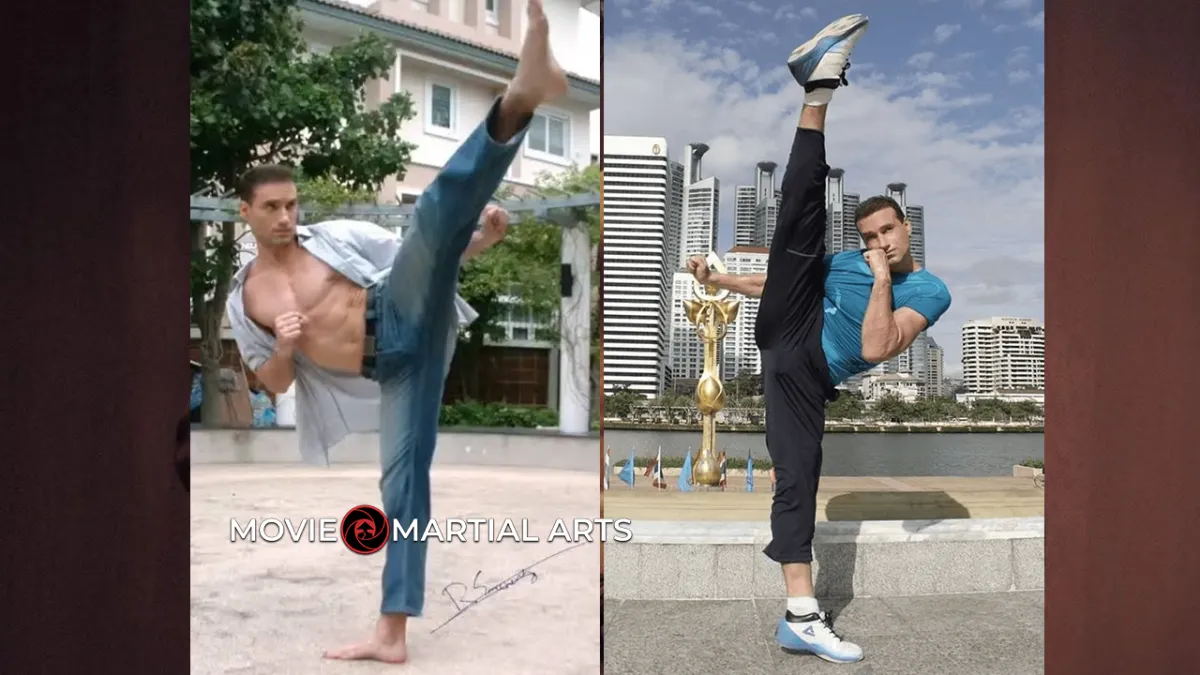
Ron Smoorenburg – Rooftop Action
Who Am I?
Gravity-defying spins and kicks with Jackie Chan, blending traditional martial arts with cinematic flair.
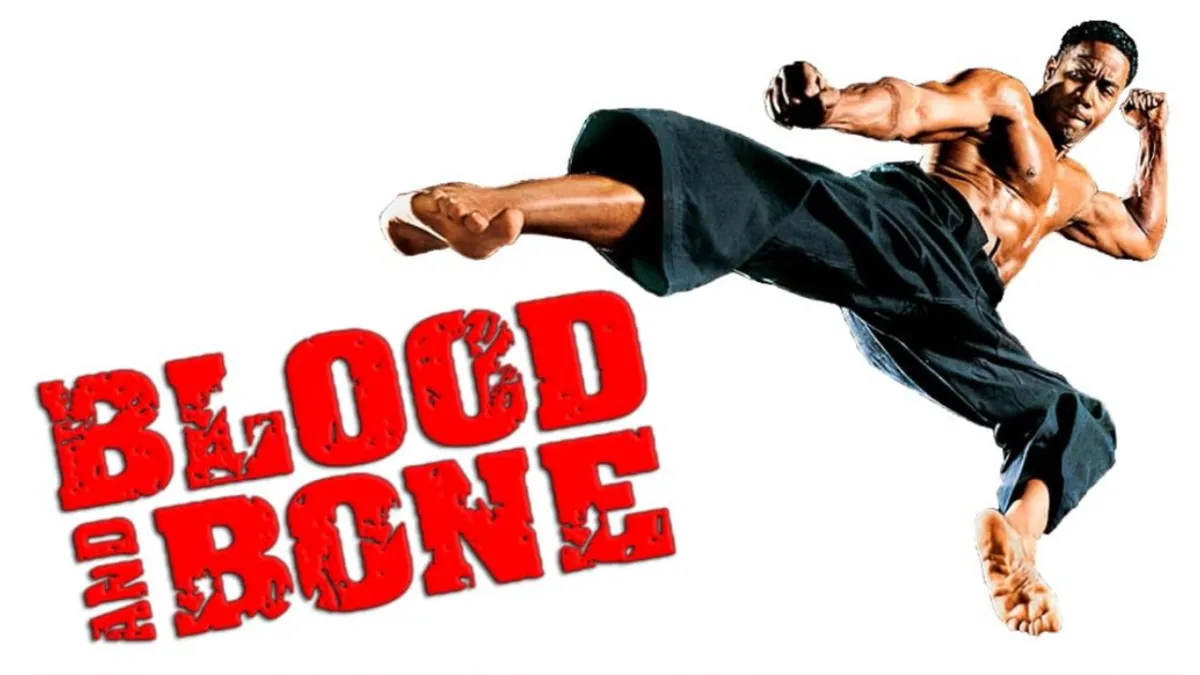
Michael Jai White – Power Meets Precision
Blood & Bone
Combines Shotokan Karate and Taekwondo, delivering high, spinning, and flying kicks with cinematic power.
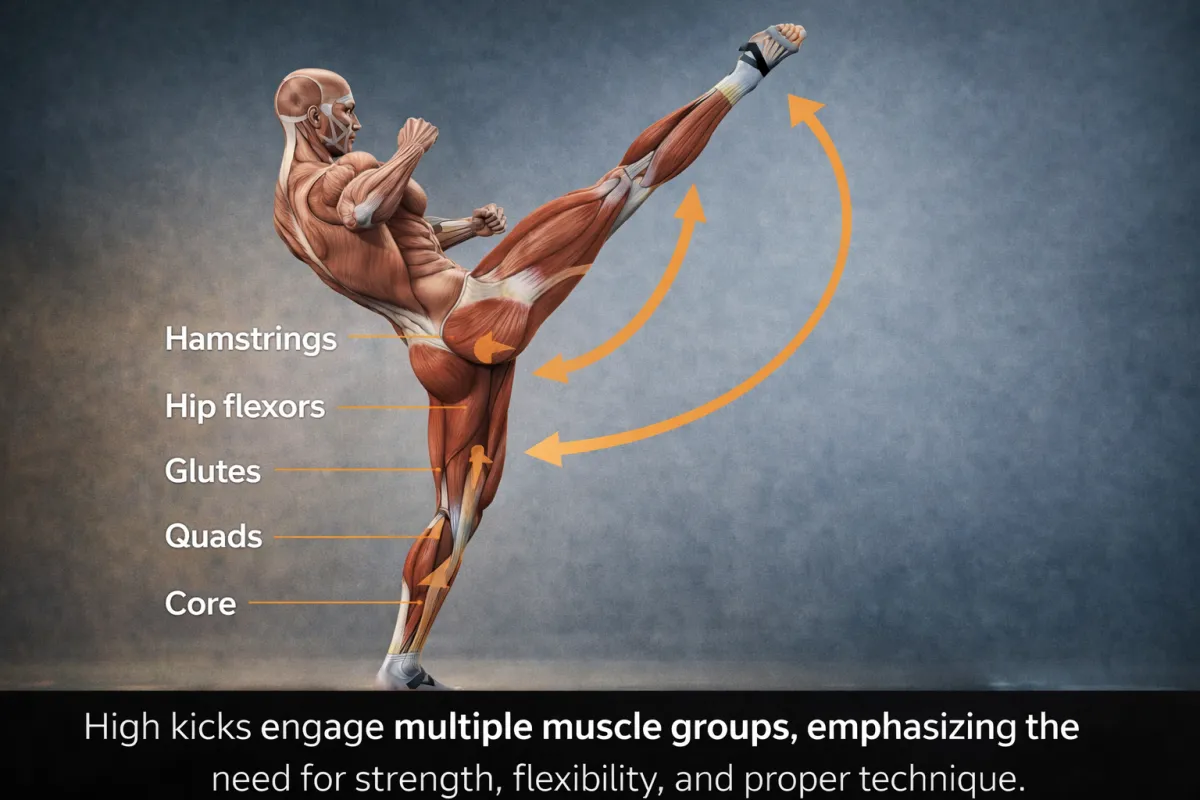
The Biomechanics of Powerful High Kicks
Executing a high kick requires precise coordination:
Primary muscles: Hip flexors, hamstrings, glutes, quadriceps, core, and lower back
Key elements: Height, speed, balance, and control
Training reality: Years of flexibility and strength work to develop safe execution
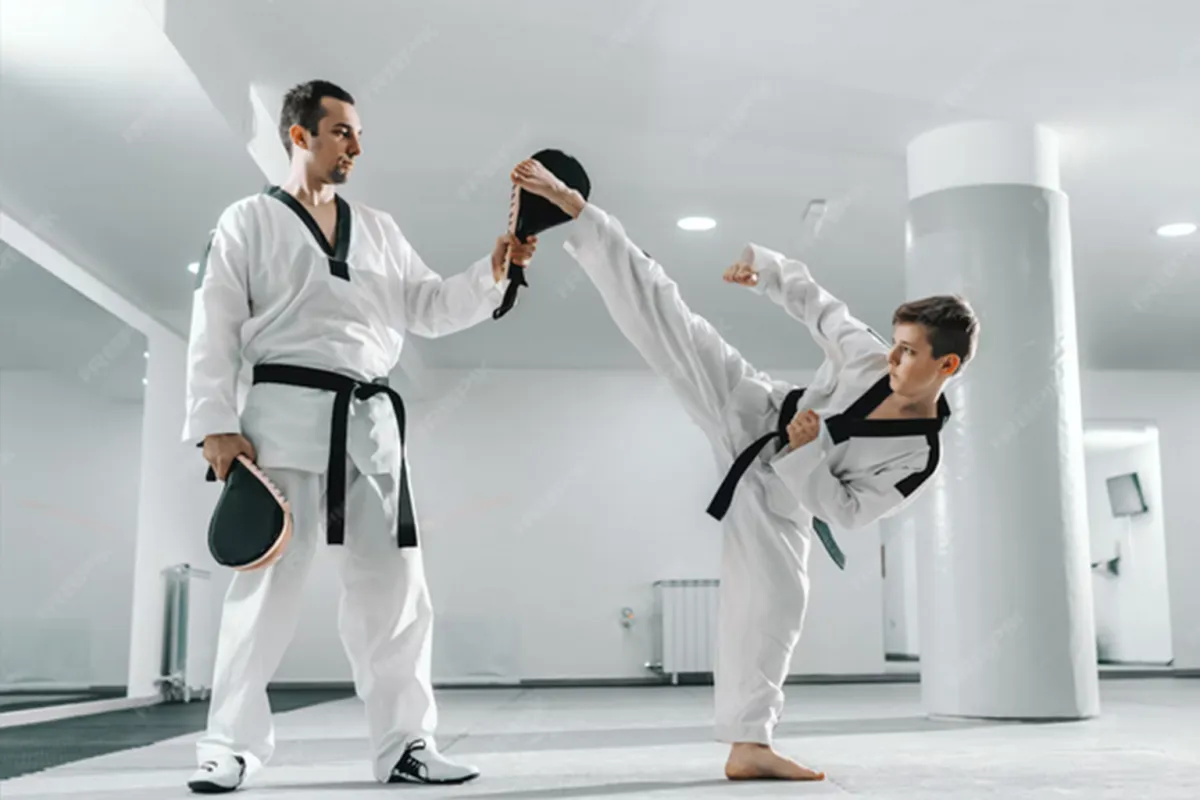
The Reality of Training High Kicks
Beginners often encounter:
Muscle stiffness
Tight hamstrings
Hip flexor soreness
Lower back fatigue
Balance instability
Structured training is essential to prevent injuries.
Stretching: The Foundation
Flexibility training targets:
Hamstrings
Hip flexors
Adductors
Glutes
Lower back
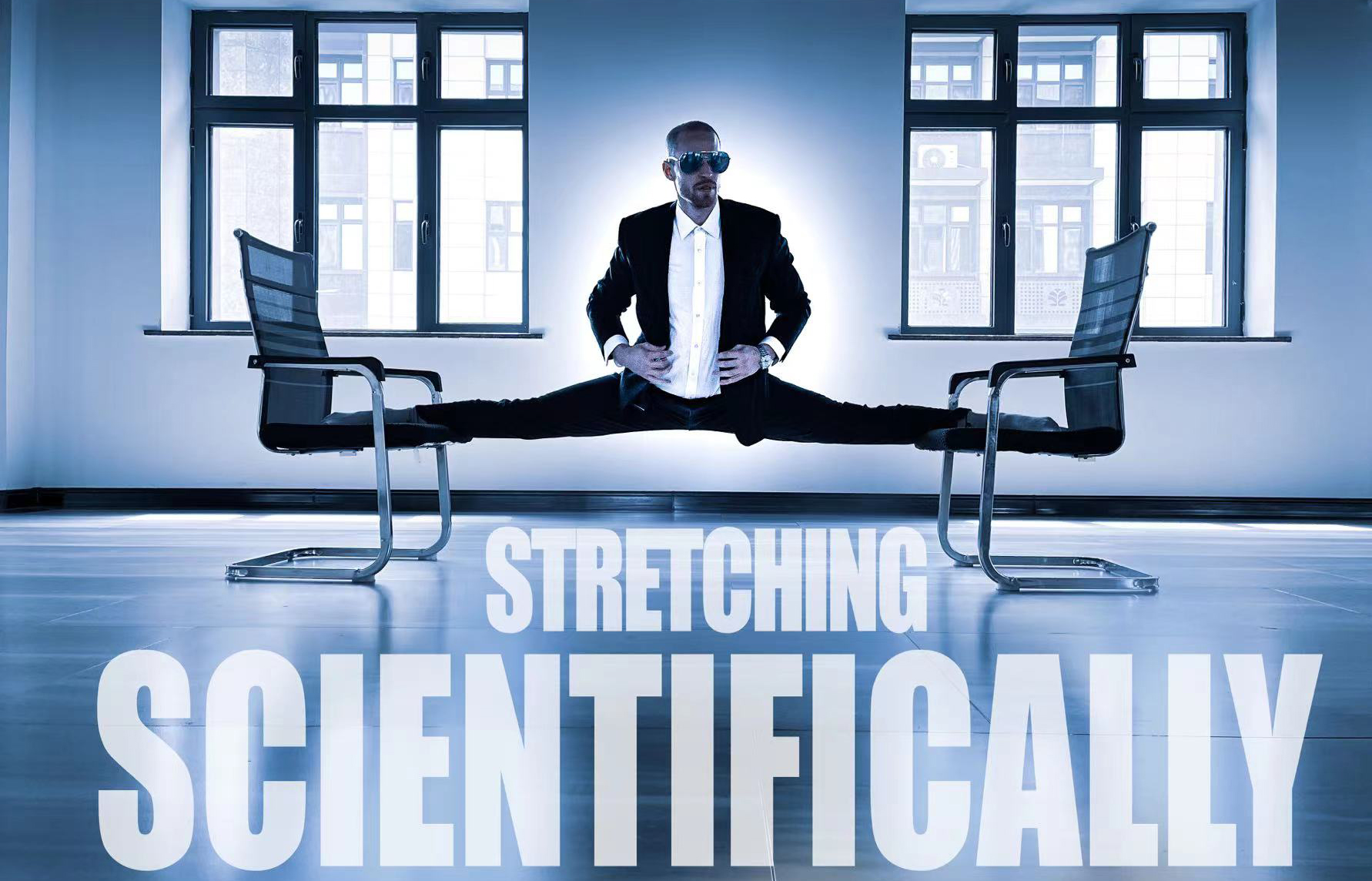
March Newsletter 2026: “Stretching Scientifically” details controlled stretching for safe, effective flexibility.
Dynamic vs. Static Stretching:
Dynamic: Controlled motion to warm up muscles (leg swings, slow kicks).
Static: Held stretches post-training for improved range of motion.
Pain Management: Learn to differentiate productive discomfort from dangerous sharp pain
Common Injuries & Prevention
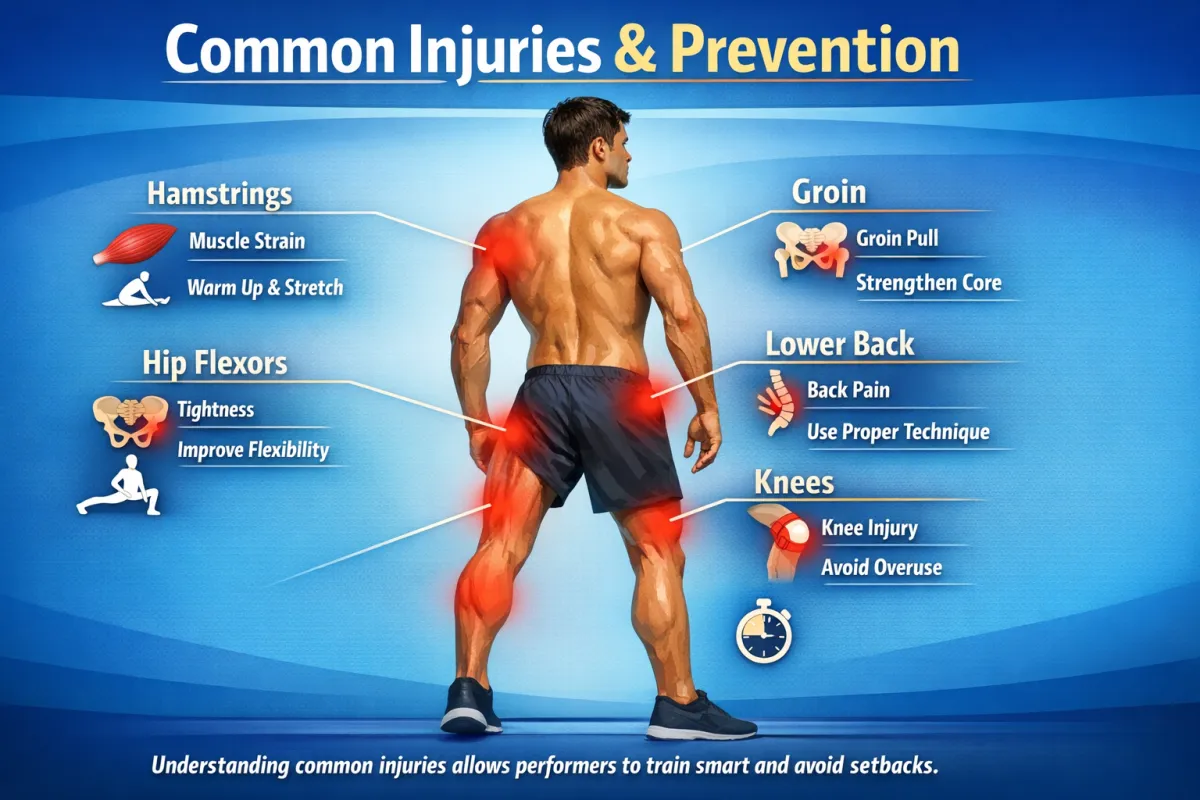
Hamstring Strains
Occur with forced kicks or poor warm-up
Prevent with gradual stretching, warm-ups, and controlled kicks
Hip Flexor Injuries
From over-extension or fatigue
Prevent with core strengthening and controlled drills
Groin Strains
From lateral kicks or inadequate stretching
Prevent with inner-thigh stretches and progressive range
Lower Back Strain
From poor posture or weak core
Prevent with core exercises and upright technique
Knee Stress & Ligament Strain
From twisting supporting leg incorrectly
Prevent with proper pivoting and strengthening
The Role of Smart Training
Professional stunt performers emphasize:
Proper warm-ups
Progressive flexibility and strength training
Controlled repetition
Recovery and injury prevention.
Respecting the Demands of High Kicking
Mastery requires flexibility, strength, balance, technical precision, and intelligent progression. Even top martial artists train consistently to maintain performance safely.
3 High Kick Drills Used by Professional Stunt Performers
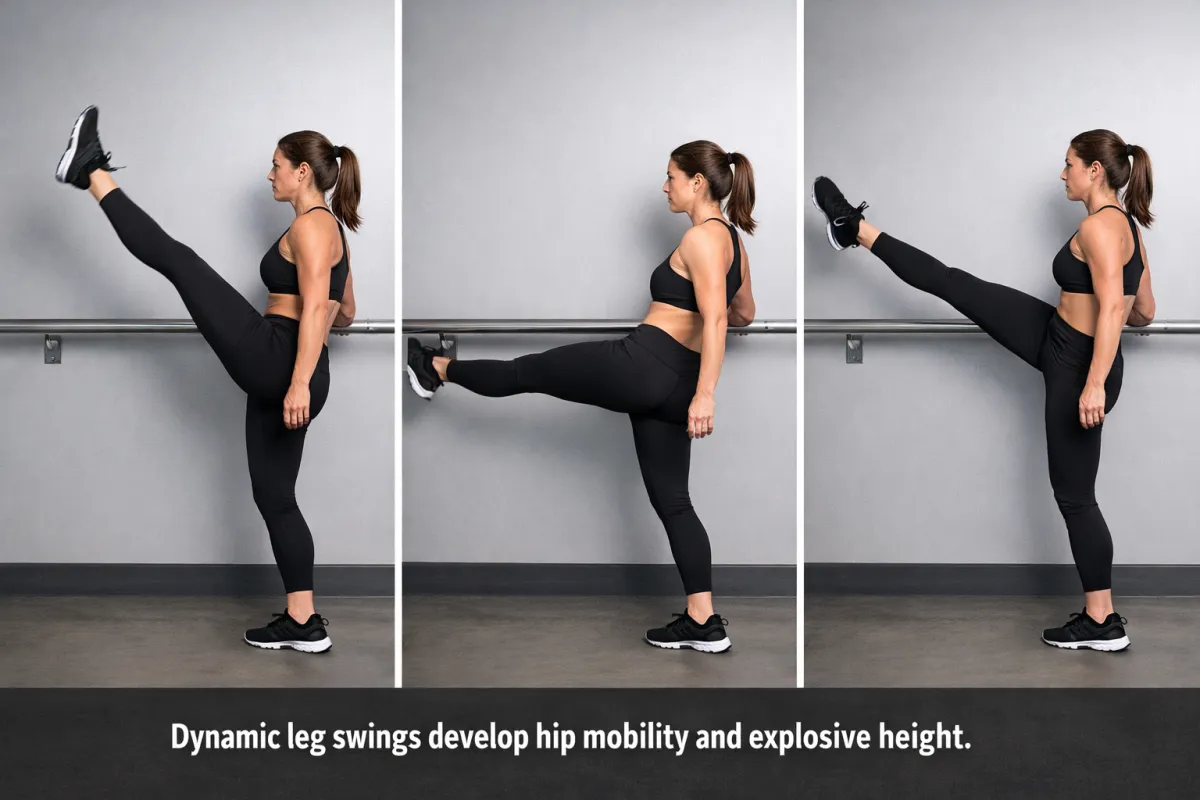
Leg Swing Kicks (Dynamic Flexibility Drill)
Develop hip mobility, explosive height, and smooth motion
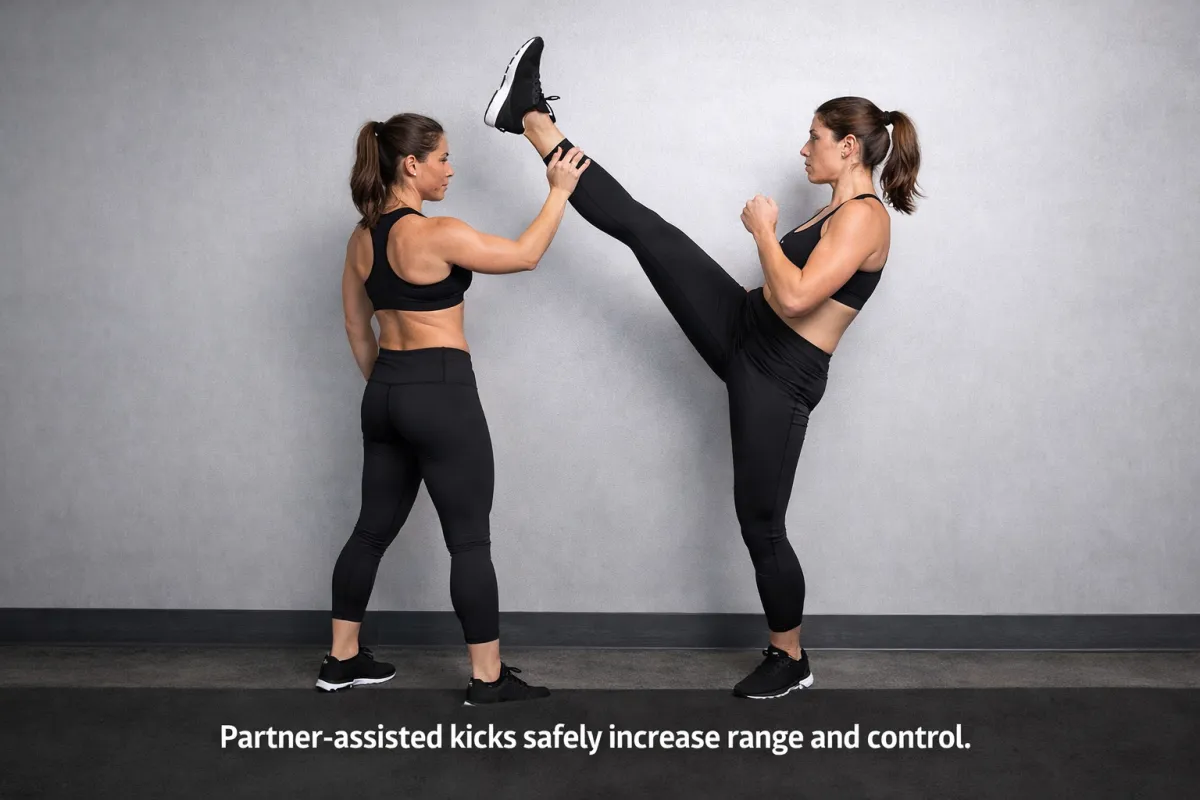
Wall/Partner Assisted High Kicks
Safely extend kicking range while strengthening hamstrings and glutes
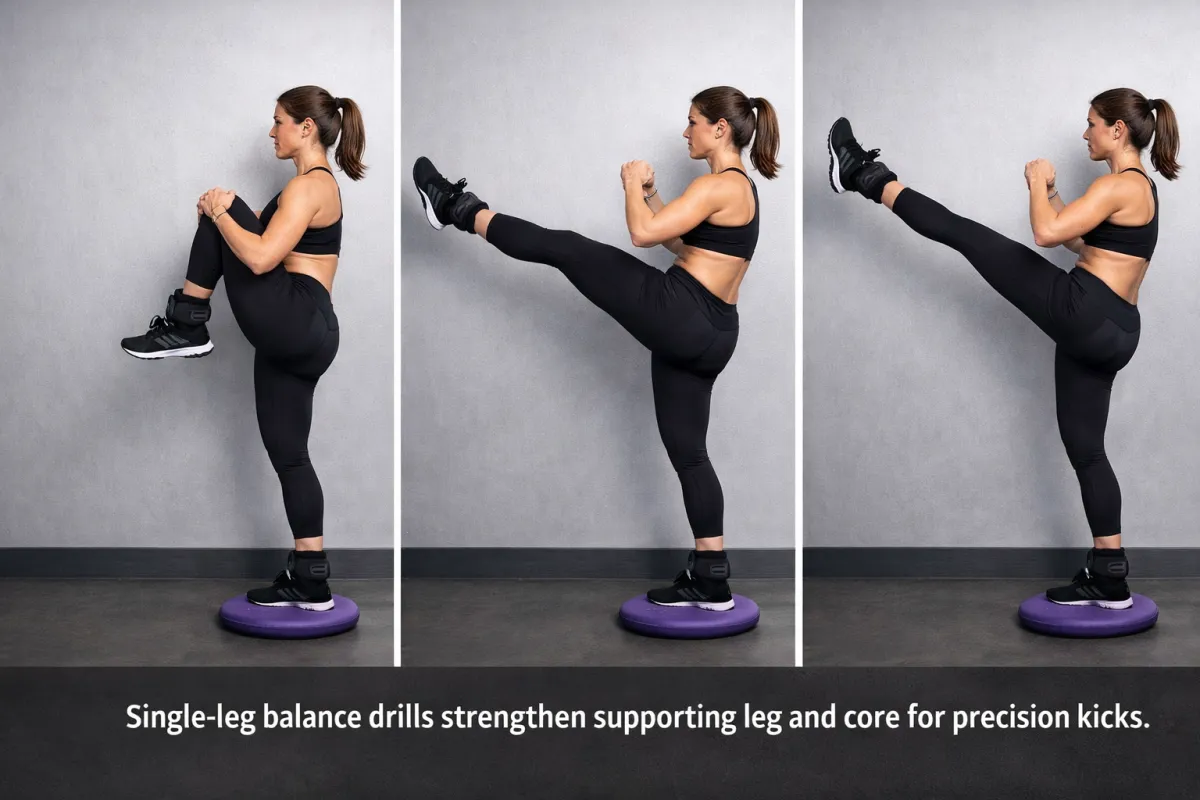
Core + Balance Single-Leg Drill
Strengthens supporting leg and stabilizers for spinning/flying kicks
Safety Reminder for All Drills
Warm-up thoroughly
Never push past sharp pain
Focus on control and proper form
Allow adequate recovery
These measures reduce injury and build long-term performance.
Bringing It All Together
High kicks are more than flashy movie moves - they are a combination of discipline, precision, athleticism, and cinematic artistry.
From Bruce Lee’s lightning strikes to Scott Adkin’s explosive flying kicks, these techniques demonstrate the intersection of martial arts skill, screen storytelling, and physical preparation.
By practicing biomechanics, flexibility, balance, control, and structured drills, martial artists and stunt performers can achieve spectacular, safe, and cinematic kicks.
Screen combat is an art, and mastering high kicks is one of the most visually impactful ways to tell that story.
FAQ
Why are high kicks so popular in martial arts movies?
High kicks are visually impressive and create dramatic moments in action scenes. When performed correctly, they showcase a performer’s flexibility, speed, and control. In cinematic fight choreography, high kicks also help emphasize character skill and athleticism, making them a favorite technique in martial arts films.
Are high kicks practical in real combat?
High kicks can be effective in certain situations, but they require excellent timing, balance, and flexibility. In real combat, fighters must carefully judge distance and positioning. In film choreography, high kicks are often used because they look spectacular on camera while still allowing performers to maintain safe distance.
How do stunt performers train for high kicks?
Professional stunt performers train high kicks through a combination of:
• flexibility training
• strength conditioning
• controlled kicking drills
• balance and core training
Consistent stretching and gradual progression are essential to safely improve kick height and speed.
What injuries can occur when practicing high kicks?
Common injuries related to high kick training include:
• hamstring strains
• hip flexor injuries
• groin strains
• lower back stress
• knee ligament strain
Proper warm-ups, flexibility work, and controlled training significantly reduce injury risk.
How do filmmakers make high kicks look more dramatic on screen?
Directors and stunt coordinators enhance the impact of high kicks through:
• camera angles that highlight the kick’s height
• timing choreography with actor reactions
• slow motion or dynamic editing
• lighting that emphasizes movement
These techniques make the kick appear even more powerful and cinematic.
Which martial artists are famous for their high kicks in film?
Many action stars became known for their spectacular kicking ability, including:
Jean-Claude Van Damme
Scott Adkins
Tony Jaa
Their performances helped popularize high kicks as a signature element of martial arts cinema.
How long does it take to develop high kicks?
Developing strong high kicks typically takes months or years of consistent training. Progress depends on flexibility, strength, technique, and regular practice. Martial artists usually begin with basic kicks and gradually improve height and control through stretching and conditioning exercises.

Are You Ready to Take Your Career to the Next Level?
Join Movie Martial Arts
Get access to exclusive training, tutorials, and resources that will transform your career.
CONTINUE LEARNING
If you’re eager to learn more about martial arts training for film, check out these related INSIGHTS articles:
Wirework & Aerial Techniques for Cinematic Action – Discover the art of using wirework and aerial stunts to create dynamic fight sequences.
The Evolution of Martial Arts: From Ancient Combat to Modern Cinema – Trace the history of martial arts and how it’s evolved in cinema over time.
High Kicks & Tricks for Screen Combat – Learn about the techniques and choreography behind high-flying kicks and stunts in film.
Martial Arts Training and Techniques: The Ultimate Guide for Beginners and Beyond – A complete guide to the essential martial arts techniques for film.
The Art of Cinematic Martial Arts – Understand how choreography, camera work, and performance combine to create stunning martial arts scenes.
How to Become a Stunt Performer in Film and Television – Your step-by-step guide to starting your career as a stunt performer in film and TV.