1 June 2026 MOVIE MARTIAL ARTS
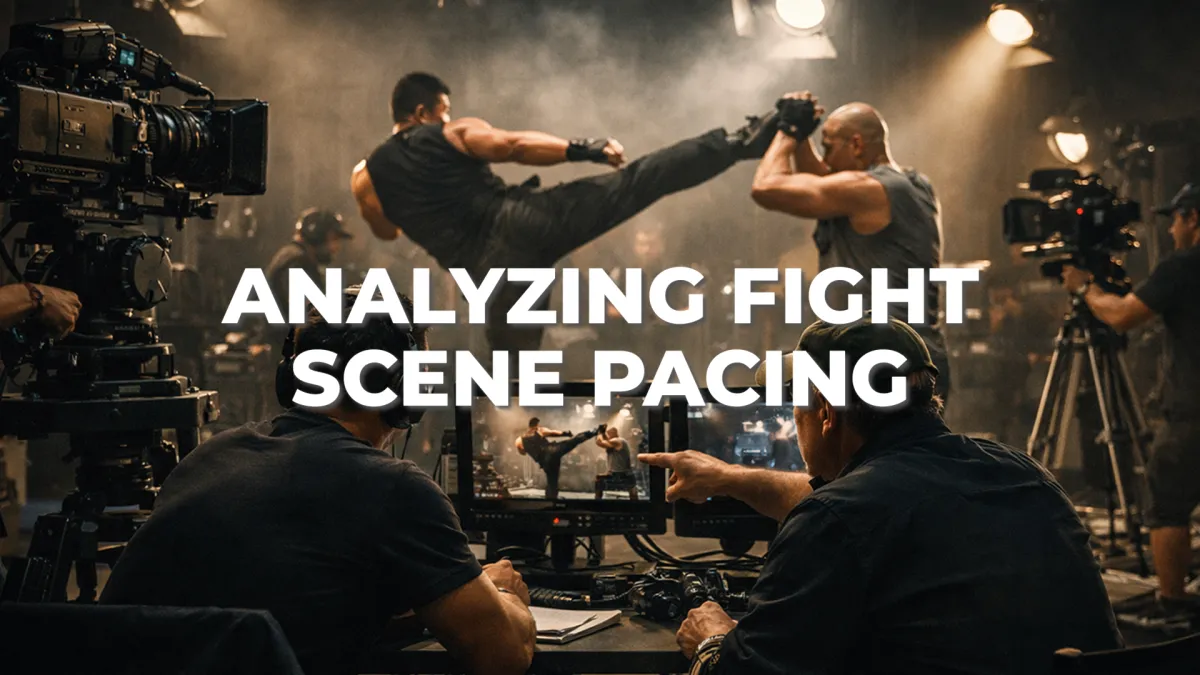
Analyzing Fight Scene Pacing
How Fight Scene Pacing Creates Powerful Action Sequences
Introduction – The Art Behind Film Fights
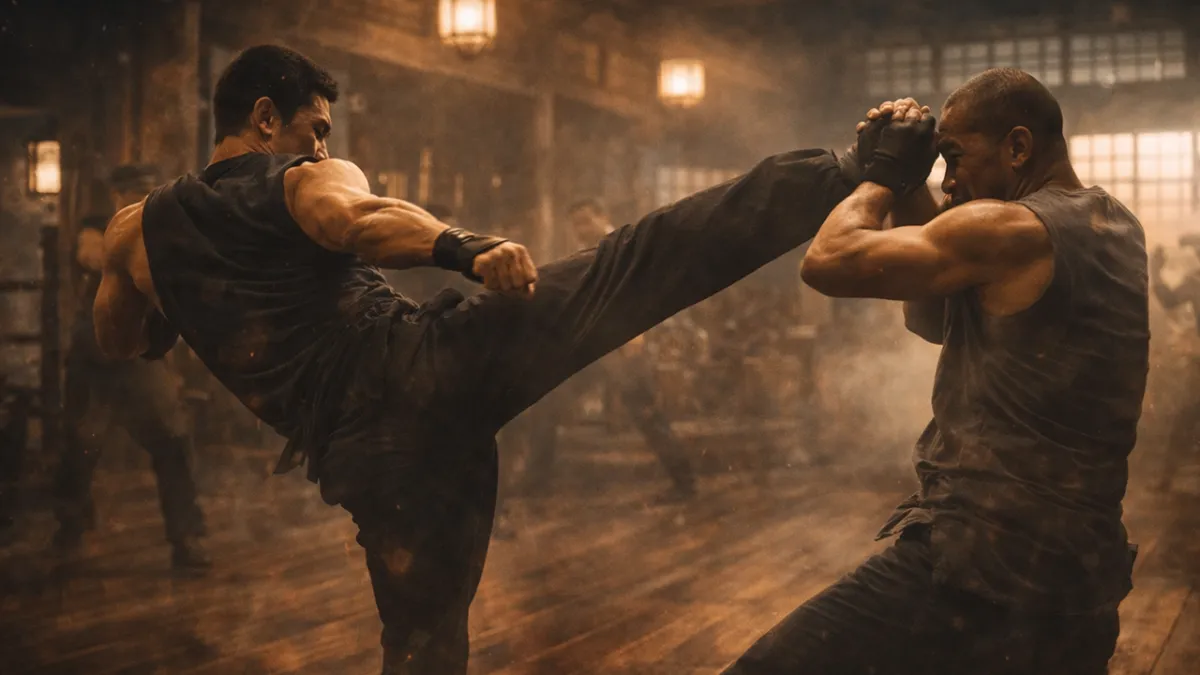
Fight scenes are among the most exciting moments in cinema. From martial arts duels to large-scale action sequences, audiences expect intensity, drama, and believable movement.
But behind every memorable fight scene is something many viewers rarely notice: pacing.
Fight scene pacing determines how tension builds, when the action explodes, and when the audience has time to breathe. When pacing is handled well, a fight feels dynamic and engaging. When pacing is poor, even technically impressive choreography can feel confusing or exhausting to watch.
Understanding pacing is an essential skill for martial artists, actors, stunt performers, and fight choreographers working in film.
What Is Fight Scene Pacing?
Pacing refers to the rhythm and flow of action within a scene. It controls how quickly events unfold and how moments of movement and stillness are balanced.
In cinematic fight choreography, pacing is shaped by several elements:
Choreography timing
Camera movement
Editing rhythm
Actor performance
Emotional storytelling
The goal is not simply to create constant action. Instead, effective pacing guides the audience through the fight so that every movement feels meaningful and clear.
Why Pacing Matters in Film Fight Scenes
Real combat is often chaotic and unpredictable. Cinematic fights, however, must balance realism, clarity, and storytelling.
Good pacing helps achieve several important goals:
1. Maintaining Audience Engagement
If a fight moves too quickly, viewers struggle to follow the action. If it moves too slowly, the tension disappears.
Professional filmmakers carefully adjust pacing to keep the audience emotionally invested throughout the scene.
2. Highlighting Key Moments
The most memorable fight scenes often contain moments where the action briefly slows down.
These pauses allow the audience to focus on:
a dramatic strike
a character reaction
a turning point in the fight
By controlling pacing, filmmakers ensure that these moments stand out.
3. Supporting Character Storytelling
A well-paced fight reveals something about the characters involved.
For example:
A calm, controlled fighter may move with measured precision.
A desperate character may fight faster and more aggressively.
A skilled martial artist may create deliberate pauses to observe their opponent.
In this way, pacing becomes part of the narrative, not just the action.
The Rhythm of a Great Fight Scene
Many successful fight sequences follow a recognizable rhythm.
Phase 1: Establishment
The scene introduces the environment, characters, and stakes. Movement is often slower at this stage, allowing the audience to understand the setting and anticipate the conflict.
Phase 2: Escalation
The action begins to accelerate. Fighters exchange techniques, momentum shifts, and tension builds.
Camera movement and editing may become faster during this stage.
Phase 3: Turning Point
Most fight scenes include a critical moment where the balance changes.
This could be:
a powerful strike
a mistake by one character
a sudden change in strategy
The pacing often slows briefly here to emphasize the importance of the moment.
Phase 4: Resolution
The fight concludes, either through victory, escape, or interruption. The pacing typically slows again to allow the audience to process the outcome.
The Role of Martial Artists in Fight Scene Pacing
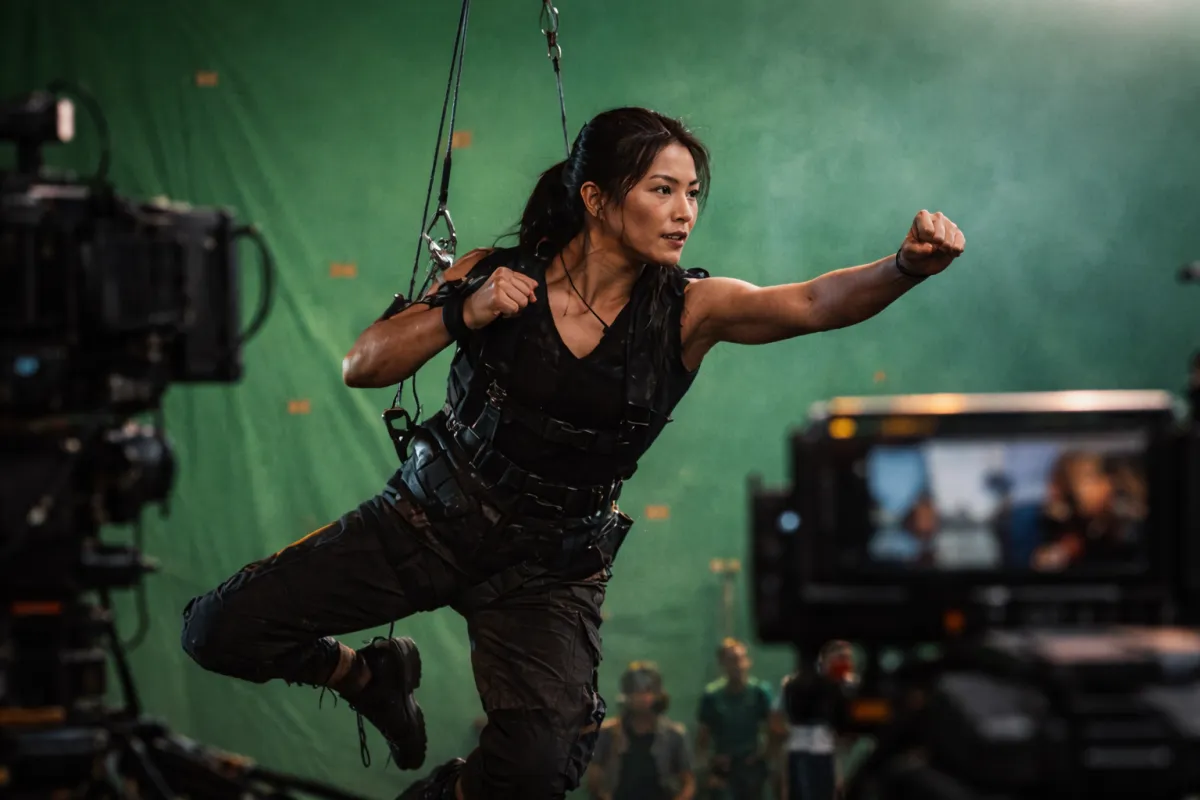
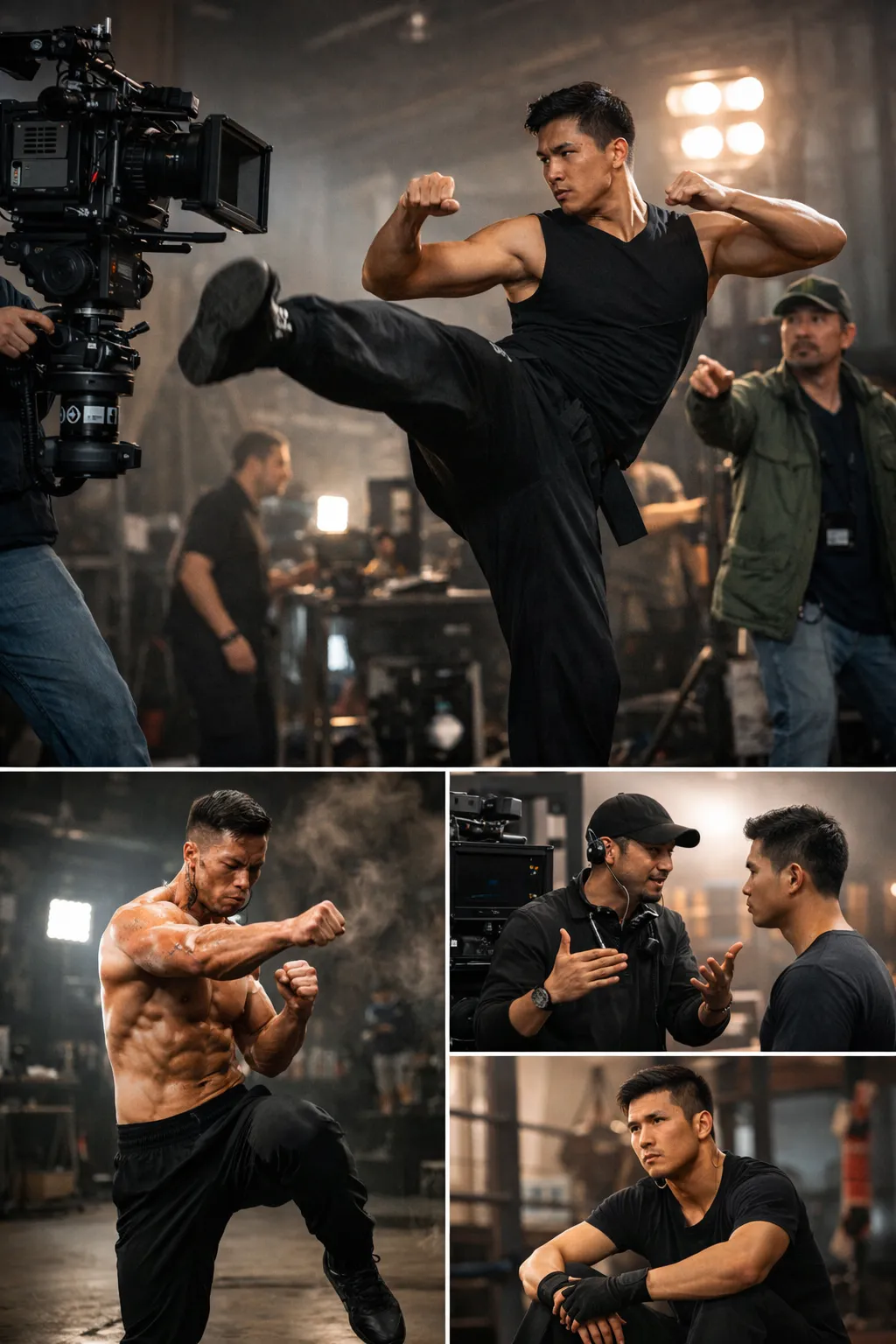
Martial artists performing for film play a key role in maintaining the rhythm of a fight scene.
Unlike real combat, film choreography requires performers to:
control speed and distance precisely
adjust timing for camera angles
pause or exaggerate movements for visual clarity
These adjustments ensure that the action looks dramatic while remaining safe and believable.
Experienced stunt performers understand that sometimes slowing a movement slightly can make it appear faster and more powerful on screen.
How Editing Influences Pacing
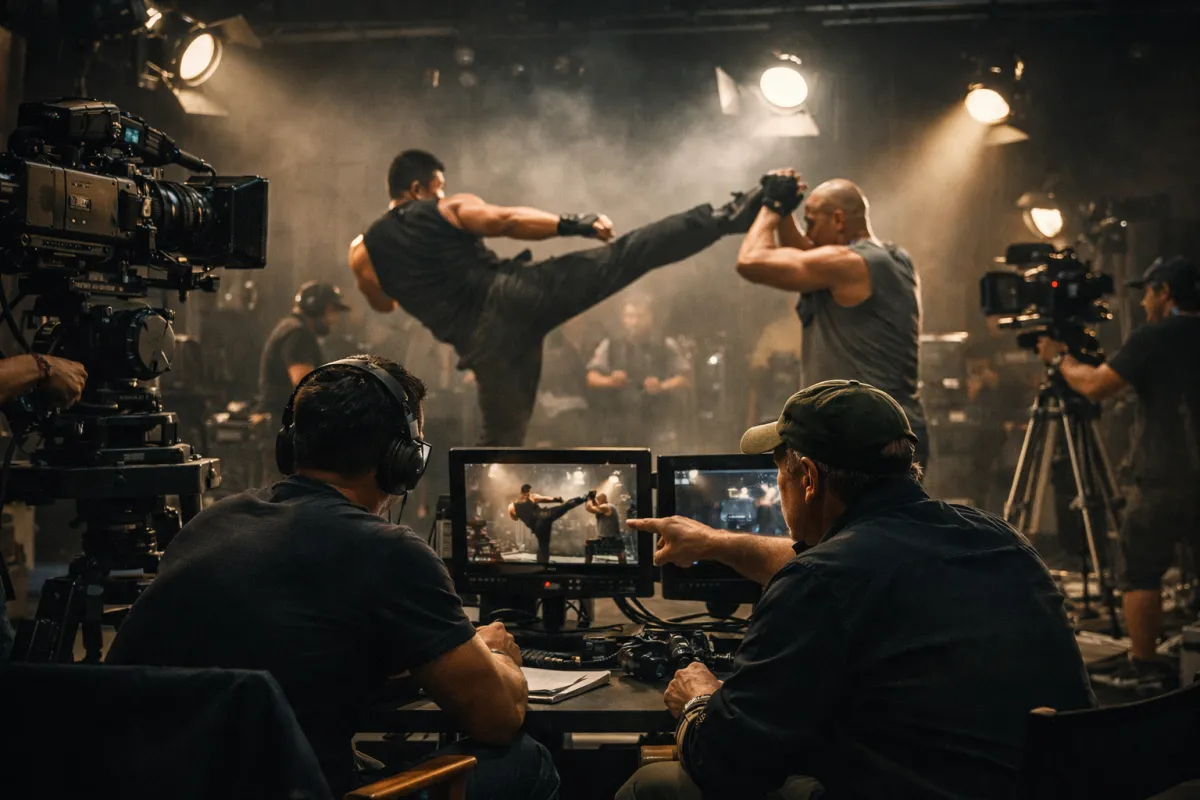
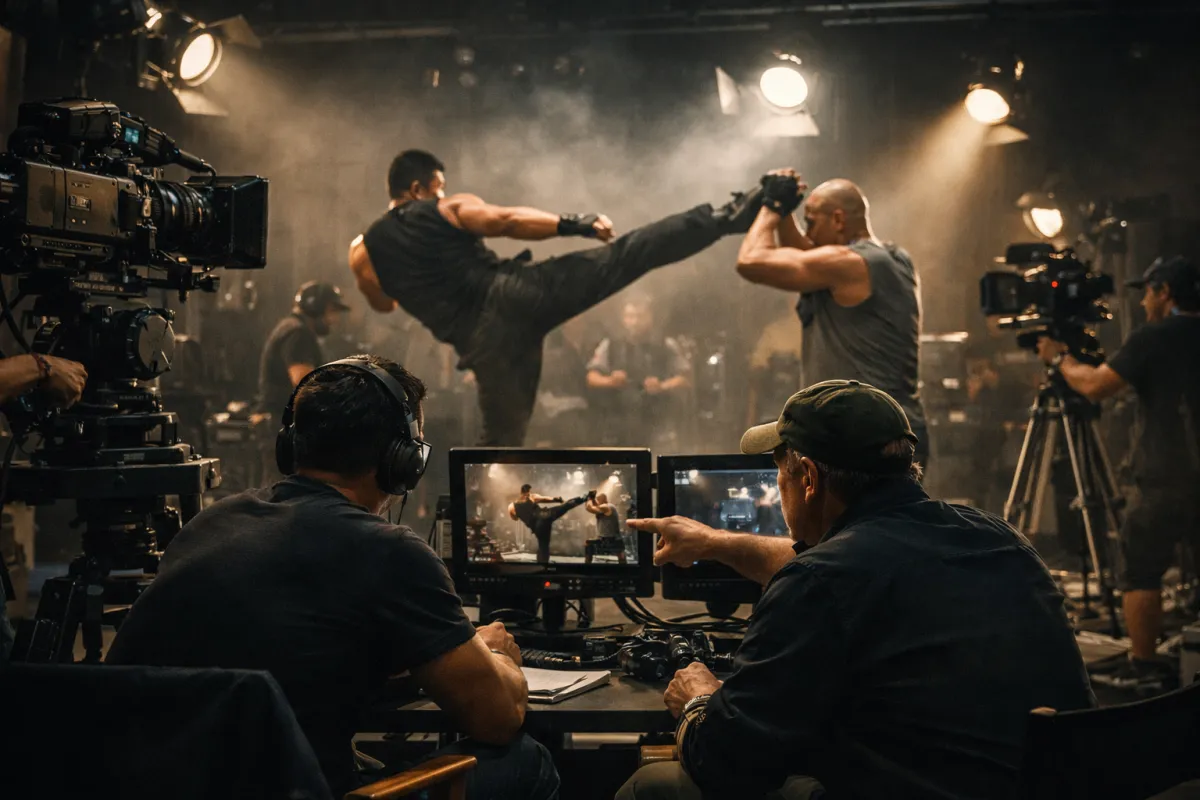
Editing is one of the most powerful tools used to shape fight scene pacing.
Editors control how long each shot appears on screen and how quickly the camera moves between angles.
Common editing techniques include:
Quick cuts to increase intensity
Longer shots to showcase complex choreography
Reaction shots to emphasize character emotion
The best fight scenes combine these techniques to create a rhythm that feels natural and exciting.
Learning From Great Fight Scenes
For martial artists interested in working in film, studying fight scene pacing can be incredibly valuable.
When watching action films, try to observe:
how long each shot lasts
when the action speeds up or slows down
how pauses are used to highlight key moments
This type of analysis helps performers understand how choreography, camera work, and editing combine to create cinematic action.
FAQ
What is fight scene pacing in action films?
Fight scene pacing refers to the rhythm and timing of action within a fight sequence. It determines how quickly techniques are delivered, how long exchanges last, and when moments of tension or pause occur.
Effective pacing helps audiences clearly follow the choreography while maintaining excitement and dramatic tension.
Why is pacing important in martial arts fight scenes?
Good pacing allows viewers to understand what is happening during the fight while still feeling the intensity of the action.
If a fight is too fast, the audience may struggle to follow the techniques. If it is too slow, the scene may lose energy and realism.
Many legendary action sequences featuring performers like Bruce Lee are remembered for their perfect balance of speed, clarity, and rhythm.
How do stunt coordinators control fight scene pacing?
Stunt coordinators manage pacing through several elements:
• choreography timing
• camera angles
• editing rhythm
• performer movement speed
• strategic pauses between exchanges
These factors work together to ensure the audience can follow the action while maintaining dramatic intensity.
How does editing affect fight scene pacing?
Editing plays a major role in pacing. Quick cuts can create intensity, while longer shots allow the audience to appreciate the performers’ skill and choreography.
Modern action films often combine rapid editing with occasional wide shots to maintain clarity during complex fight sequences.
What role does martial arts training play in pacing?
Well-trained martial artists understand how to control their speed, timing, and distance. This allows them to perform choreography safely while maintaining realistic combat rhythm.
Many professional stunt performers spend years developing these skills before appearing in film productions.
What makes a fight scene feel exciting rather than chaotic?
A great fight scene follows a structured rhythm, similar to music or dance choreography.
The best action sequences often include:
• bursts of fast exchanges
• brief pauses for tension
• dramatic finishing techniques
Final Thoughts
Fight scenes are far more than a collection of impressive techniques. They are carefully designed sequences where movement, performance, and storytelling work together.
Pacing is what transforms a series of strikes and reactions into a compelling cinematic experience.
For martial artists entering the world of film and stunt performance, understanding fight scene pacing is an important step toward delivering action that looks powerful, controlled, and engaging on screen.

"Dive into the world of martial arts in film with exclusive insights, interviews, and behind-the-scenes discussions."

Join our Newsletter to stay up to date on the latest from
the world of martial arts in film, including:
Exclusive insights into the craft of film combat.
Behind-the-scenes stories from industry professionals.
Updates on upcoming podcasts and featured articles.

Are You Ready to Take Your Career to the Next Level?
Join Movie Martial Arts
Get access to exclusive training, tutorials, and resources that will transform your career.
CONTINUE LEARNING
If you want to break down iconic martial arts fight scenes, check out these related INSIGHTS articles:
Breakdown of Iconic Film Fight Scene – See how professional choreography creates some of the most memorable fight scenes.
How Movie Fight Scenes Are Created: A Complete Guide to Cinematic Action – Explore the entire process of creating cinematic fight sequences from choreography to camera angles.
Analyzing Fight Scene Pacing – Learn how pacing affects the energy and emotional impact of a fight scene.
Camera Angles in Fight Scenes – Understand how different camera angles enhance the dynamics of martial arts choreography.
The Role of Reaction Shots in Action Sequences – Discover how reaction shots build emotional depth and suspense in fight scenes
How to Become a Stunt Performer in Film and Television – Learn the necessary steps to break into stunt performing in the film and TV industry.