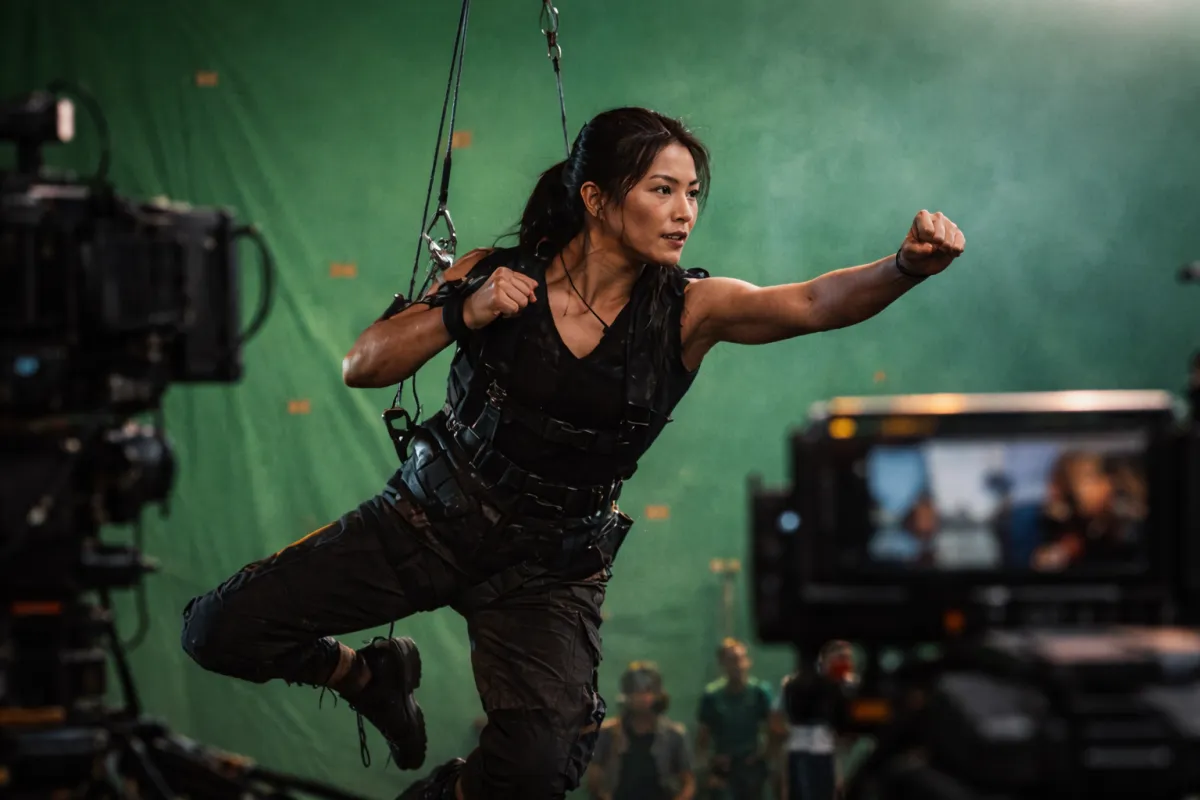
1 June 2026 MOVIE MARTIAL ARTS
How Movie Fight Scenes Are Created: A Complete Guide to Cinematic Action
Fight scenes are some of the most thrilling moments in film - a perfect blend of skill, timing, and storytelling.
But cinematic action is never accidental. Every strike, movement, and reaction is carefully choreographed to create visual impact, safety, and drama.
This guide introduces the key elements behind memorable fight sequences, showing martial artists, actors, and stunt performers how to turn technique into cinematic storytelling.
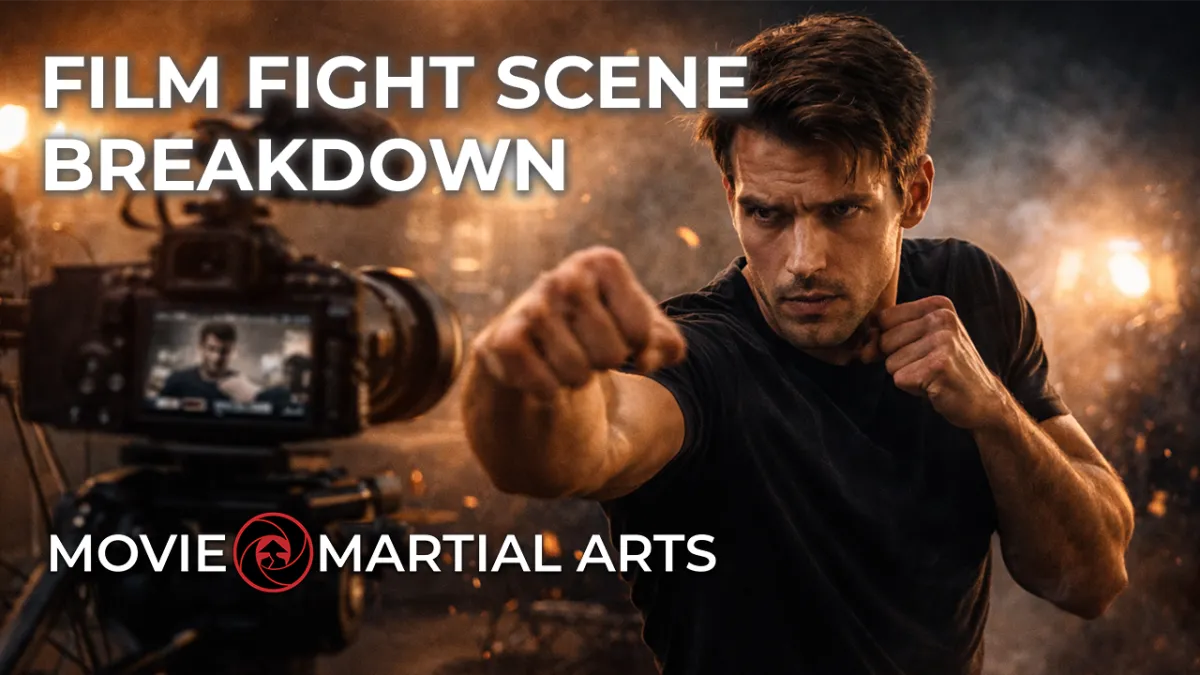
From choreography and camera angles to pacing and performance, discover how filmmakers turn martial arts into unforgettable cinematic action. Explore our full series to level up your skills on screen.
Fight Choreography - The Foundation of Cinematic Action
Every film fight begins with choreography. Like a carefully planned dance, each strike, kick, and movement is designed to look powerful on camera while keeping performers safe.
Professional choreographers focus on:
Creating clear, readable action for the camera
Maintaining safe distances between performers
Ensuring performers can execute movements consistently
Supporting the story and characters
When choreography is done well, martial artists can showcase their skill while enhancing the story and dramatic impact.
Unlock the rhythm behind cinematic action. Discover how timing, pacing, and camera work shape every fight scene, keeping audiences on the edge of their seats.
Fight Scene Pacing
The heartbeat of any fight scene is pacing. Fast sequences can create excitement, but without rhythm, the action becomes confusing. Slow moments allow the audience to see skill, tension, and emotion. Choreographers balance fast strikes with pauses to maintain clarity and cinematic impact. Timing is everything - too quick and the audience misses the skill, too slow and the tension breaks.
Key Takeaways:
Combine fast and slow sequences for visual clarity
Use deliberate pauses to highlight skill and emotion
Ensure pacing matches the story beat
Now Available in the series: Film Fight Scenes Explained: Analyzing Fight Scene Pacing
Camera Work & Shot Selection
How a scene is filmed is just as important as the choreography itself. Directors and cinematographers choose shots that enhance the action - wide angles to show movement, close-ups for impact, and quick cuts for intensity. Camera angles also help protect performers, showing strikes without actual contact while making it feel real to the audience.
Key Takeaways:
Wide shots for spatial awareness
Close-ups for dramatic emphasis
Editing rhythm complements fight pacing
Coming Soon in the Series - Film Fight Scenes Explained: Wide Shots vs Quick Cuts in Martial Arts Films
Safety and Controlled Action
Even the most explosive sequences are carefully controlled. Martial artists train to stop strikes safely, maintain distance, and hit marks precisely. Stunt coordinators ensure each move is repeatable, safe, and visually dynamic. Controlled action not only prevents injury but also allows multiple takes for perfect camera coverage.
Key Takeaways:
Always prioritize safety
Maintain proper distance and control
Rehearse sequences until precise and repeatable
Final Thoughts
Mastering cinematic fight choreography is about discipline, timing, and collaboration. Every stunt and strike tells a story. By understanding pacing, camera work, and safety, martial artists can elevate their performance from skilled combat to screen-worthy cinematic action.
Explore our series for more insider knowledge:
Coming Soon: Wide Shots vs Quick Cuts in Martial Arts Films
Learn From Experts: Inside the Stunt Coordinator’s Mind

"Dive into the world of martial arts in film with exclusive insights, interviews, and behind-the-scenes discussions."

Join our Newsletter to stay up to date on the latest from
the world of martial arts in film, including:
Exclusive insights into the craft of film combat.
Behind-the-scenes stories from industry professionals.
Updates on upcoming podcasts and featured articles.
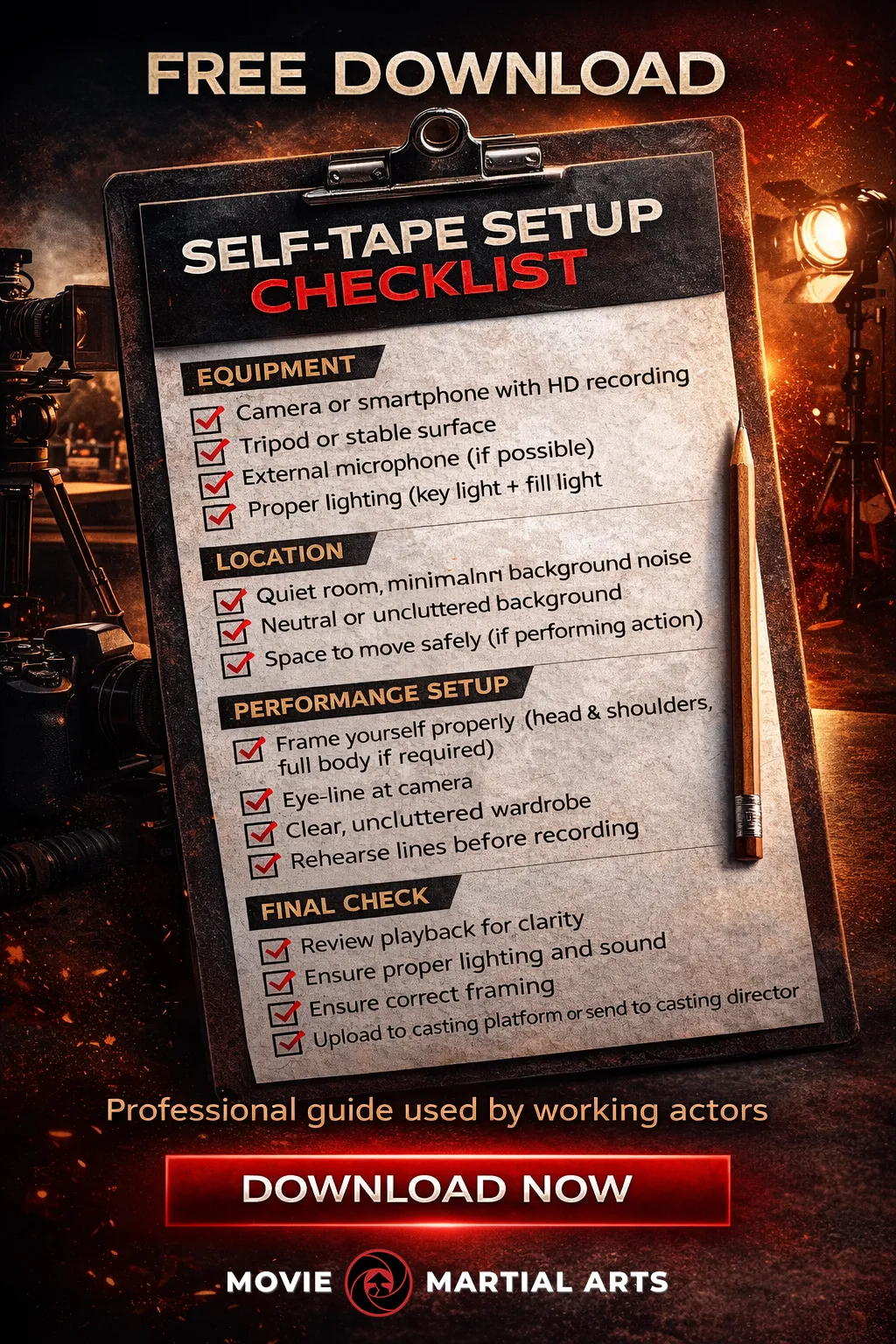

Are You Ready to Take Your Career to the Next Level?
Join Movie Martial Arts
Get access to exclusive training, tutorials, and resources that will transform your career.
CONTINUE LEARNING
If you want to break down iconic martial arts fight scenes, check out these related INSIGHTS articles:
Breakdown of Iconic Film Fight Scene – See how professional choreography creates some of the most memorable fight scenes.
How Movie Fight Scenes Are Created: A Complete Guide to Cinematic Action – Explore the entire process of creating cinematic fight sequences from choreography to camera angles.
Analyzing Fight Scene Pacing – Learn how pacing affects the energy and emotional impact of a fight scene.
Camera Angles in Fight Scenes – Understand how different camera angles enhance the dynamics of martial arts choreography.
The Role of Reaction Shots in Action Sequences – Discover how reaction shots build emotional depth and suspense in fight scenes
How to Become a Stunt Performer in Film and Television – Learn the necessary steps to break into stunt performing in the film and TV industry.