1 June 2026 MOVIE MARTIAL ARTS
NETWORKING FOR FILM MARTIAL aRTS
PROFESSIONALS
Breaking into the film industry as a martial artist requires far more than physical skill. While strong technique, athletic ability, and screen presence are essential, professional relationships are often the key that unlocks real opportunities.
Many successful stunt performers and action actors built their careers not only through talent, but through consistent networking, collaboration, and trust within the industry.
Film productions operate on tight schedules with high safety expectations. Because of this, stunt coordinators and directors often hire performers they already know and trust.
For aspiring professionals, understanding how to build those relationships strategically can dramatically accelerate career progress.
Why Networking Matters in the Stunt & Action Industry
In action filmmaking, teamwork and reliability are critical. Fight scenes involve timing, safety coordination, and precise choreography. Producers and stunt coordinators prefer performers who are professional, disciplined, and easy to work with.
Strong professional relationships can lead to:
• Invitations to stunt training sessions
• Referrals for auditions
• Opportunities in independent productions
• Introductions to stunt coordinators and directors
• Long-term collaborations across multiple projects
Many stunt careers develop through recommendations and referrals, rather than traditional job applications.

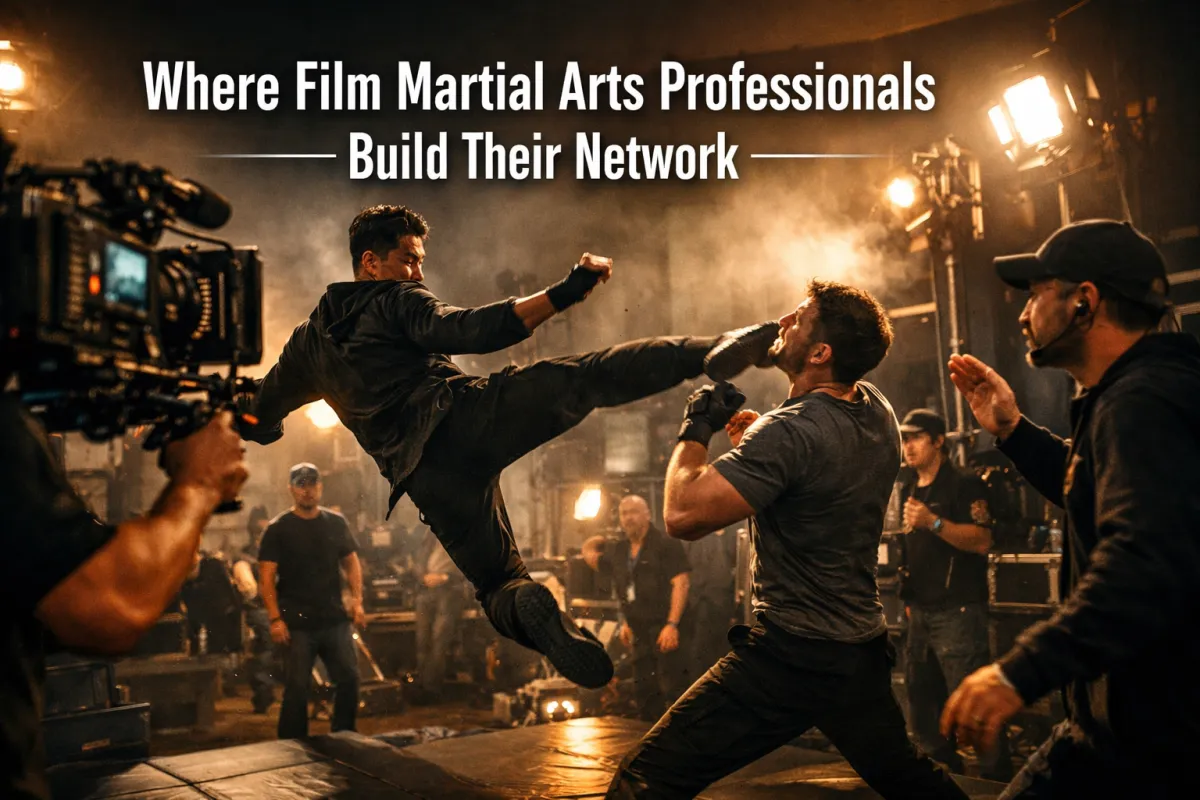
Martial artists performing a choreographed fight scene on a professional movie set while a camera operator films the action.
Where Film Martial Arts Professionals Build Their Network Film Sets
Working on a film set is one of the most valuable networking environments available.
Even small roles or background work allow performers to:
• Meet stunt teams and coordinators
• Observe professional fight choreography in action
• Build relationships with directors and crew members
A professional attitude on set can leave a lasting impression. In many cases, reputation spreads quickly within the stunt community.
Stunt Training Facilities
Many stunt performers regularly train together in specialized gyms designed for action choreography.
These facilities allow martial artists to develop:
• fight choreography skills
• timing and distance control
• stunt safety awareness
• camera-friendly movement
Training consistently in these environments often leads to natural industry connections and collaboration opportunities.
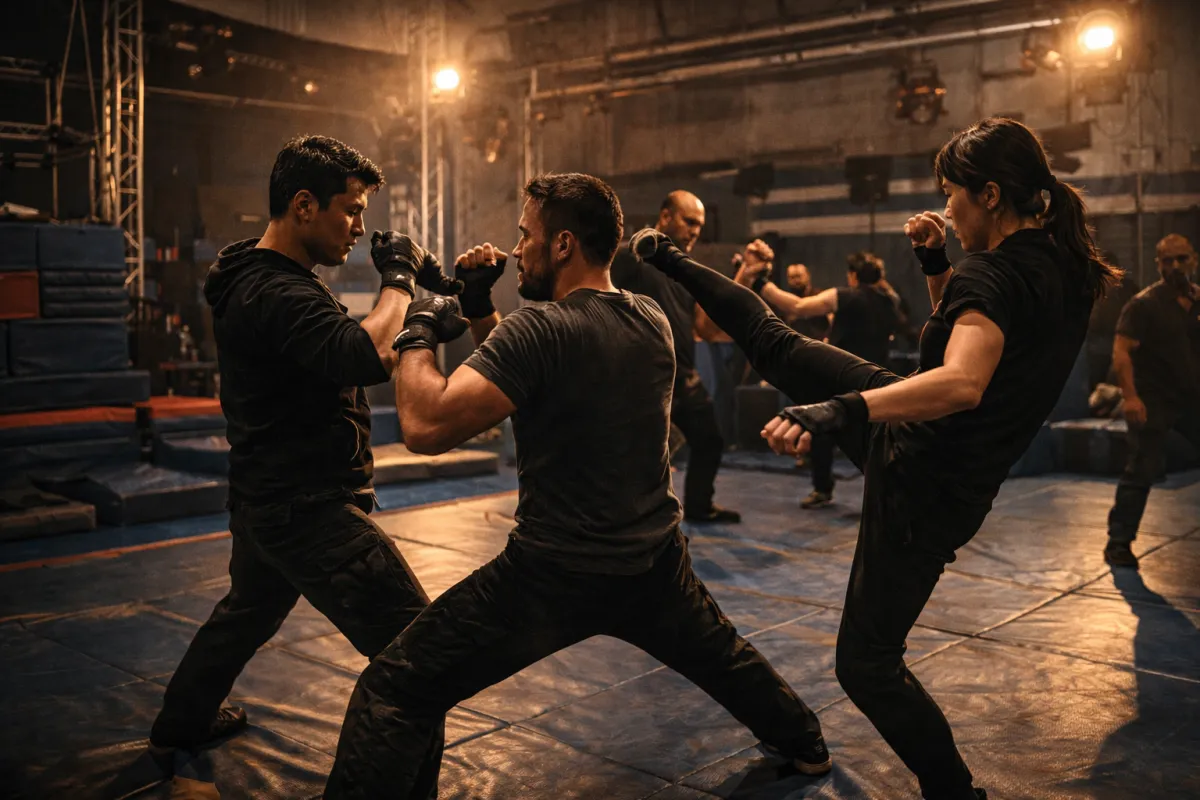
Stunt performers practicing fight choreography together in a professional stunt training gym.
Martial Arts Schools
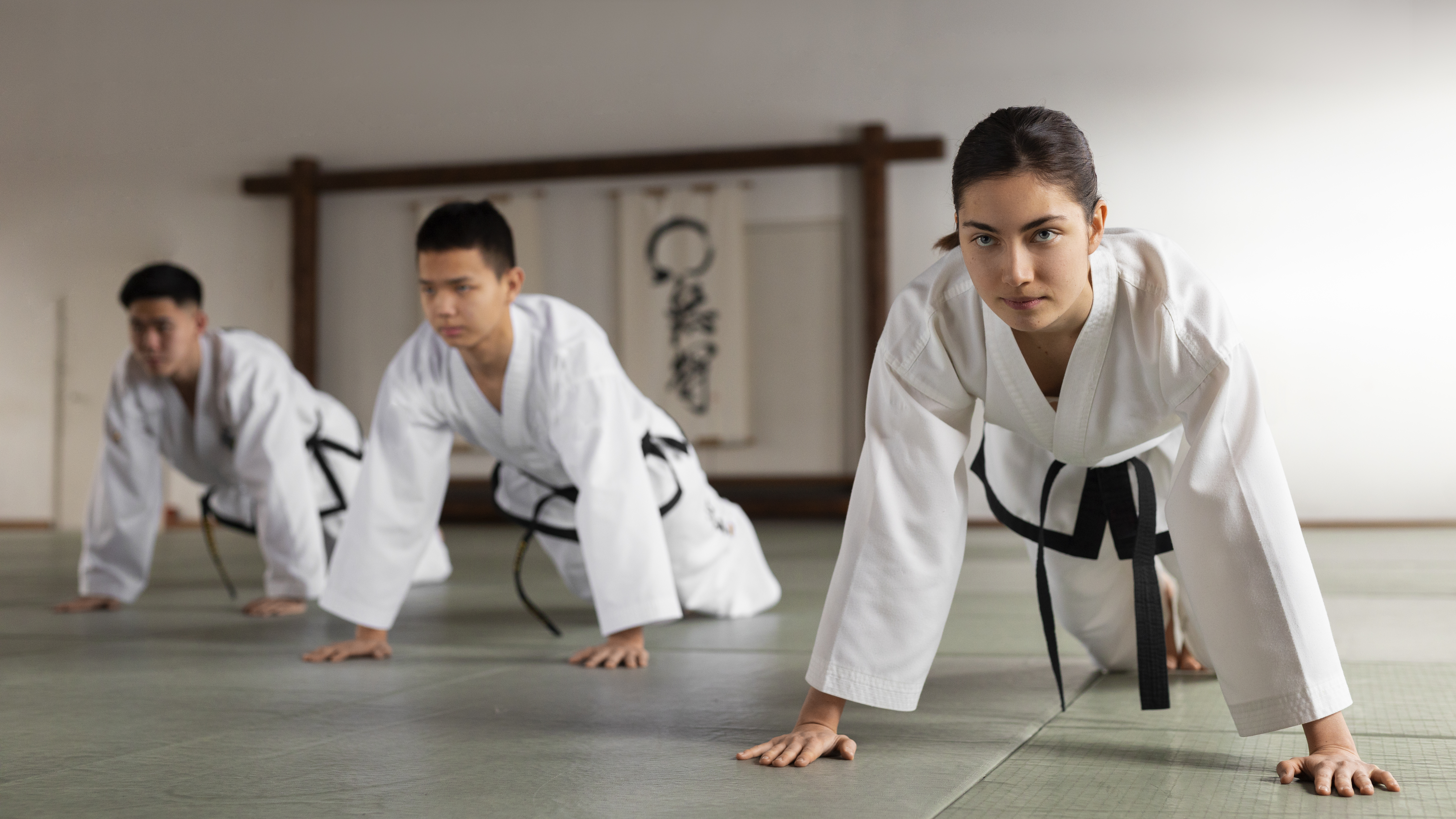
Traditional martial arts schools are often where future stunt performers begin their journey.
Training partners and instructors may later become:
• stunt collaborators
• film industry contacts
• mentors
Many schools also host workshops or seminars focused on screen fighting and stunt performance.
Film Festivals and Industry Events
Film festivals provide valuable networking opportunities for martial artists interested in the entertainment industry.
These events allow performers to connect with:
• filmmakers
• producers
• stunt coordinators
• casting professionals
Attending panels, screenings, and networking events can lead to unexpected collaborations and introductions.

Martial artists and stunt performers engaging in an online professional community, sharing training videos and discussing choreography techniques.
Online Professional Communities
In today’s digital world, networking also happens online.
Professional communities allow martial artists to:
• share training videos
• showcase stunt reels
• discuss choreography techniques
• connect with filmmakers and performers worldwide
Platforms like Facebook host many active martial arts and stunt industry groups where professionals exchange ideas and opportunities.
Building a Strong Professional Reputation
Networking is not simply about meeting people. It is about earning trust and maintaining professionalism.
Successful stunt performers are known for:
• reliability
• safety awareness
• discipline in training
• teamwork on set
• a positive attitude during production
In the stunt industry, reputations travel quickly. A performer known for professionalism and preparation is far more likely to be recommended for future projects.

A stunt performer demonstrating professionalism, reliability, and safety awareness during a film set action sequence, working closely with the crew.
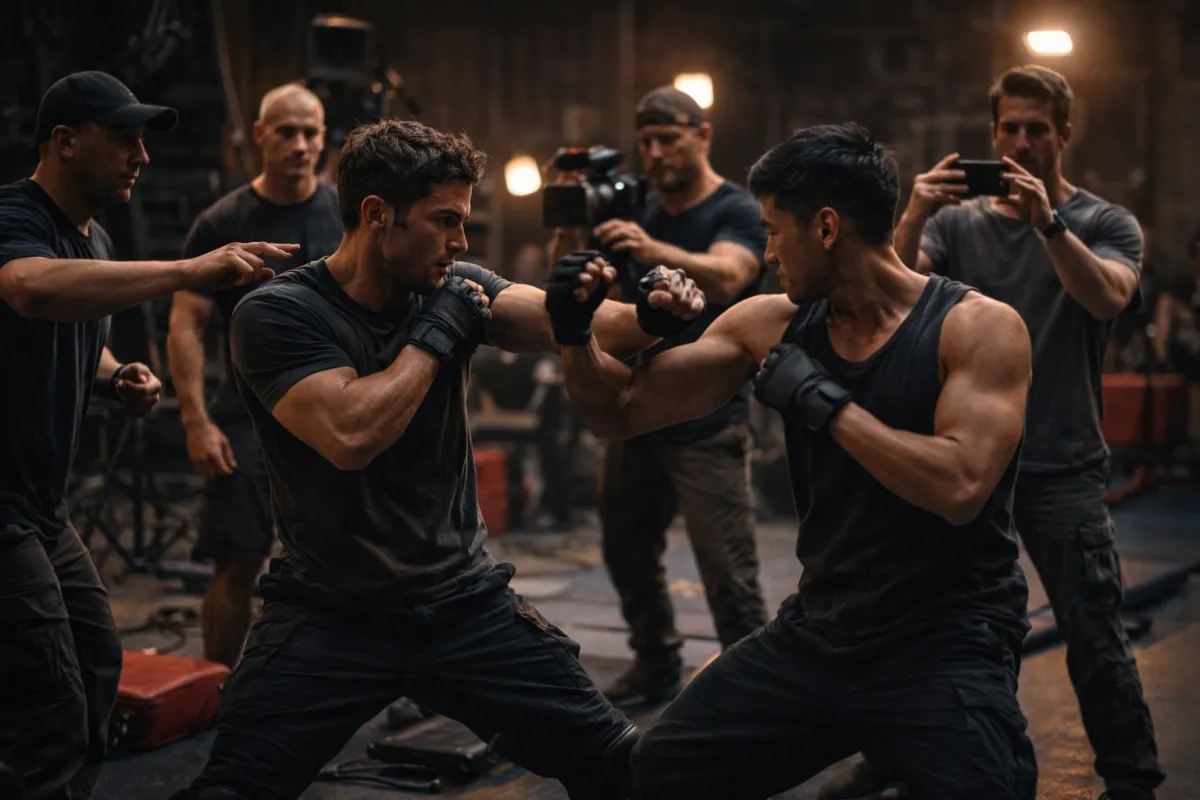
Group of stunt performers collaborating on fight choreography rehearsal for an independent action film.
Creating Opportunities Through Collaboration
Many film martial artists create their own opportunities through collaborative projects.
These can include:
• short action films
• choreography demonstration videos
• stunt reels
• martial arts showcase performances
Collaborative projects allow performers to build experience, relationships, and portfolio material simultaneously.
Join a Community of Film Martial Arts Professionals
Building a career in film martial arts can sometimes feel like a solitary journey. Many aspiring performers train for years without knowing how to connect with the professionals already working in the industry.
One of the most effective ways to accelerate your progress is by joining a community of like-minded martial artists, stunt performers, and action filmmakers.
The Movie Martial Arts Premium Community was created specifically for this purpose - to bring together martial artists who want to develop their skills for film, television, and stunt performance.
Inside the community, members can:
• Connect with martial artists pursuing careers in film
• Share training footage and choreography practice
• Ask questions about stunt work and screen fighting
• Learn from experienced performers working in the industry
• Discover collaboration opportunities
Hosted through a private Facebook group, the community allows members from around the world to interact, exchange insights, and support each other’s progress.
Professionals such as:
Scott Adkins
Donnie Yen
Michael Jai White
all developed their careers within strong networks of martial artists, stunt performers, and filmmakers who trained and collaborated together.
For martial artists serious about entering the action film industry, surrounding yourself with the right people can dramatically accelerate your progress.

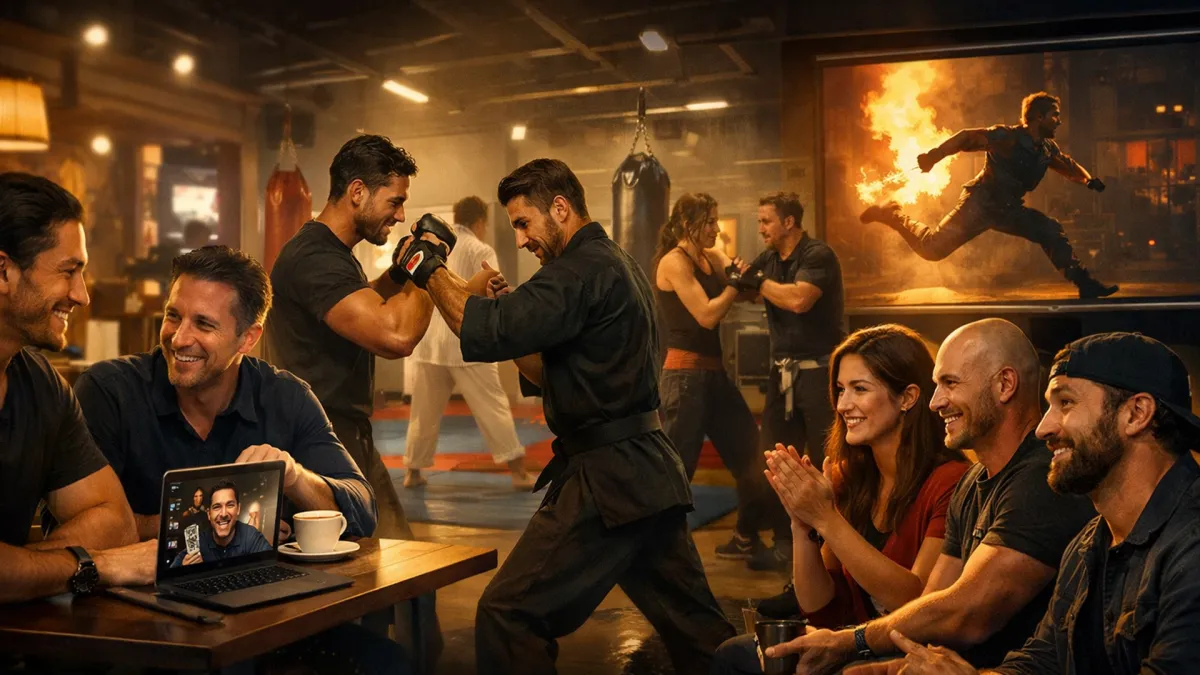
Martial artists and stunt performers maintaining industry relationships by reconnecting, attending training sessions, and supporting fellow performers’ projects.
Maintaining Industry Relationships
Networking does not end after the first introduction.
Successful professionals maintain relationships by:
• staying in contact with collaborators
• attending regular training sessions
• supporting other performers’ projects
• continuing professional development
Over time, these relationships often lead to long-term professional partnerships.
The Long-Term Value of Networking
Many martial artists spend years developing their physical abilities, but those who build successful careers in film also invest time in their professional relationships.
Connections formed today may lead to:
• future stunt contracts
• film collaborations
• mentorship opportunities
• career guidance
In the world of cinematic action, your network often becomes your greatest professional asset.
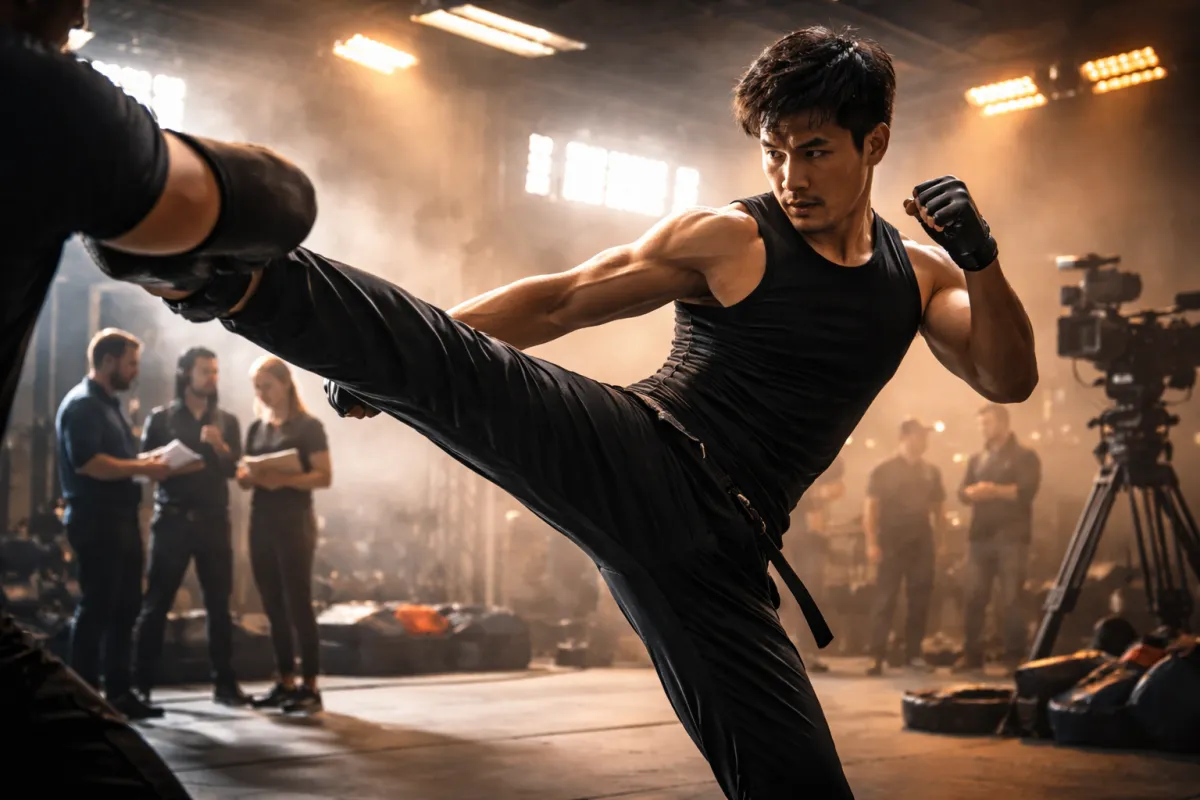
Martial artist and stunt performer receiving career guidance and mentorship from an industry professional, discussing future collaborations and opportunities.
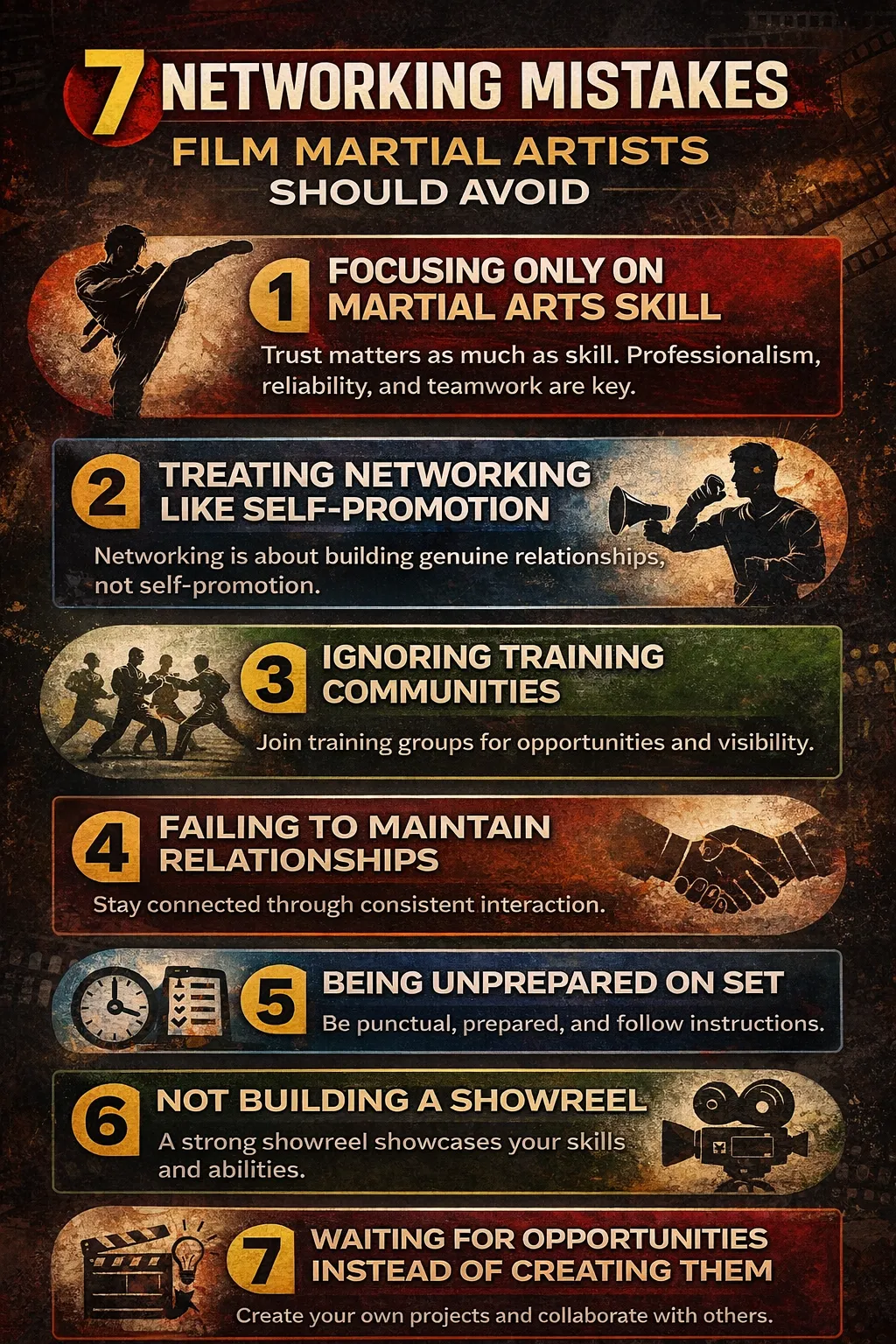
7 Networking Mistakes Film Martial Artists Should Avoid: Learn how to build stronger professional relationships in the stunt and action industry.
7 Networking Mistakes Film Martial Artists Should Avoid
Even highly skilled martial artists sometimes struggle to build connections in the film industry. In many cases, the problem is not a lack of talent - it is a misunderstanding of how professional networking works.
Avoiding the following mistakes can help martial artists build stronger relationships and improve their chances of being recommended for projects.
1. Focusing Only on Martial Arts Skill
Many performers believe their martial arts ability alone will attract industry attention.
While strong technique is important, stunt coordinators also look for performers who demonstrate:
• professionalism
• reliability
• safety awareness
• teamwork
In the film industry, trust often matters just as much as skill.
2. Treating Networking Like Self-Promotion
Networking is not about constantly promoting yourself.
Instead, it is about building genuine professional relationships. The most successful martial artists listen, support others, and contribute to the community.
People prefer to collaborate with professionals who show respect and humility.
3. Ignoring Training Communities
Some martial artists train alone or only within small circles.
However, many stunt opportunities emerge through shared training environments, where performers practice choreography and develop trust with one another.
Regular participation in group training sessions dramatically increases visibility within the industry.
4. Failing to Maintain Relationships
Meeting someone once at a workshop or film set is only the beginning.
Successful professionals stay connected by:
• attending future training sessions
• collaborating on small projects
• staying in touch with fellow performers
Relationships grow stronger through consistent interaction over time.
5. Being Unprepared on Set
Film sets operate under tight schedules and high safety standards.
If a performer arrives late, unprepared, or unable to follow choreography instructions, their reputation can quickly suffer.
Stunt coordinators often rehire performers who demonstrate:
• professionalism
• discipline
• strong listening skills
6. Not Building a Showreel
Networking works best when people can see your skills in action.
A strong stunt or martial arts showreel allows directors and coordinators to quickly evaluate:
• movement quality
• fight choreography ability
• screen presence
Short action clips and choreography demonstrations can significantly increase credibility.
7. Waiting for Opportunities Instead of Creating Them
Many successful martial artists did not wait for auditions or film roles. Instead, they created their own projects.
These include:
• short action films
• stunt choreography demonstrations
• independent martial arts productions
Actors such as:
Scott Adkins
Donnie Yen
Michael Jai White
all developed their careers through strong training communities and collaborations with other martial artists and filmmakers.
Martial artists practicing discipline and building professional relationships, emphasizing the importance of networking for success in the film martial arts industry.
Final Thoughts: Building Success in Film Martial Arts
Success in film martial arts rarely happens in isolation. It is built through skill, discipline, and meaningful professional relationships.
By actively participating in training communities, attending industry events, and maintaining a reputation for professionalism, martial artists can steadily build the connections that open doors in the film industry.
For those pursuing stunt work or action performance, networking is not simply helpful - it is a fundamental part of the journey.
That’s where Movie Martial Arts Membership comes in.
We help you prepare for real-world auditions, stunt work, screen combat, and the technical performance details that casting directors don’t teach.
Whether it’s preparing for an action film or mastering subtle screen performance, we provide the tools to elevate your whole craft, not just your showreel.
Are You Ready to Take Your Career to the Next Level?
Join Movie Martial Arts
Get access to exclusive training, tutorials, and resources that will transform your career.
CONTINUE LEARNING
For actionable career advice in the martial arts film industry, explore these related INSIGHTS articles:
The Importance of Showreels – Discover why a professional showreel is essential for getting noticed in the industry.
Building Your Personal Brand – Learn how to develop a unique personal brand as a martial artist and performer.
Networking for Film Martial Arts Professionals – Master the art of networking in the competitive film industry.
Beyond the Showreel: What Casting Directors Really Look For – Go deeper into the casting process and what directors are really seeking in martial arts talent.
How to Become a Stunt Performer in Film and Television – A complete guide to becoming a professional stunt performer.
What Casting Directors Look for in Martial Artists – Understand the traits and skills that make you stand out during auditions.