1 June 2026 MOVIE MARTIAL ARTS
What Casting Directors Look for in
Martial Artists
WHAT CASTING DIRECTORS LOOK FOR IN MARTIAL ARTISTS
Martial artists often assume that technical skill alone will open the door to film and television work. While strong technique is certainly valuable, casting directors are looking for far more than powerful kicks or complex forms.
In reality, casting decisions are influenced by a combination of screen presence, professionalism, physical control, and reliability. Martial artists who understand this difference are far more likely to succeed in the highly competitive world of film production.
If you’re hoping to transition from the dojo to the camera, here are the qualities casting directors consistently look for when hiring martial artists.
Screen Presence Matters More Than You Think
In film, everything is magnified. A small gesture or subtle expression can completely change how a performer appears on screen.
Casting directors are looking for martial artists who demonstrate:
• Confidence in front of the camera
• Clear physical storytelling
• Strong body awareness
• Natural presence under pressure
A martial artist may be extremely skilled in training, but if their energy drops on camera, their performance may appear flat or unconvincing.
Developing screen presence is often the key difference between a good martial artist and a compelling on-screen performer.
The Ability to Perform Safely
Film sets operate under strict safety standards. When weapons, choreography, or high-impact action is involved, control becomes more important than power.
Casting directors and stunt coordinators want performers who can:
• Deliver techniques with precision
• Maintain consistent distance and timing
• Work safely with partners
• Repeat choreography reliably
A performer who demonstrates strong control builds trust with coordinators and directors, which often leads to more opportunities.
Professional Attitude and Reliability
The film industry runs on tight schedules and large teams. A production cannot afford delays caused by unprepared performers.
Casting directors value martial artists who show:
• Professional behaviour on set
• Punctuality and preparation
• Respect for the crew and other performers
• A willingness to learn and adapt
Martial artists who approach film work with the same discipline they apply to training tend to stand out immediately.
Camera Awareness
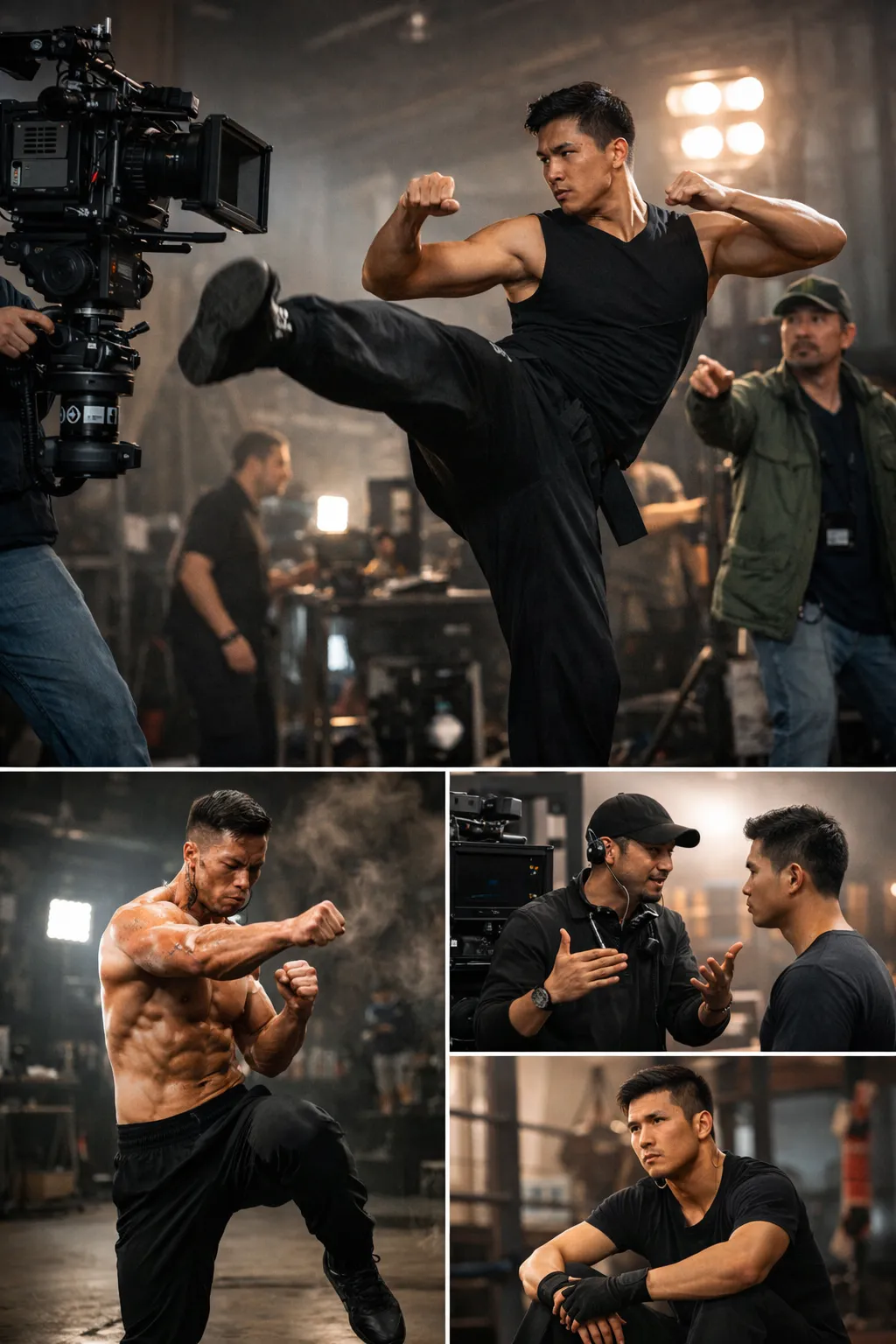
Film combat is not the same as real combat or tournament fighting. Techniques must be adapted for camera angles, framing, and storytelling.
Casting directors often look for martial artists who understand:
• How to perform techniques toward the camera
• How movement reads on screen
• How choreography supports the story
• How to adjust timing for cinematic impact
A small adjustment in positioning can transform a basic technique into a powerful cinematic moment.
Strong Physical Conditioning
Action scenes often require long rehearsal periods, repeated takes, and physically demanding choreography.
Casting directors look for performers who demonstrate:
• Endurance and stamina
• Mobility and flexibility
• Balance and coordination
• The ability to recover quickly between takes
Film production can involve long hours and multiple action sequences, so physical readiness is essential.
A Clear and Professional Showreel
A strong showreel remains one of the most important tools for martial artists entering the film industry.
Casting directors want to quickly see:
• Your best techniques
• Clear movement and control
• Performance ability
• How well you work with partners
A well-produced showreel allows casting professionals to visualize how you might perform in a real production environment.
The Ability to Take Direction
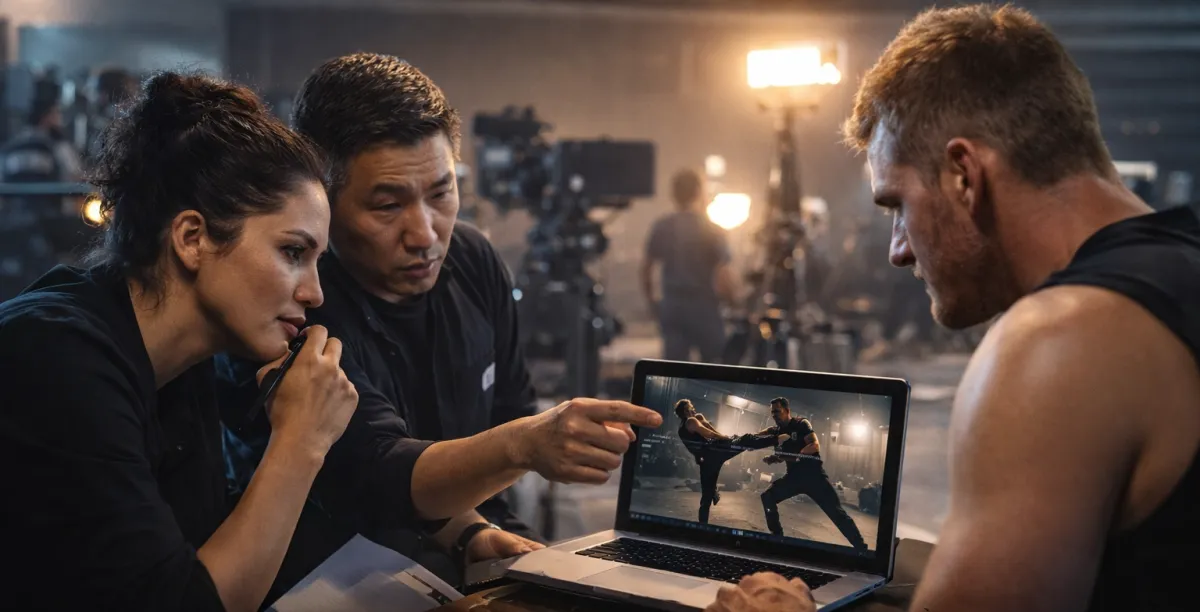
Film is a collaborative process. Directors and coordinators often adjust choreography to suit the story, camera angle, or pacing of a scene.
Casting directors look for performers who:
• Listen carefully to direction
• Adapt quickly to feedback
• Maintain focus under pressure
• Work well as part of a team
Those who show flexibility and professionalism often become trusted performers on future projects.
Final Thoughts
For martial artists entering the film industry, success depends on far more than technique. Casting directors are looking for individuals who combine skill, discipline, professionalism, and strong on-screen presence.
When martial artists develop these qualities alongside their training, they begin to move beyond simply demonstrating techniques and start delivering performances that truly work for the camera.
For those serious about building a career in cinematic action, understanding what casting directors value is one of the most important steps in the journey.
"Dive into the world of martial arts in film with exclusive insights, interviews, and behind-the-scenes discussions."

Are You Ready to Take Your Career to the Next Level?
Join Movie Martial Arts
Get access to exclusive training, tutorials, and resources that will transform your career.
CONTINUE LEARNING
If you're interested in mastering martial arts performance on screen, explore these related INSIGHTS articles:
How to Film a Monologue – Learn the essential techniques for delivering impactful monologues on film.
5 Biggest Mistakes Martial Artists Make on Film Sets (And How to Avoid Them) – Avoid common errors that could jeopardize safety and professionalism on set.
What Casting Directors Look for in Martial Artists – Understand how casting decisions are made for action roles in film and television.
Mastering Camera Angles for Martial Arts Performance – Learn how different camera angles impact the intensity and visual storytelling of martial arts scenes.
The Importance of Reaction Shots in Action Sequences – Discover how reaction shots help to build tension and emotional depth in fight scenes.
How to Become a Stunt Performer in Film and Television – A comprehensive guide to starting a successful stunt performance career in film and TV.