1 June 2026 MOVIE MARTIAL ARTS
Legendary Martial Arts Movie Stars:
The Icons Who Shaped Action Cinema
Martial arts cinema has produced some of the most memorable action heroes in film history. These performers are not only skilled martial artists - they are pioneers who helped transform fight choreography into cinematic storytelling.
From the explosive charisma of Bruce Lee to the modern athleticism of Scott Adkins, martial arts movie stars have shaped the way action films are made and experienced by audiences around the world.
Their influence extends beyond entertainment. These icons inspired millions of people to study martial arts, revolutionized stunt work in film, and pushed the boundaries of what action choreography can achieve on screen.
Let’s explore some of the legendary performers who helped define martial arts cinema.
Bruce Lee - The Pioneer of Modern Martial Arts Cinema
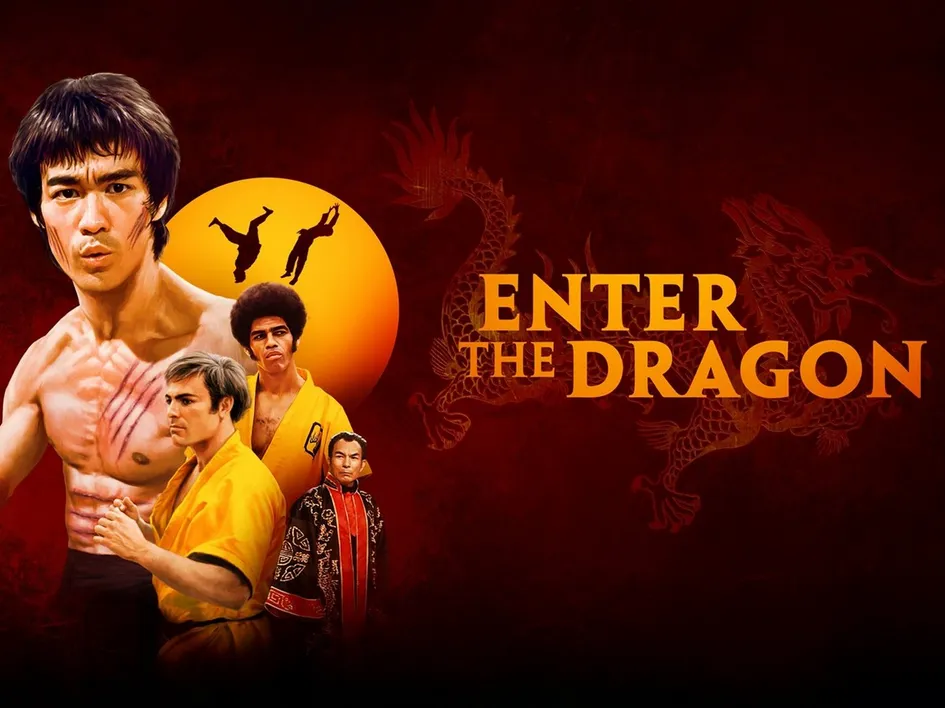
Few figures in film history have had the global impact of Bruce Lee. In the early 1970s, Lee transformed martial arts movies from regional productions into international blockbusters.
His powerful screen presence, philosophical approach to martial arts, and lightning-fast techniques captivated audiences worldwide.
Films such as Enter the Dragon and The Way of the Dragon introduced Western audiences to authentic martial arts action and established Lee as a cultural icon.
Beyond his film career, Bruce Lee’s philosophy of adaptability and self-expression influenced generations of martial artists and filmmakers. His legacy continues to shape the martial arts genre decades after his passing.
Jackie Chan - The Master of Action and Comedy
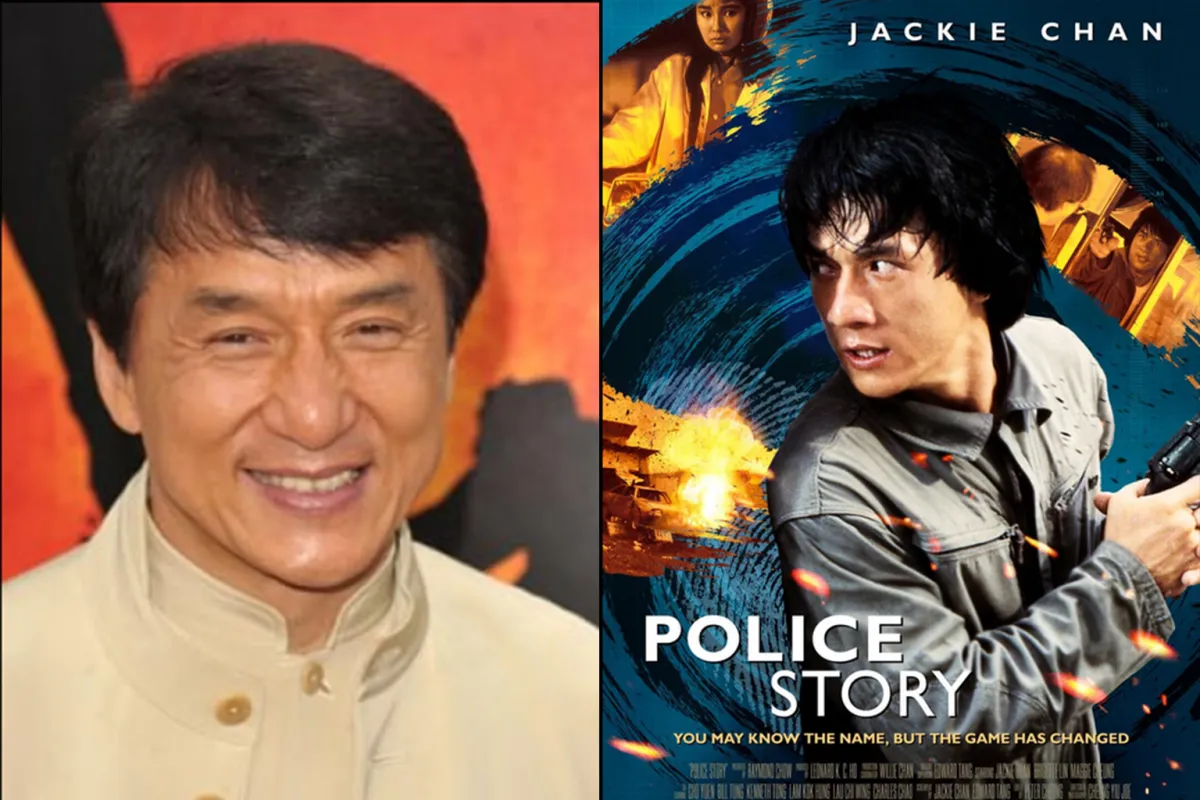
While many martial arts films focused on serious combat, Jackie Chan created a unique style that blended breathtaking stunts with humor and creativity.
Chan became famous for performing his own dangerous stunts, often incorporating everyday objects into complex fight choreography. His approach brought a new level of physical storytelling to martial arts cinema.
Classic films such as Drunken Master and Police Story showcased Chan’s incredible athleticism and innovative stunt work.
His influence can still be seen in modern action filmmaking, where dynamic movement and long uninterrupted fight sequences remain a hallmark of great choreography.
Jet Li - Speed, Precision, and Elegance
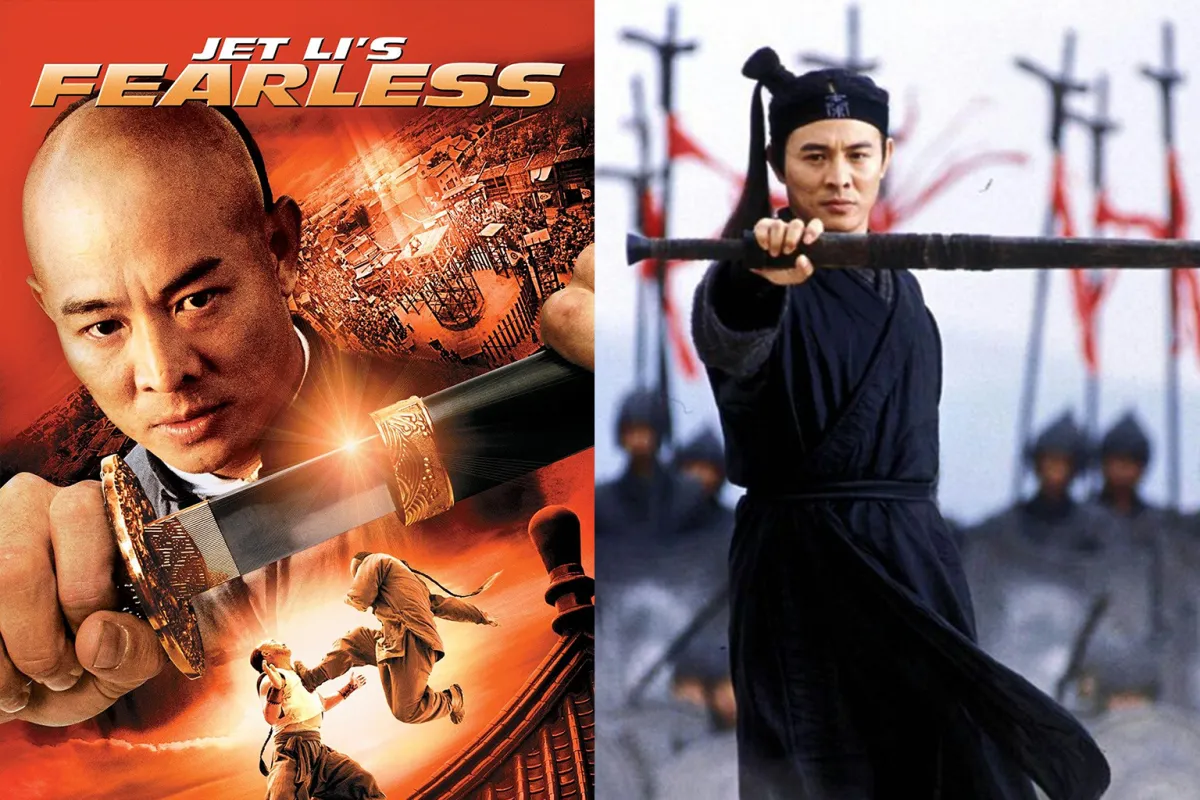
Former wushu champion Jet Li brought extraordinary speed and technical precision to martial arts cinema.
Li’s performances are known for their fluidity and elegance, blending traditional Chinese martial arts with cinematic storytelling.
His breakthrough role in Once Upon a Time in China helped redefine the modern kung fu film, while later productions such as Hero demonstrated the artistic potential of martial arts cinema.
Jet Li’s work elevated the visual style of martial arts films and helped introduce international audiences to the beauty of traditional Chinese combat arts.
Keanu Reeves - The Rise of Gun-Fu Action
While not a traditional martial arts tournament champion, Keanu Reeves has become one of the most influential action stars in modern martial arts cinema.
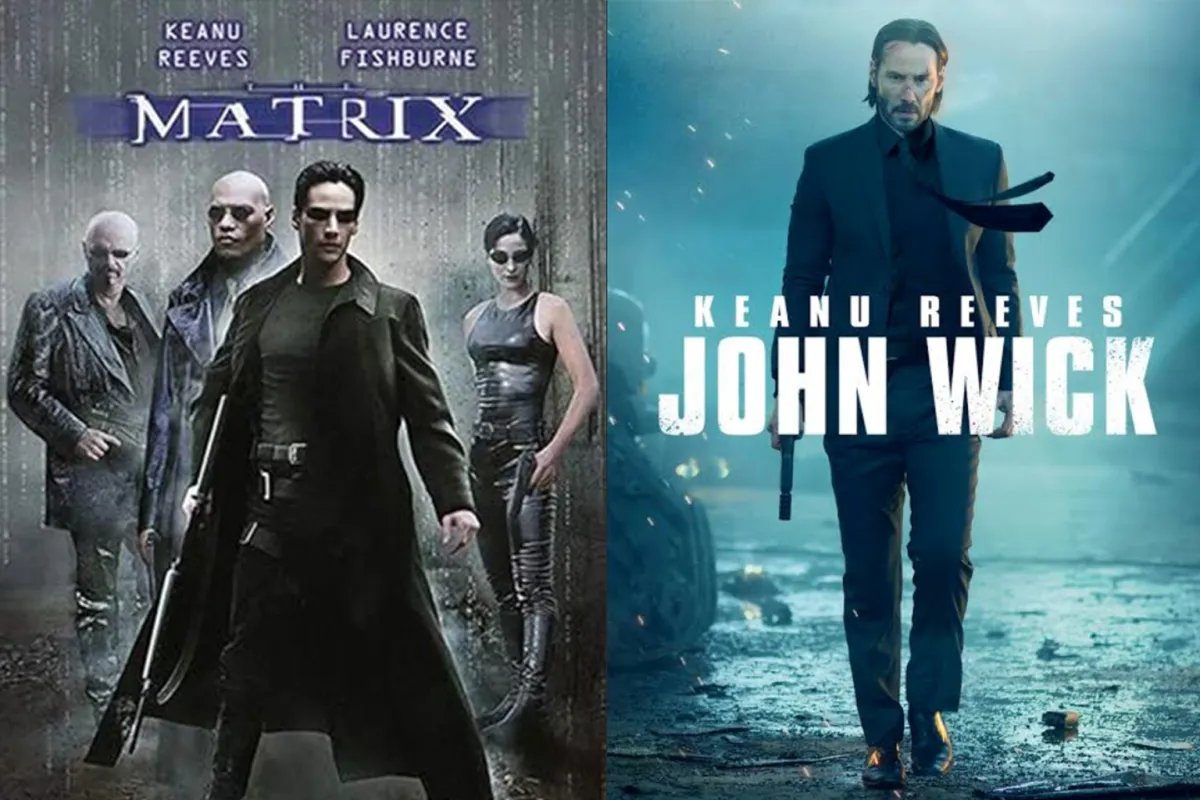
His breakthrough role in The Matrix introduced audiences to a revolutionary blend of martial arts choreography, wire work, and cinematic visual effects. The film’s iconic fight scenes, choreographed by legendary martial arts choreographer Yuen Woo-ping, helped redefine the visual language of action films in the late 1990s.
Reeves later deepened his connection to martial arts cinema when he directed and starred in Man of Tai Chi, a film that pays tribute to traditional martial arts philosophy and modern fight choreography.
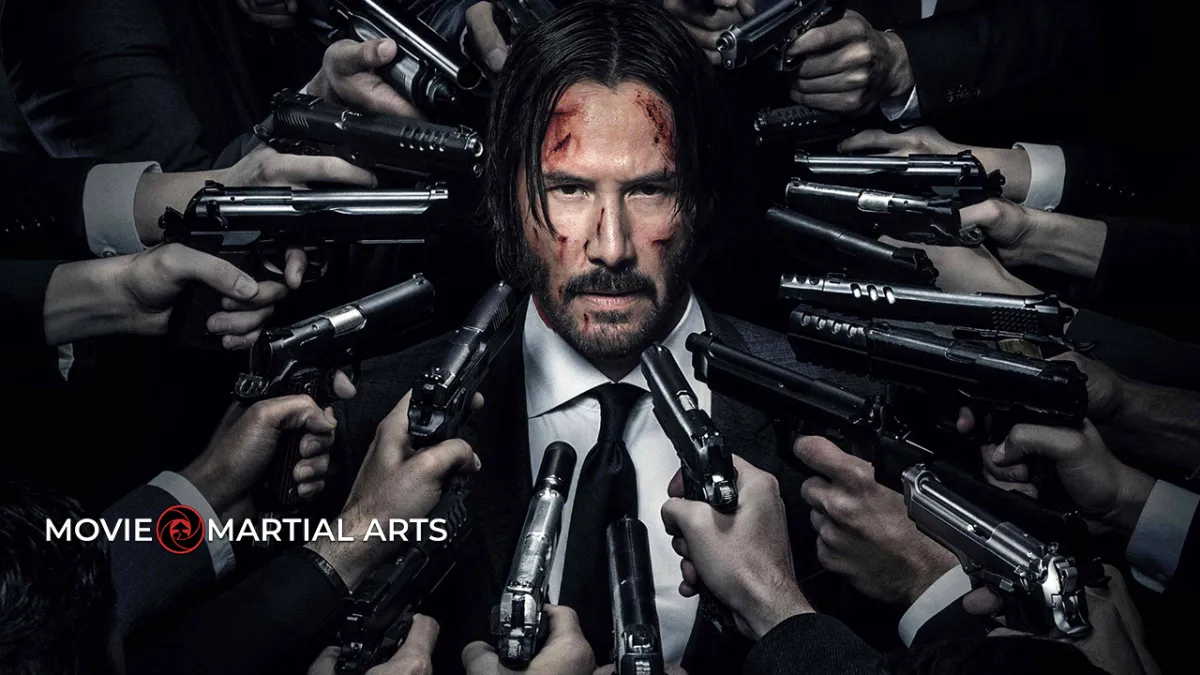
His role as John Wick in the John Wick film series further elevated action choreography by popularizing a combat style often referred to as “gun-fu.” This technique combines practical firearm handling with close-quarters martial arts movements, creating fast-paced and highly realistic action sequences.
Reeves’ dedication to training and performing complex fight choreography has earned him respect among stunt performers, martial artists, and action filmmakers alike. His work demonstrates how modern action cinema can successfully blend martial arts technique, tactical combat training, and cinematic storytelling.
Donnie Yen - The Evolution of Modern Fight Choreography
In recent decades, Donnie Yen has become one of the most influential figures in modern martial arts filmmaking.
Yen’s choreography blends traditional kung fu with modern combat sports, creating a dynamic and realistic style of on-screen fighting.
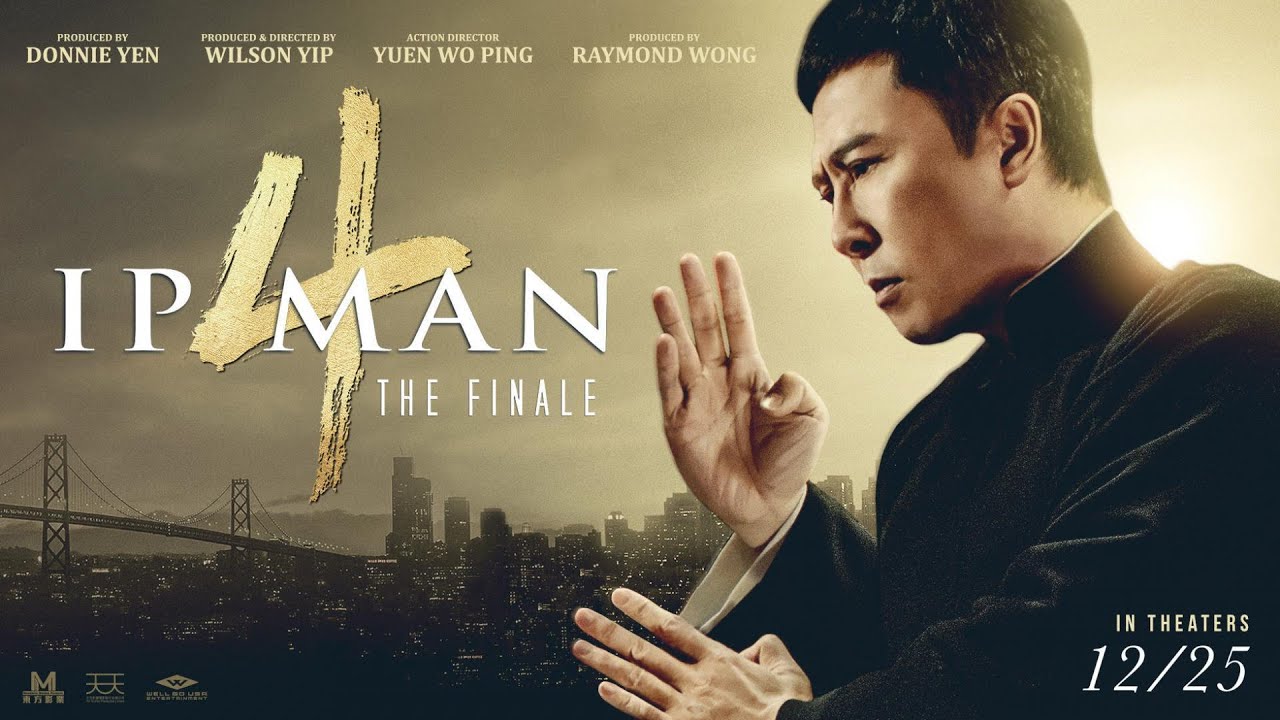
His portrayal of the legendary Wing Chun master in Ip Man brought global attention to the martial art and became one of the most successful martial arts film franchises in history.
Another standout example of his intense fight choreography can be seen in Flash Point, which introduced a more grounded, MMA-inspired style of combat to the genre.
Tony Jaa - The Rise of Muay Thai Action Cinema
Thai martial artist Tony Jaa brought a new level of realism and physical intensity to martial arts films.
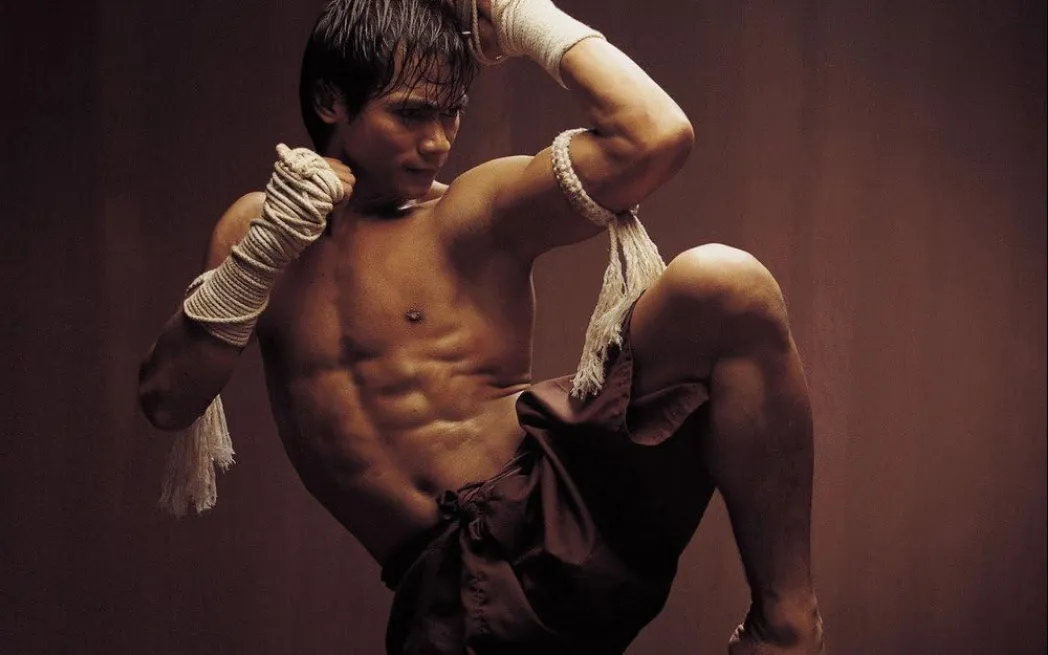
His breakout role in Ong-Bak stunned audiences with raw Muay Thai techniques, bone-crunching strikes, and breathtaking stunt sequences performed without CGI.
Tony Jaa’s dedication to practical stunts and authentic martial arts helped revive global interest in traditional action filmmaking during an era increasingly dominated by digital effects.
His films demonstrated that real physical skill and athleticism could still deliver some of the most exciting action sequences ever captured on film.
Scott Adkins - The Modern Martial Arts Action Star
British martial artist Scott Adkins has become one of the leading figures in modern martial arts action cinema.
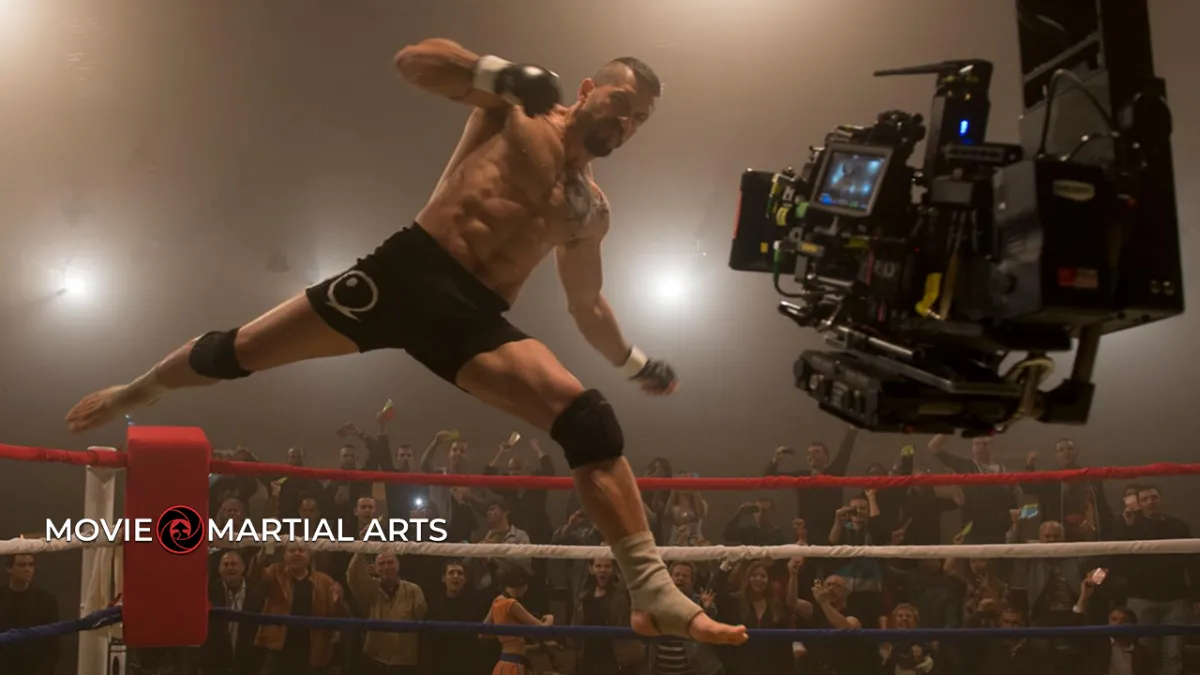
Known for his explosive kicking ability and high-level stunt performance, Adkins gained international recognition for his role as Yuri Boyka in Undisputed III: Redemption.
Adkins combines multiple martial arts styles, including taekwondo, kickboxing, and gymnastics, creating fast-paced and visually spectacular fight choreography.
His performances continue to push the physical limits of martial arts action films.
Michael Jai White - Power, Athleticism, and Screen Presence
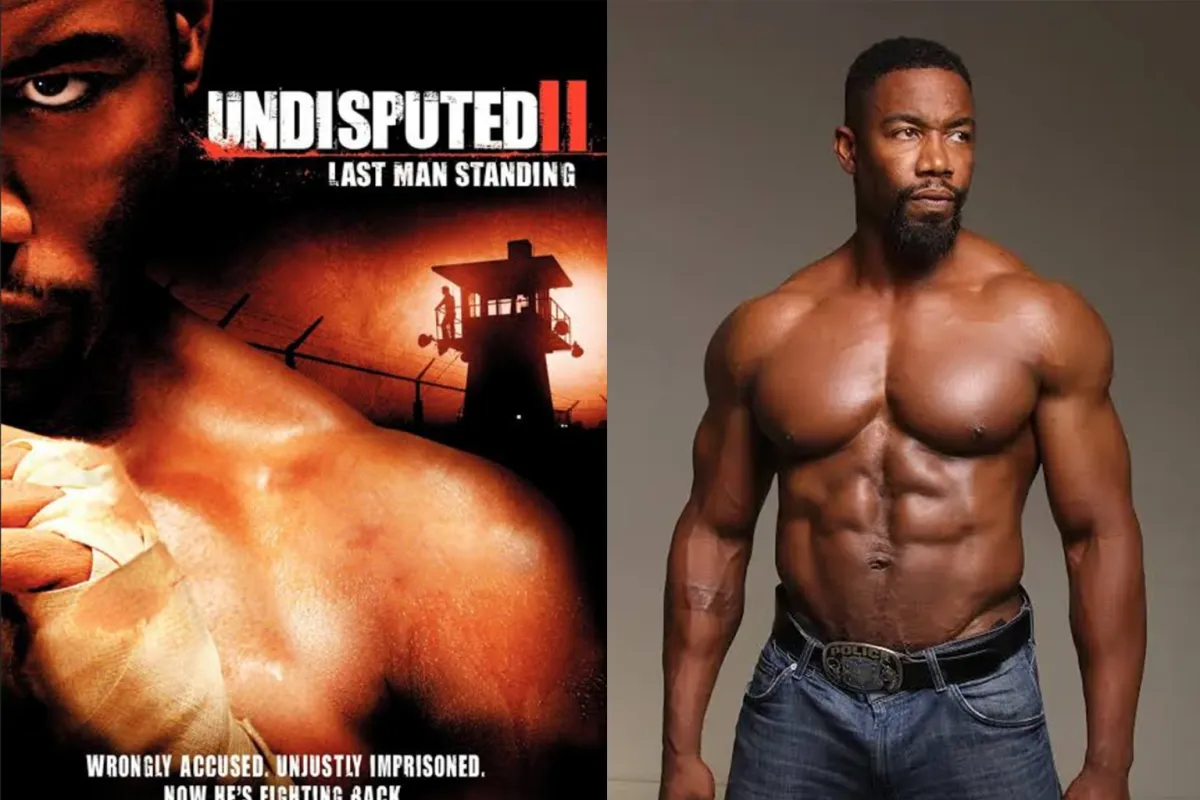
American martial artist and actor Michael Jai White is known for combining powerful striking techniques with strong screen presence.
A highly accomplished martial artist, White holds black belts in several disciplines and has demonstrated his skills in numerous action films.
His performance in Blood and Bone showcased his impressive athleticism and fight choreography, while his role in Undisputed II: Last Man Standing helped solidify his reputation as a formidable martial arts action star.
White’s work highlights the importance of both physical ability and acting skill in martial arts cinema.
The Legacy of Martial Arts Cinema
The influence of martial arts cinema extends far beyond entertainment. Over the decades, martial arts movie stars have shaped how action is filmed, how fights are choreographed, and how audiences around the world understand martial arts culture.
The pioneering work of Bruce Lee introduced Western audiences to martial arts philosophy and authentic combat techniques, transforming the global perception of martial arts films.
Actors such as Jackie Chan and Jet Li expanded that legacy by blending athletic skill with innovative choreography and storytelling.
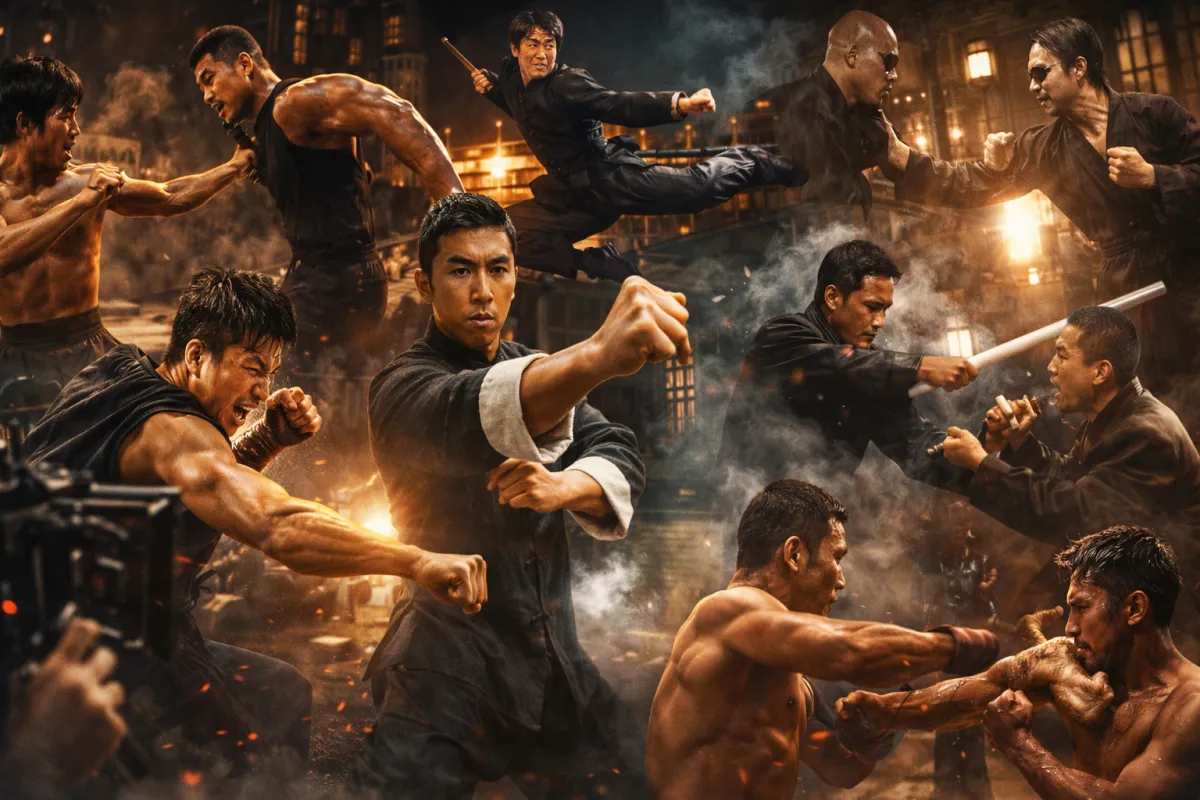
In the modern era, performers like Donnie Yen, Tony Jaa, Scott Adkins, and Michael Jai White continue to evolve the genre with contemporary stunt techniques and modern fight choreography.
Today, martial arts cinema influences action filmmaking across the entire industry. From Hollywood blockbusters to international productions, filmmakers continue to draw inspiration from the techniques and storytelling traditions established by these legendary performers.
For aspiring stunt performers, martial artists, and filmmakers, studying the work of these icons provides valuable insight into how martial arts can be translated into powerful cinematic storytelling.
Their legacy continues to inspire new generations of action performers and filmmakers around the world.
FAQ
Who is the most famous martial arts movie star?
Many fans consider Bruce Lee the most influential martial arts movie star due to his global impact on martial arts cinema and culture.
Which martial artist performs the most stunts?
Jackie Chan is famous for performing many of his own dangerous stunts, often combining martial arts choreography with acrobatics and comedy.
Which modern martial arts actors are popular today?
Modern stars such as Scott Adkins, Donnie Yen, and Tony Jaa continue to push the boundaries of martial arts action cinema.
Are You Ready to Take Your Career to the Next Level?
Join Movie Martial Arts
Get access to exclusive training, tutorials, and resources that will transform your career.
CONTINUE LEARNING
For a deeper look at the martial arts film industry, explore these related INSIGHTS articles:
Inside the Stunt Coordinator’s Mind: Casting & Safety – Gain valuable insights into the decision-making process of stunt coordinators.
Emerging Trends in Martial Arts Films – Discover the latest trends shaping martial arts cinema and the future of the genre.
The 10 Greatest Martial Arts Fight Scenes in Movie History – Take a journey through the most iconic fight scenes that changed the film industry.
The Ultimate Guide to Martial Arts Movies: History, Styles, and Legendary Fight Scenes – Learn about the history, evolution, and iconic styles that define martial arts films.
Legendary Martial Arts Movie Stars: The Icons Who Shaped Action Cinema – Dive into the lives and legacies of martial arts legends who revolutionized action movies.
How to Become a Stunt Performer in Film and Television – Learn how to get started in the stunt performing industry and build a career in film and TV.