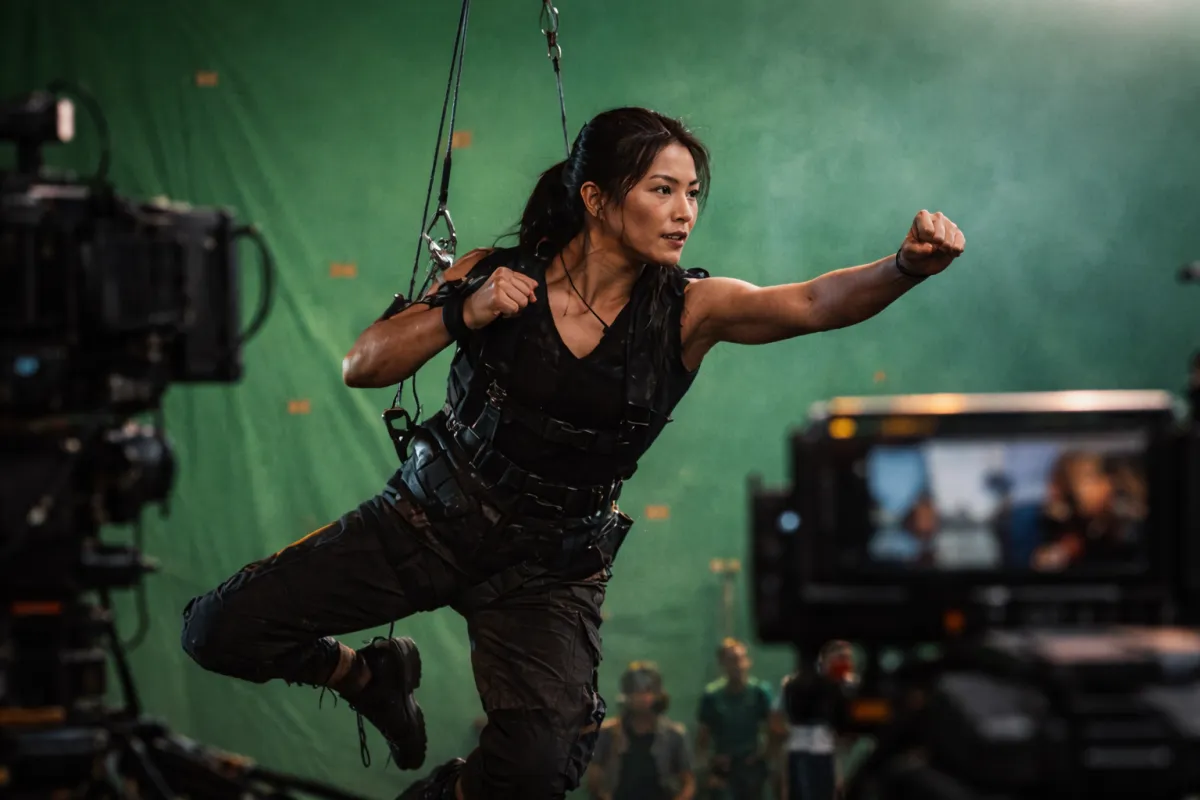
15 June 2026 MOVIE MARTIAL ARTS
THE ROLE OF REACTION SHOTS IN ACTION SEQUENCES
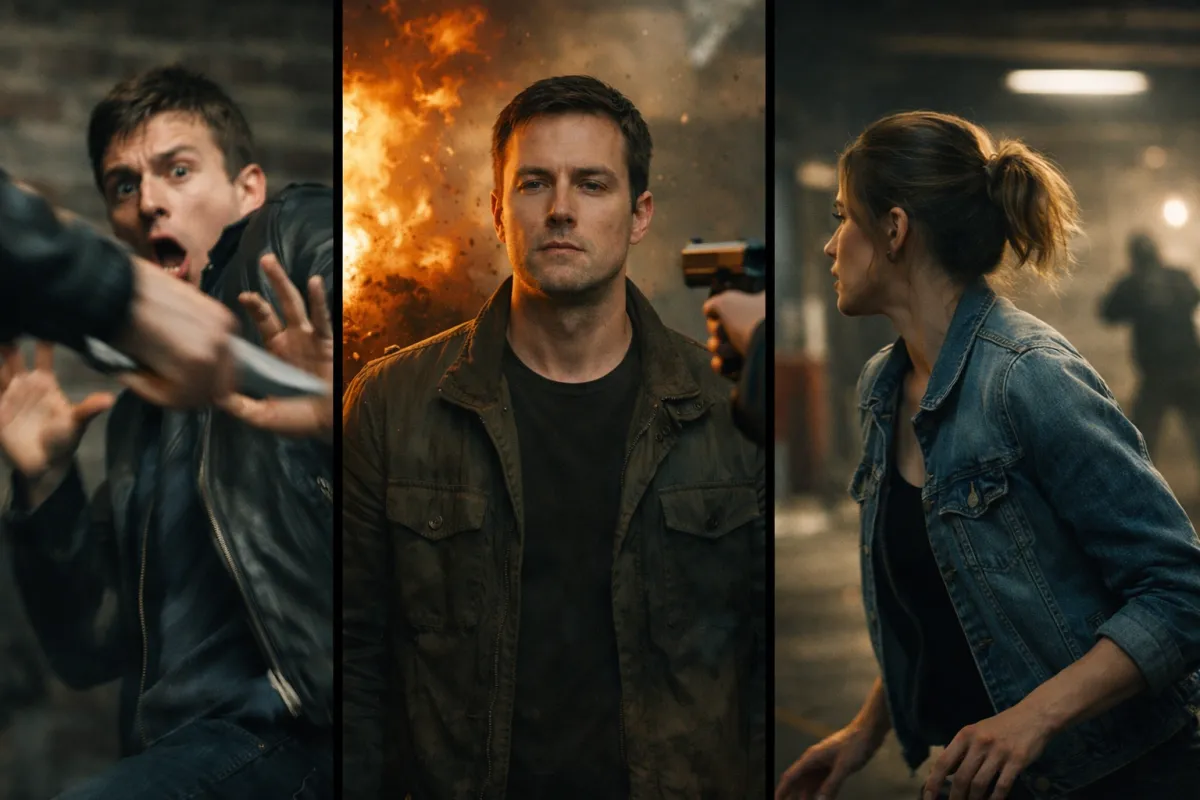
Reaction shots are more than just a cutaway; they are a storytelling powerhouse. They capture a character’s emotional or physical response to unfolding events, heightening tension, emphasizing stakes, and allowing the audience to connect with the characters on a visceral level. In action sequences, where chaos, speed, and spectacle dominate, reaction shots are the glue that keeps the audience oriented and emotionally invested.
What Are Reaction Shots?
Reaction shots show how characters respond to events in real-time.
They can reveal fear, determination, pain, surprise, or triumph.
On-screen, they ground the audience amid fast-paced stunts or visual effects, creating a human anchor in the spectacle.
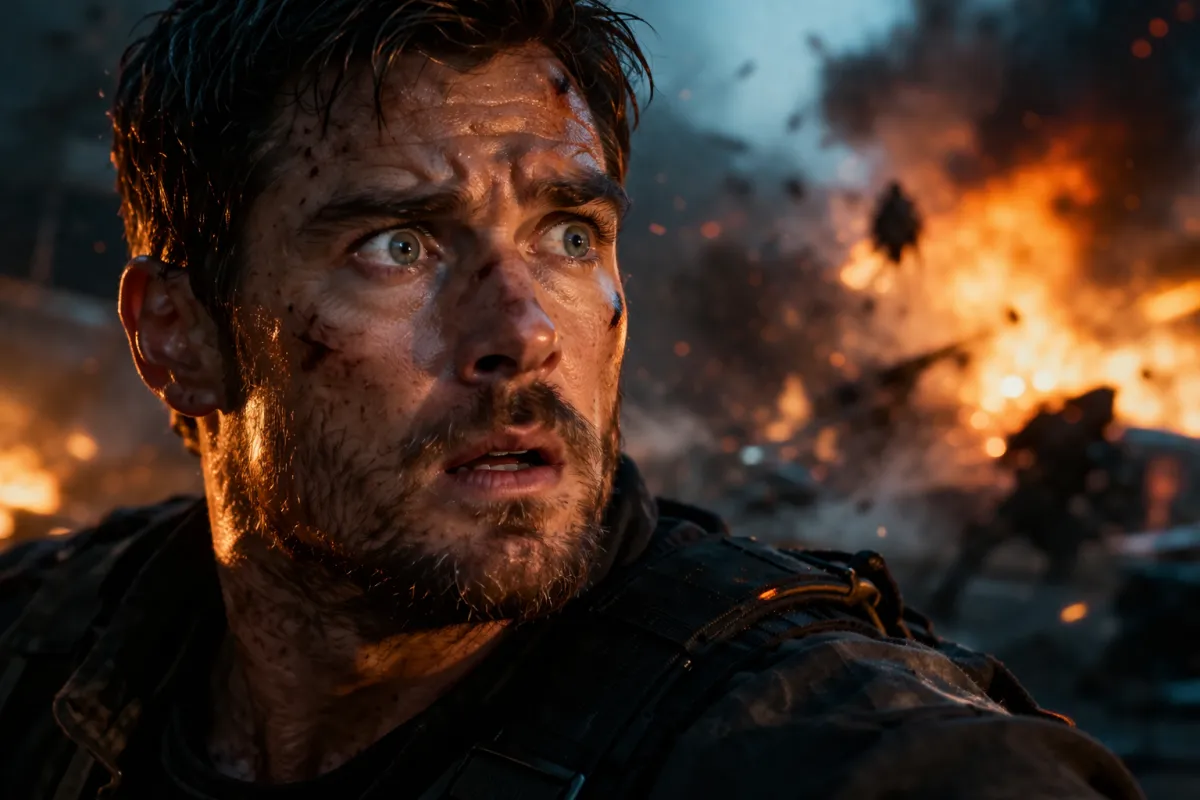
Example: In The Dark Knight, when the Joker detonates the hospital, Batman’s and Gordon’s reactions make the chaos palpable - showing stakes, emotion, and urgency simultaneously.
Why Reaction Shots Matter in Action Sequences
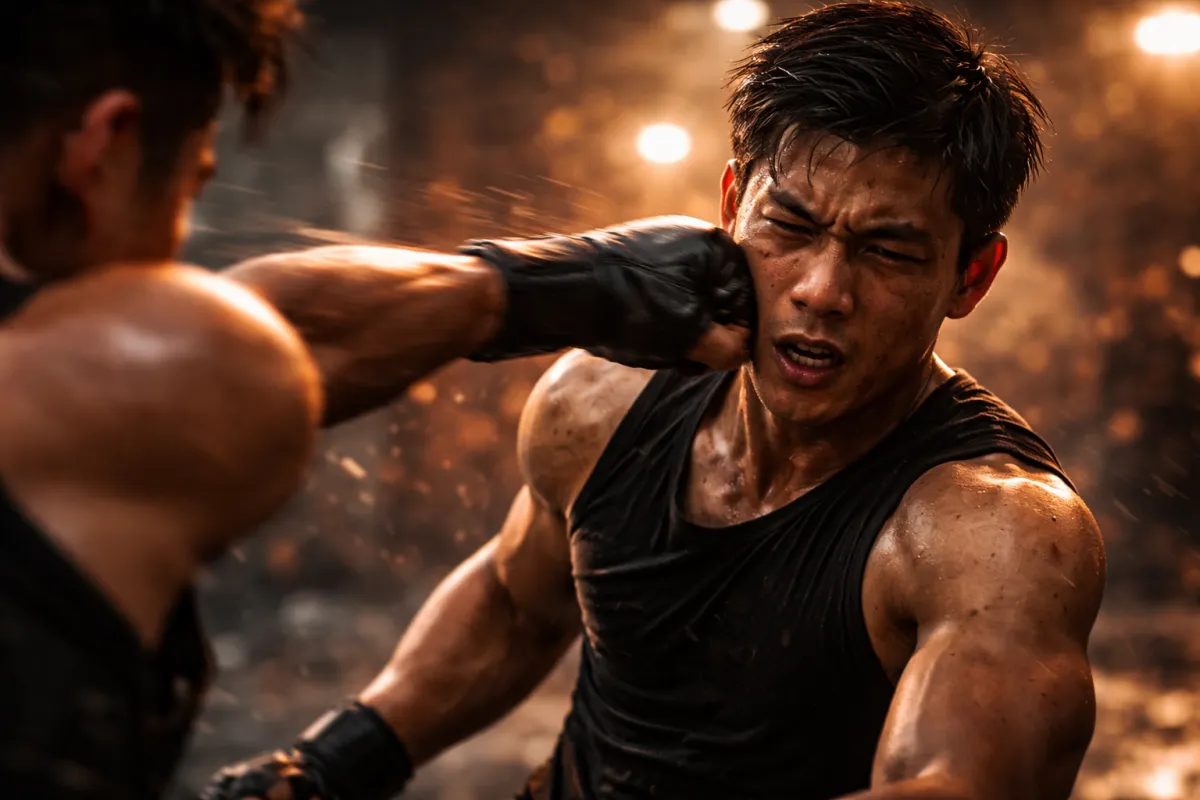
Emotional Resonance: They reveal internal stakes. A punch is more thrilling when we see the hero flinch or grimace in reaction.
Pacing & Rhythm: Editing reaction shots at key beats allows filmmakers to control tempo, build suspense, and avoid visual fatigue.
Spatial Clarity: Reaction shots help the audience understand the geography of the scene - where characters are in relation to danger, allies, or obstacles.
Pro Tip: Even a subtle blink, a widening of the eyes, or a shift in posture can communicate as much as a full-body stunt.
Types of Reaction Shots
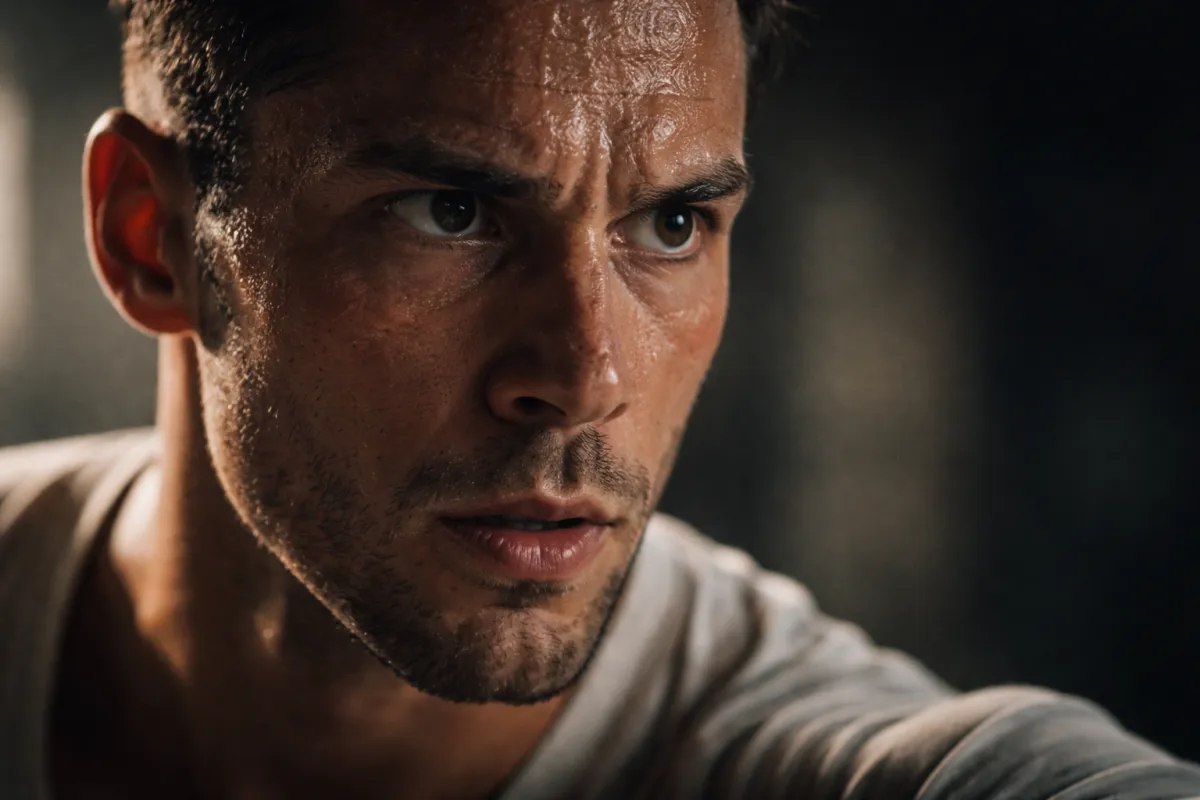
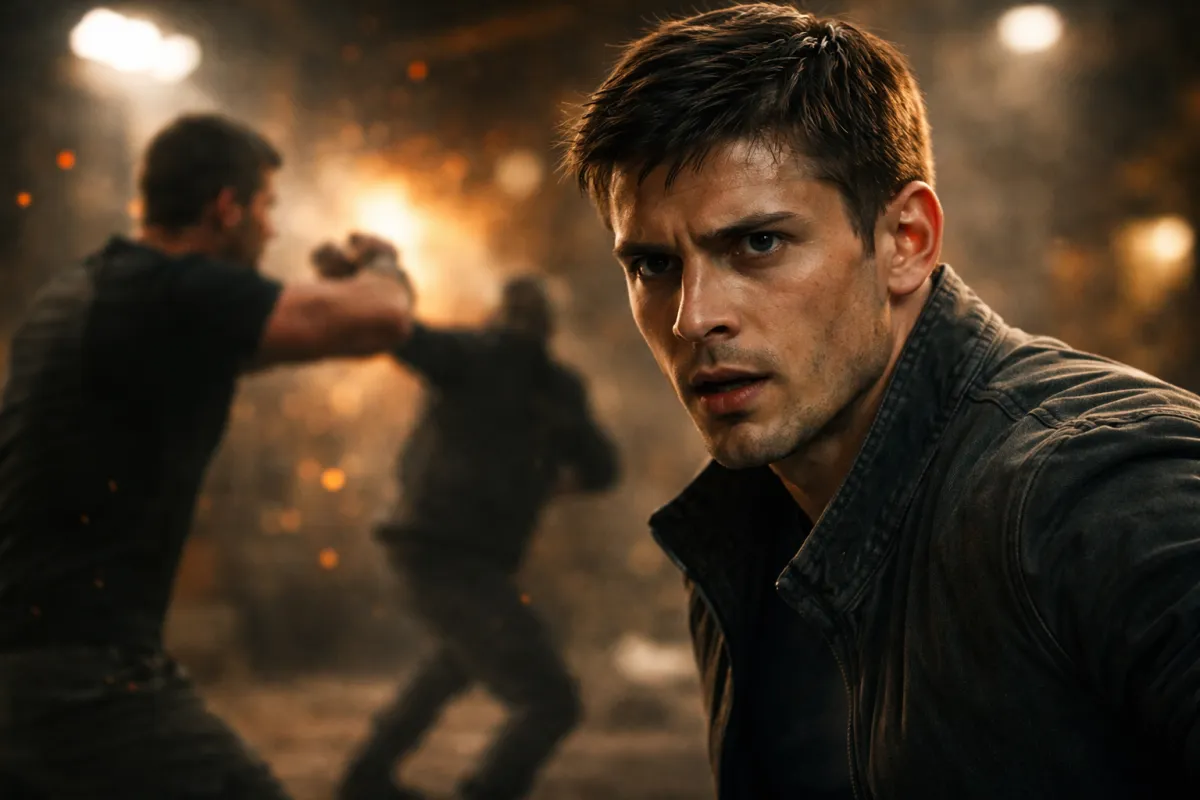
Close-Up Reactions: Captures micro-expressions; great for emotional beats.
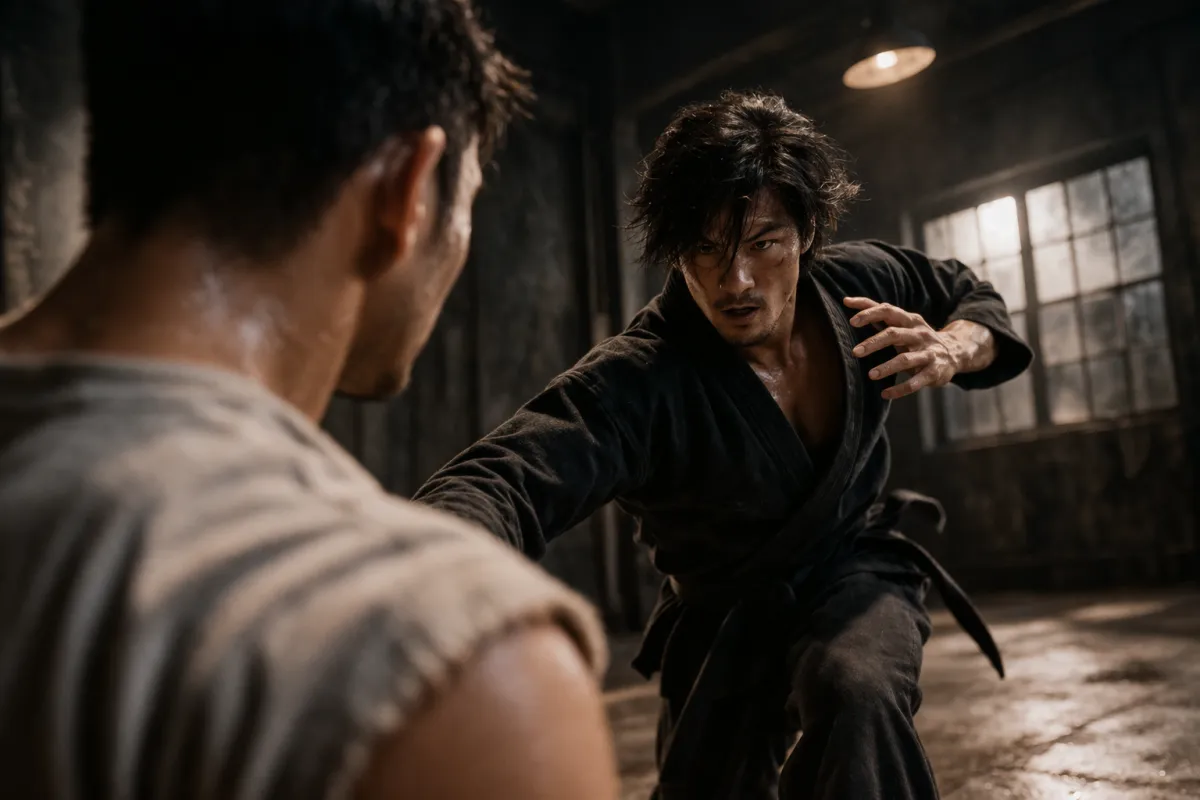
Over-the-Shoulder Reactions: Shows the character’s perspective, connecting them to the action.
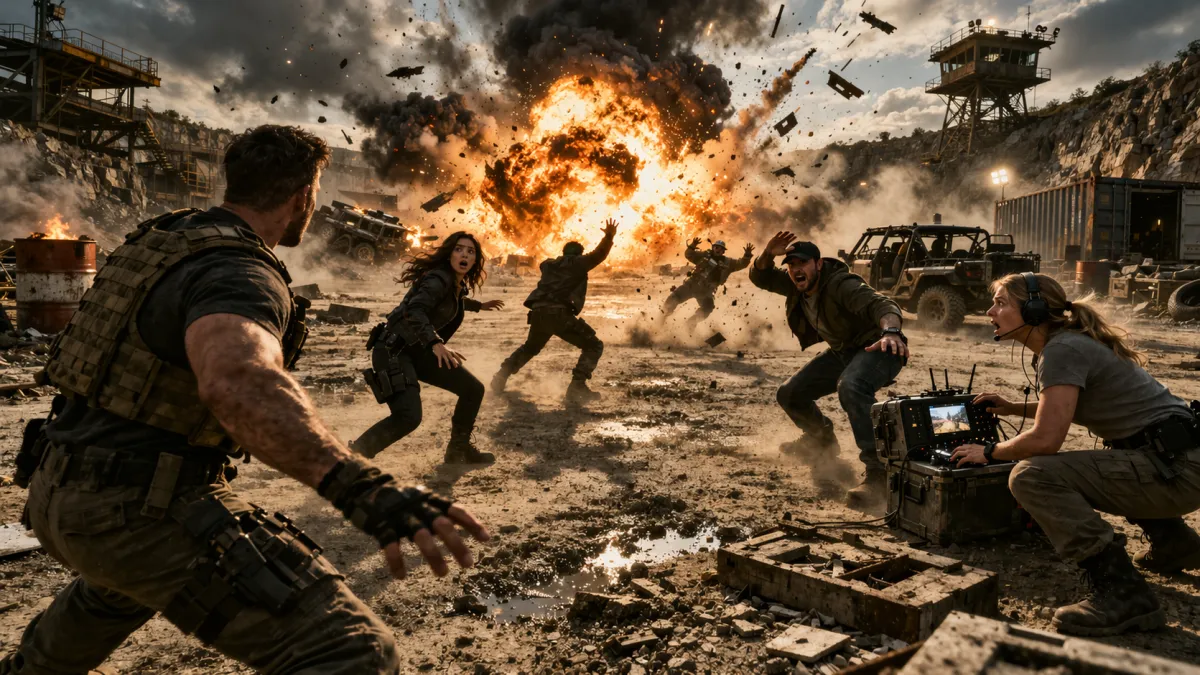
Wide-Angle Reactions: Places the character within context, often showing group dynamics or environmental impact.
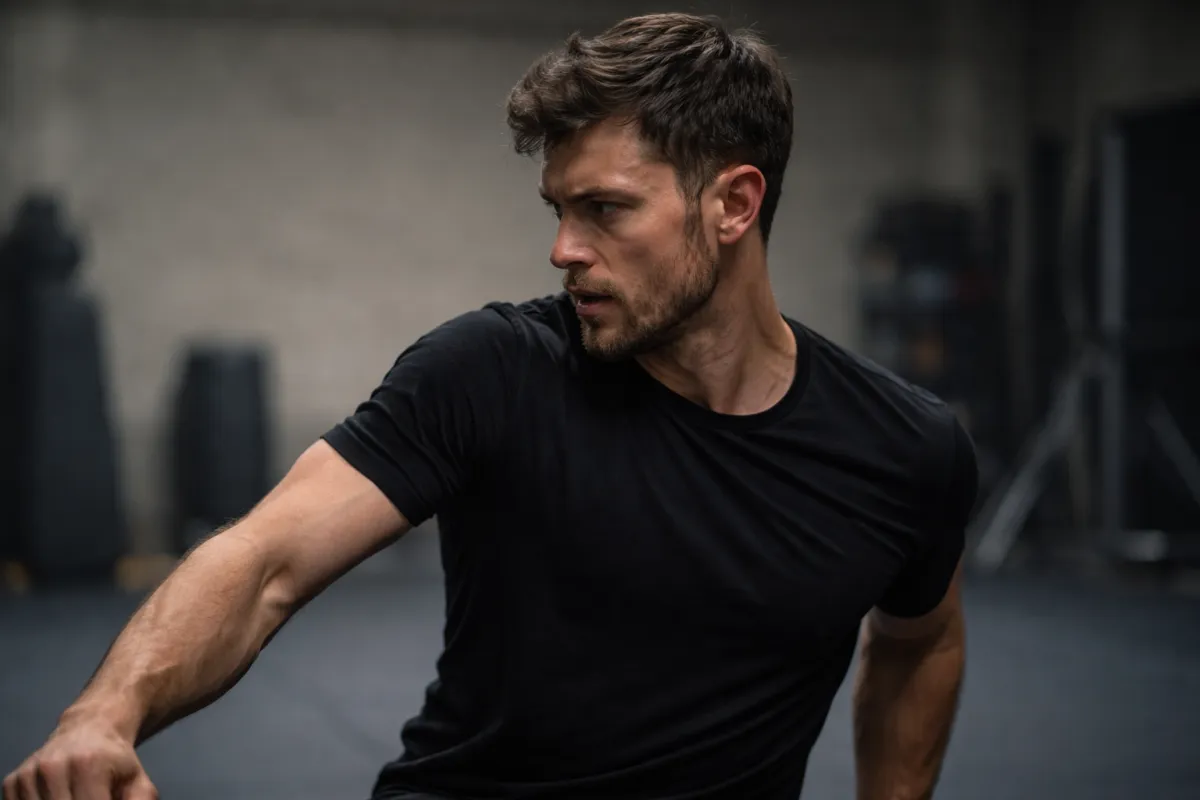
Acting Tips for Effective Reaction Shots
Immediate and Authentic: Reactions should feel spontaneous, not delayed.
Match Intensity: Your response should reflect the severity of the action - a small slap vs. a full-force punch.
Control Your Gaze: Eye lines must match what the character sees - misaligned gaze breaks immersion.
Use Subtle Physicality: Shifts in posture, tensed shoulders, or a slight step back can be more convincing than exaggerated facial expressions.
Pro Tip: Practice reacting to “invisible punches” or simulated stunts to develop reflexive authenticity.
Filmmaking Techniques to Enhance Reaction Shots
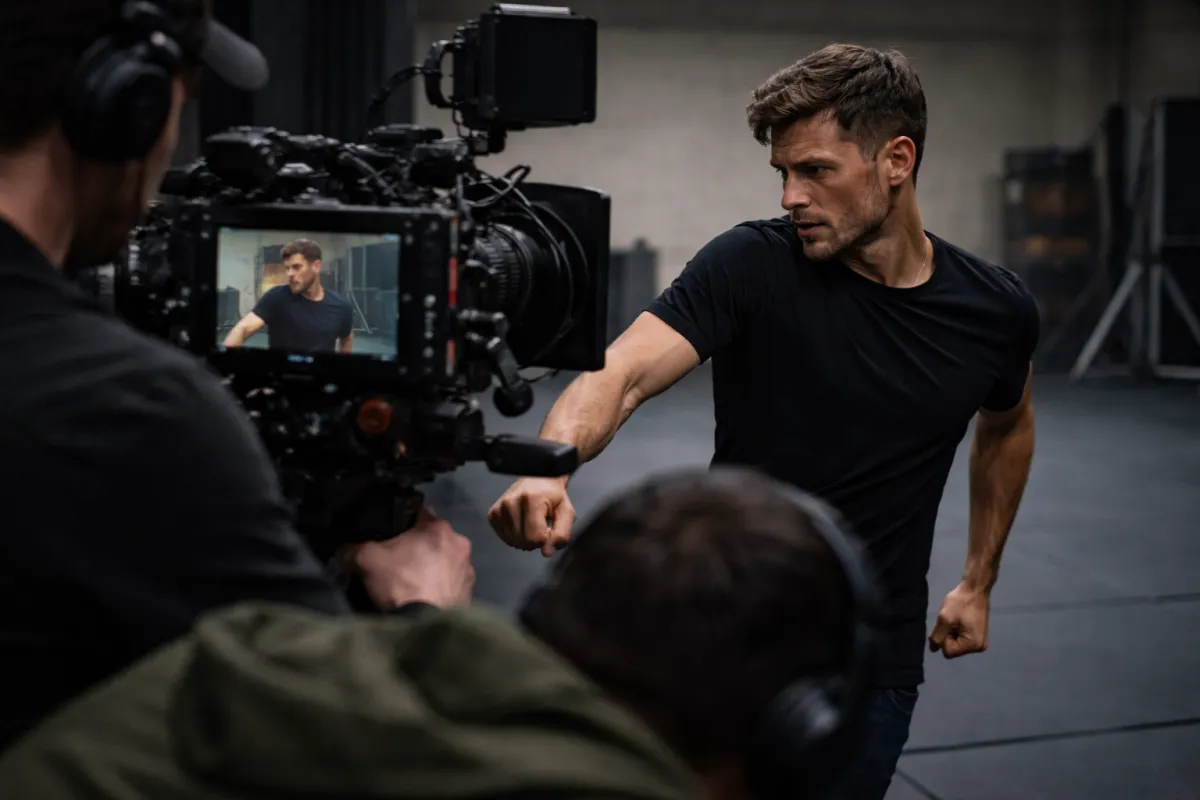
Camera Angles & Lenses: Close-ups with shallow depth-of-field isolate emotion; wider angles maintain scene geography.
Editing Rhythm: Cut to reactions at strategic beats - a fraction of a second too late can lessen impact.
Lighting & Composition: Use shadows, highlights, and framing to emphasize emotional weight.
Sound Integration: Adding subtle diegetic sound (grunts, footsteps, object impacts) enhances the believability of the reaction.
Example: In Mad Max: Fury Road, Furiosa’s reaction shots during chase sequences amplify tension, even when the main vehicles dominate the frame.
Common Mistakes to Avoid
Disconnected Reactions: Delayed or unmotivated responses reduce tension.
Generic Expressions: Reactions that don’t reflect the danger or stakes feel hollow.
Ignoring Spatial Awareness: Reactions must reflect the environment - a character cannot convincingly dodge an unseen threat.
Advanced Tips for Actors
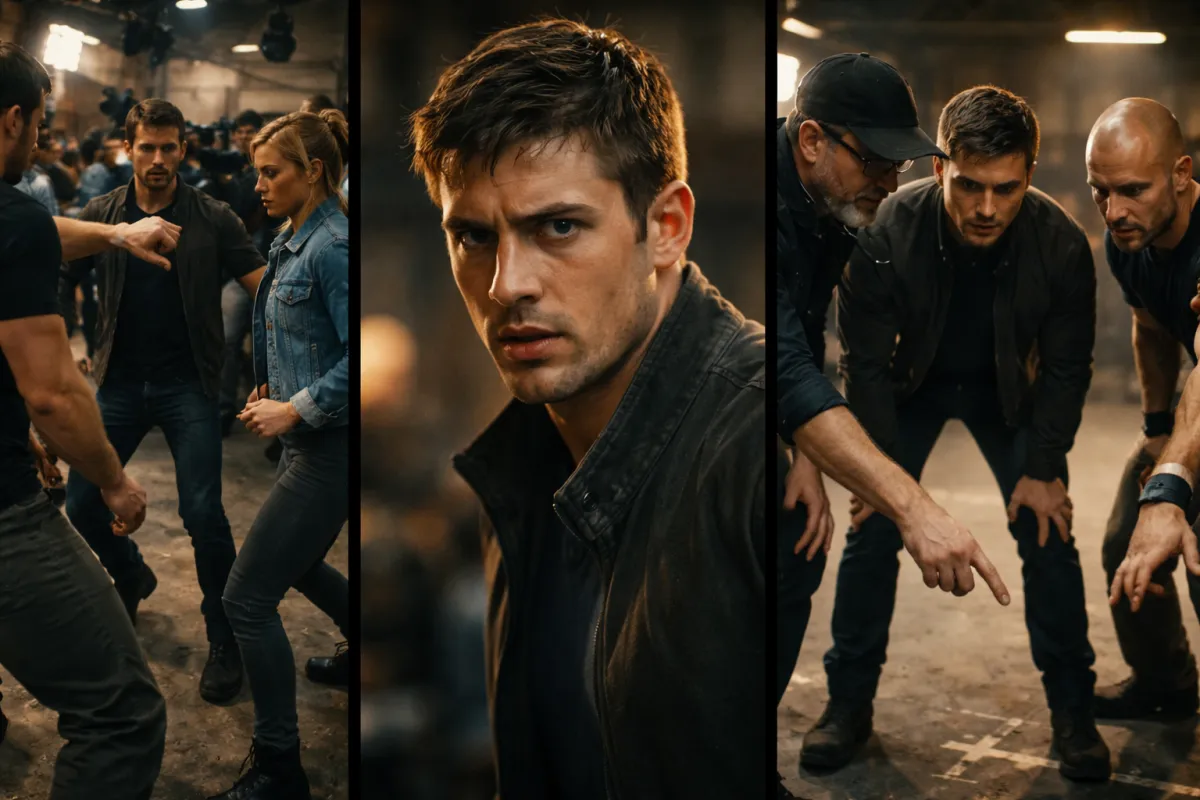
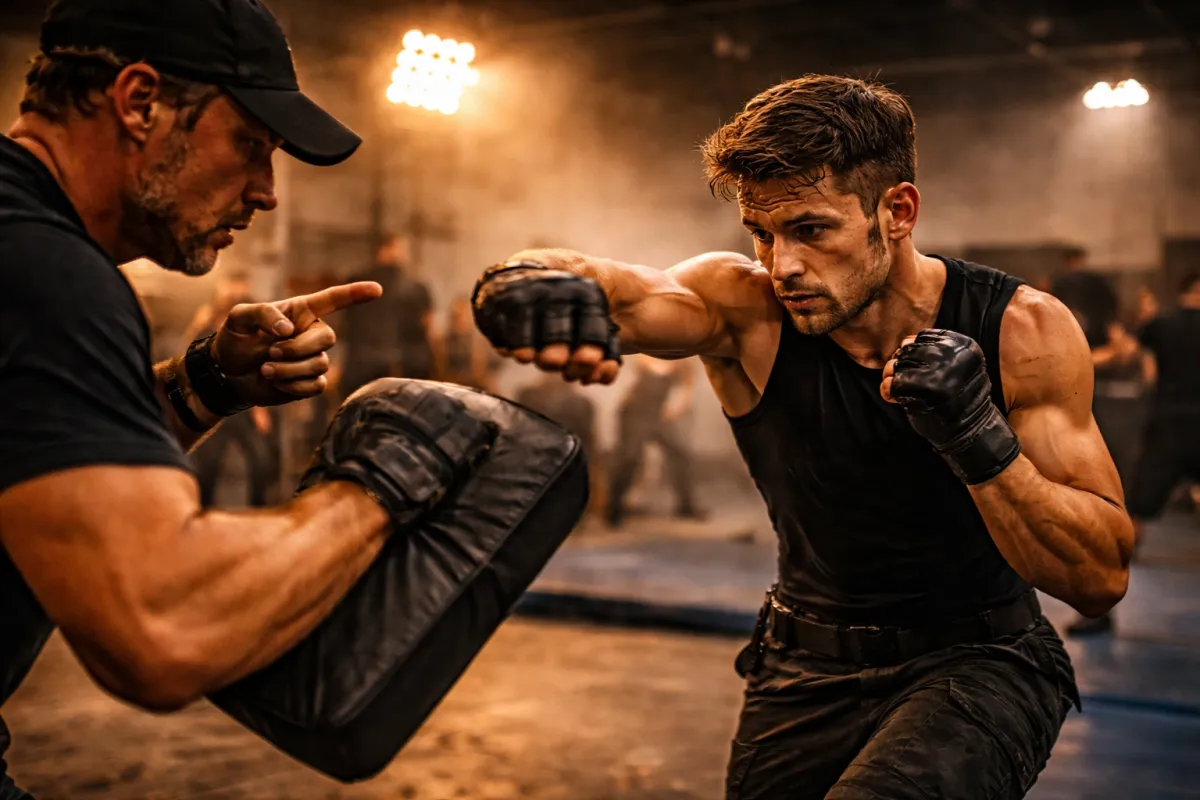
Study real fight choreography and stunt rehearsals to understand timing and safe distances.
Practice micro-reactions - a twitch of the eye, a subtle head tilt, or shoulder tension can make reactions feel layered.
Work with directors and stunt coordinators to anticipate beats so reactions align with on-set choreography.
Final Thoughts
Reaction shots are the heartbeat of action sequences, giving the audience both emotional and spatial orientation. For actors, mastering subtle, authentic reactions elevates performance. For filmmakers, well-placed reaction shots control pacing, tension, and engagement. Every punch, explosion, or chase gains impact when the audience can feel how characters respond in real time.
FAQ
1. What is a reaction shot?
A reaction shot is a cinematic technique where the camera focuses on a character’s facial expression or physical response to an event, often following a dramatic action or moment in the story. These shots highlight emotions like surprise, fear, determination, or triumph, and they are essential for conveying the impact of action scenes on the characters.
2. Why are reaction shots important in action sequences?
Reaction shots help to ground the action in emotion. They provide context and connect the audience with the character’s experience. In action sequences, they allow viewers to see how the characters react to dangerous or thrilling situations, enhancing the emotional stakes and making the action feel more personal and intense.
3. How do reaction shots affect the pacing of an action scene?
While action scenes are often fast-paced, reaction shots help to slow down the tempo and give the audience a chance to process what just happened. They allow for a moment of emotional reflection before the action continues, which can heighten anticipation and make the next sequence more impactful.
4. How do reaction shots enhance character development?
By showing how a character reacts to intense situations, these shots can reveal key aspects of their personality. For example, a calm, collected reaction might showcase a character’s stoicism or confidence, while a panicked or surprised response can illustrate vulnerability or inexperience. Over time, reaction shots can subtly track character growth or change.
5. What makes a good reaction shot in an action sequence?
A good reaction shot focuses on the right emotional response that aligns with the action taking place. The timing is crucial - reaction shots should be placed at moments where the character's response adds depth to the action, without overshadowing or delaying the momentum. The actor's performance is also key; a subtle or nuanced expression can have more impact than an exaggerated one.
6. How do reaction shots contribute to storytelling in action scenes?
In action sequences, the story isn’t just told through the physical moves and stunts but also through the emotional journey of the characters. Reaction shots allow the audience to see how the events affect the characters, making the action feel more meaningful. This helps create an emotional connection and can drive the narrative forward by signaling how characters are reacting to the ongoing conflict.
7. Can reaction shots be used to create suspense?
Yes, reaction shots are an excellent tool for building suspense. By showing a character’s fearful or uncertain reaction, the filmmaker can draw out the tension before revealing what happens next. This moment of suspense can create a stronger payoff when the action resumes.
8. How do reaction shots differ from other shots in action sequences?
While action shots focus on the physical movements and choreography of the scene, reaction shots shift the focus to the emotional impact of those actions. Action shots typically involve wide or medium shots to show the full scope of movement, while reaction shots often focus on close-ups to capture subtle emotional responses. This contrast helps to balance the excitement of the action with emotional depth.
9. Are reaction shots used differently in fight scenes compared to other types of action?
In fight scenes, reaction shots can serve to highlight the physical toll on a character—such as exhaustion, pain, or surprise. They might also emphasize a pivotal moment, like when one fighter gains the upper hand. In contrast, reaction shots in other types of action (like chase scenes or explosions) may focus more on fear, surprise, or awe.
10. How can reaction shots influence the audience’s emotional connection to the action?
By showing how characters feel about the action, the audience is invited to emotionally invest in the scene. For example, a character’s shocked or anguished reaction to a close call can make the audience feel that tension more intensely. It also helps the audience empathize with the character's struggle or triumph, enhancing the overall impact of the action.
Final Thoughts
Reaction shots are the heartbeat of action sequences, giving the audience both emotional and spatial orientation. For actors, mastering subtle, authentic reactions elevates performance. For filmmakers, well-placed reaction shots control pacing, tension, and engagement. Every punch, explosion, or chase gains impact when the audience can feel how characters respond in real time.
Are You Ready to Take Your Career to the Next Level?
Join Movie Martial Arts
Get access to exclusive training, tutorials, and resources that will transform your career.
CONTINUE LEARNING
If you want to break down iconic martial arts fight scenes, check out these related INSIGHTS articles:
Breakdown of Iconic Film Fight Scene – See how professional choreography creates some of the most memorable fight scenes.
How Movie Fight Scenes Are Created: A Complete Guide to Cinematic Action – Explore the entire process of creating cinematic fight sequences from choreography to camera angles.
Analyzing Fight Scene Pacing – Learn how pacing affects the energy and emotional impact of a fight scene.
Camera Angles in Fight Scenes – Understand how different camera angles enhance the dynamics of martial arts choreography.
The Role of Reaction Shots in Action Sequences – Discover how reaction shots build emotional depth and suspense in fight scenes
How to Become a Stunt Performer in Film and Television – Learn the necessary steps to break into stunt performing in the film and TV industry.