1 June 2026 MOVIE MARTIAL ARTS
The Ultimate Guide to Martial Arts Movies 2026: History, Styles & Legendary Fight Scenes
Martial arts movies have captivated audiences for decades with breathtaking fight choreography, legendary performers, and unforgettable cinematic battles.
From the explosive kung fu films of Hong Kong cinema to modern action blockbusters, martial arts movies have influenced the global film industry and shaped how fight scenes are created on screen.
This guide explores the history of martial arts cinema, the stars who defined the genre, and the legendary fight scenes that changed action filmmaking forever.
The Origins of Martial Arts Cinema
Martial arts films emerged as a major genre in the mid-20th century, particularly within Hong Kong cinema.
Early filmmakers combined traditional martial arts storytelling with cinematic innovation, creating films that showcased combat techniques, heroism, and moral philosophy.
The international popularity of martial arts films exploded in the 1970s thanks to legendary performers such as Bruce Lee, whose films introduced global audiences to the speed, power, and philosophy of martial arts.
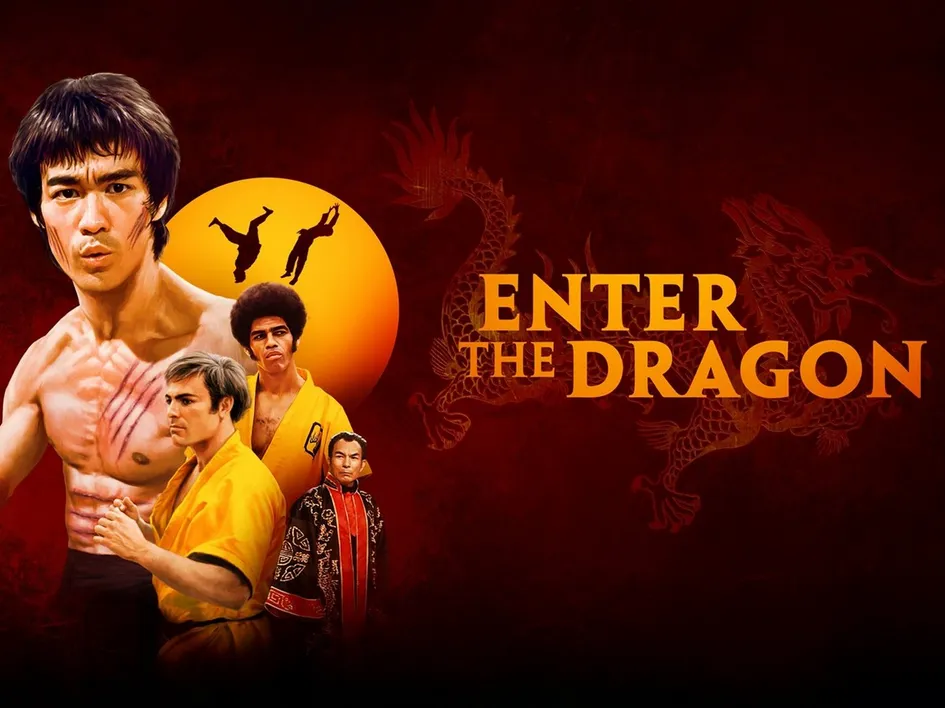
Bruce Lee’s groundbreaking movies, including Enter the Dragon, helped bring martial arts cinema into the mainstream and inspired countless action filmmakers.
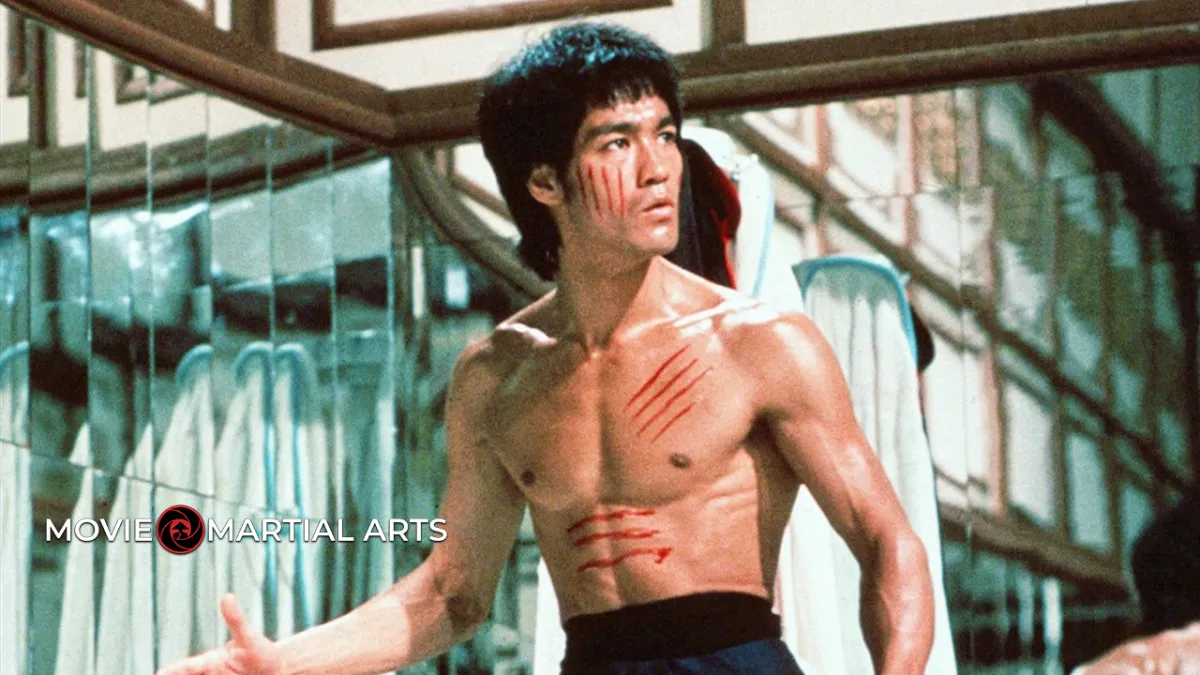
Bruce Lee performing martial arts fight choreography in the classic film Enter the Dragon.
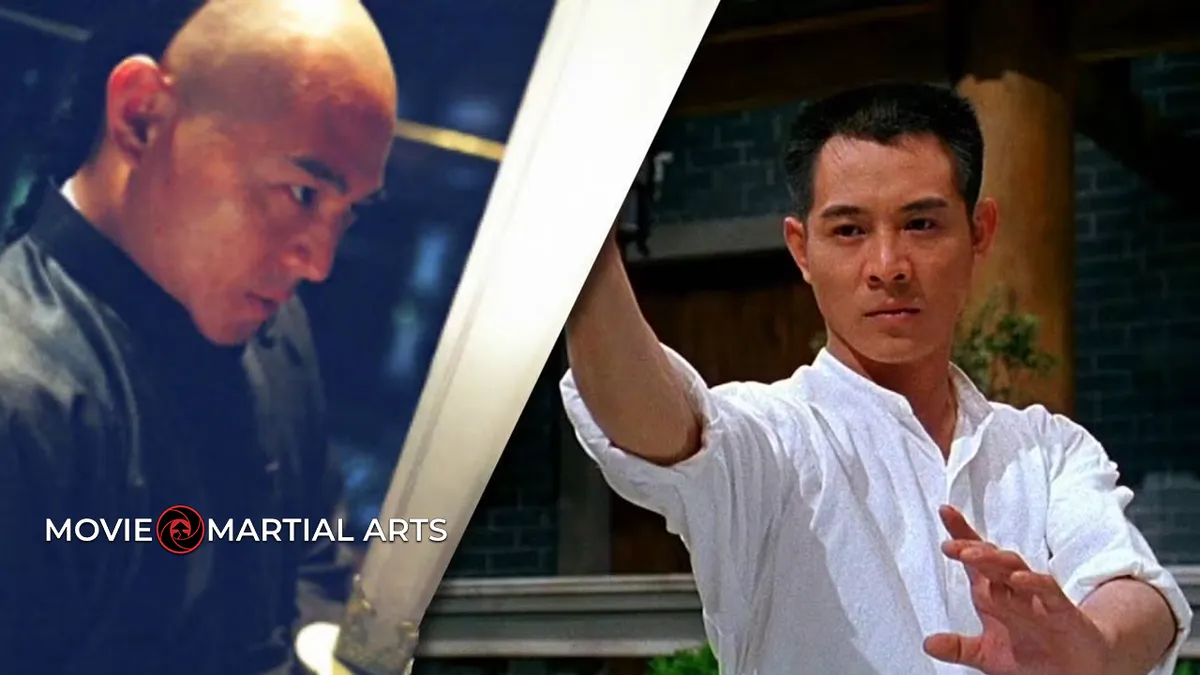
Jet Li's speed, precision, and elegance defined modern martial arts film choreography.
The Golden Era of Martial Arts Films
During the 1970s and 1980s, martial arts movies became a global phenomenon.
Hong Kong studios produced dozens of action films featuring incredible stunt work and innovative fight choreography.
One of the most influential performers of this era was Jackie Chan, whose unique style blended martial arts, acrobatics, and comedy.
Films like Police Story redefined action cinema by incorporating dangerous stunts and dynamic fight choreography.
Meanwhile, performers such as Jet Li introduced audiences to elegant and highly technical martial arts styles that emphasized speed and precision.
Legendary Martial Arts Movie Stars
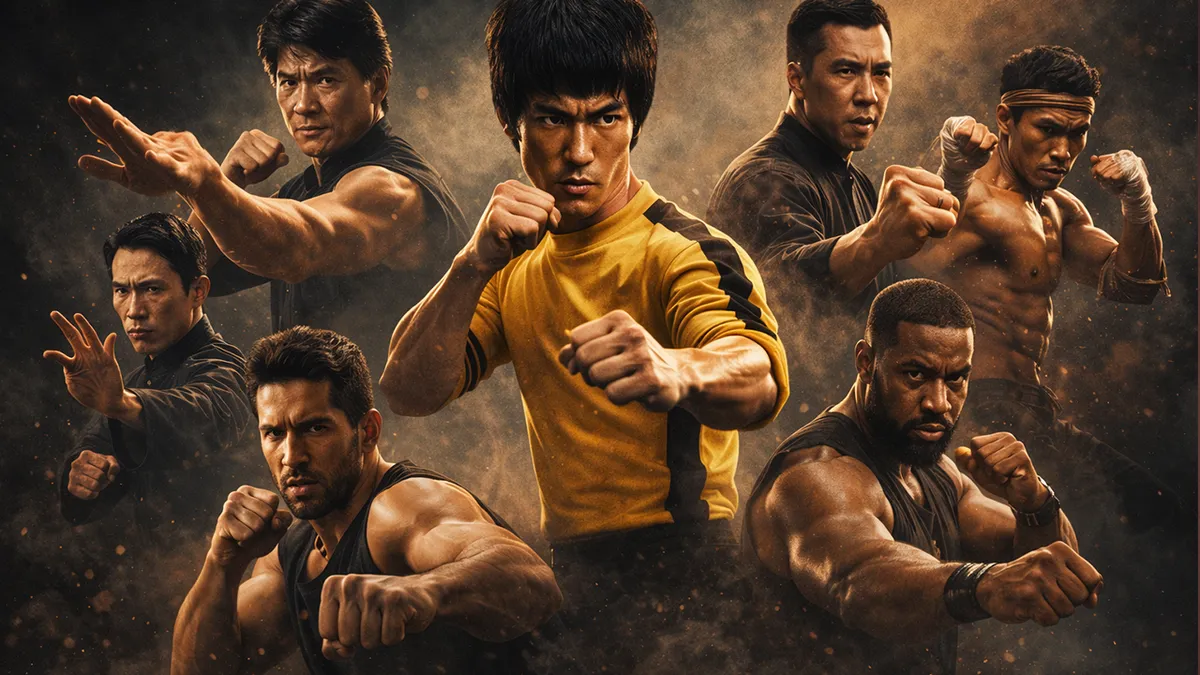
Over the decades, many martial artists have become global film icons.
These performers combine exceptional fighting ability with cinematic presence, making their fight scenes both believable and thrilling.
Some of the most influential martial arts film stars include:
• Bruce Lee
• Jackie Chan
• Jet Li
• Donnie Yen
• Tony Jaa
• Scott Adkins
• Michael Jai White
These performers helped popularize martial arts styles such as kung fu, Wing Chun, Muay Thai, and taekwondo through their film performances.
The Art of Fight Choreography
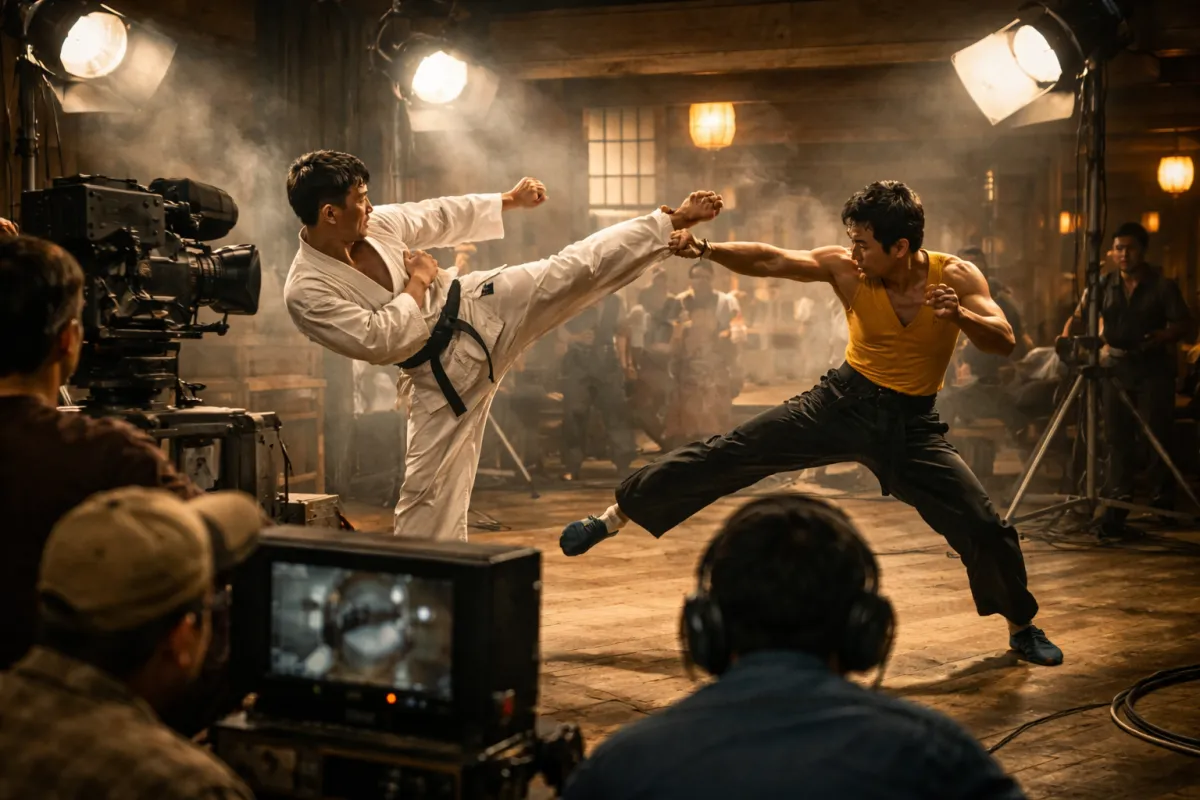
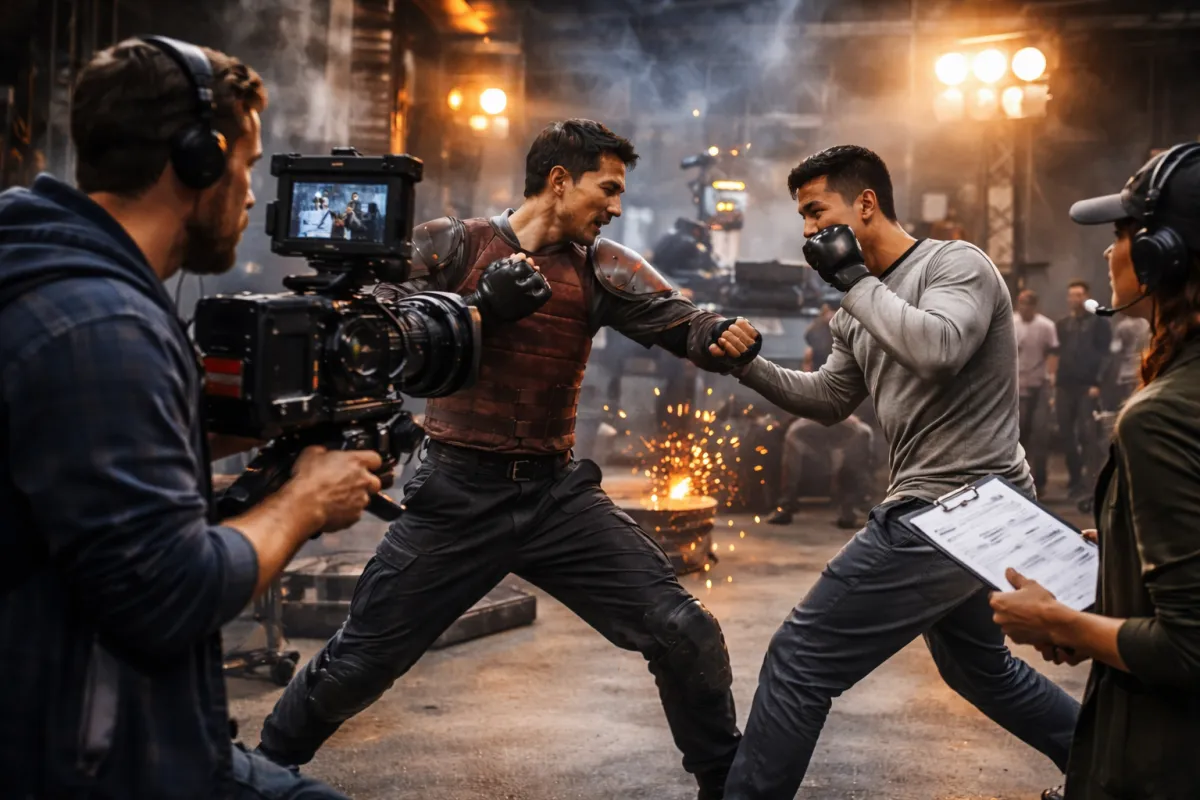
One of the defining features of martial arts movies is the artistry of fight choreography.
Unlike typical action films that rely heavily on editing and visual effects, martial arts movies showcase real physical skill and carefully designed combat sequences.
Fight choreographers work closely with directors, stunt coordinators, and performers to create scenes that balance realism with cinematic excitement.
These sequences often require months of rehearsal and precise coordination.
🔗 Readers interested in this topic can explore:
How Movie Fight Scenes Are Created: A Complete Guide to Cinematic Action
The Greatest Martial Arts Fight Scenes in Cinema
Many martial arts films are remembered for their unforgettable fight sequences.
These scenes combine powerful performances, expert choreography, and cinematic storytelling.
One example is the famous duel between Bruce Lee and Chuck Norris in The Way of the Dragon, widely regarded as one of the greatest martial arts fights ever filmed.
Another iconic moment is the intense multi-opponent battle performed by Donnie Yen in Ip Man.
🔗 Explore more legendary battles in:
The 10 Greatest Martial Arts Movie Fight Scenes of All Time
Martial Arts Movies and Modern Action Cinema
The influence of martial arts movies extends far beyond the genre itself.
Many modern action films incorporate martial arts choreography techniques that originated in Hong Kong cinema.
For example, the groundbreaking fight choreography in The Matrix was heavily inspired by traditional martial arts film techniques.
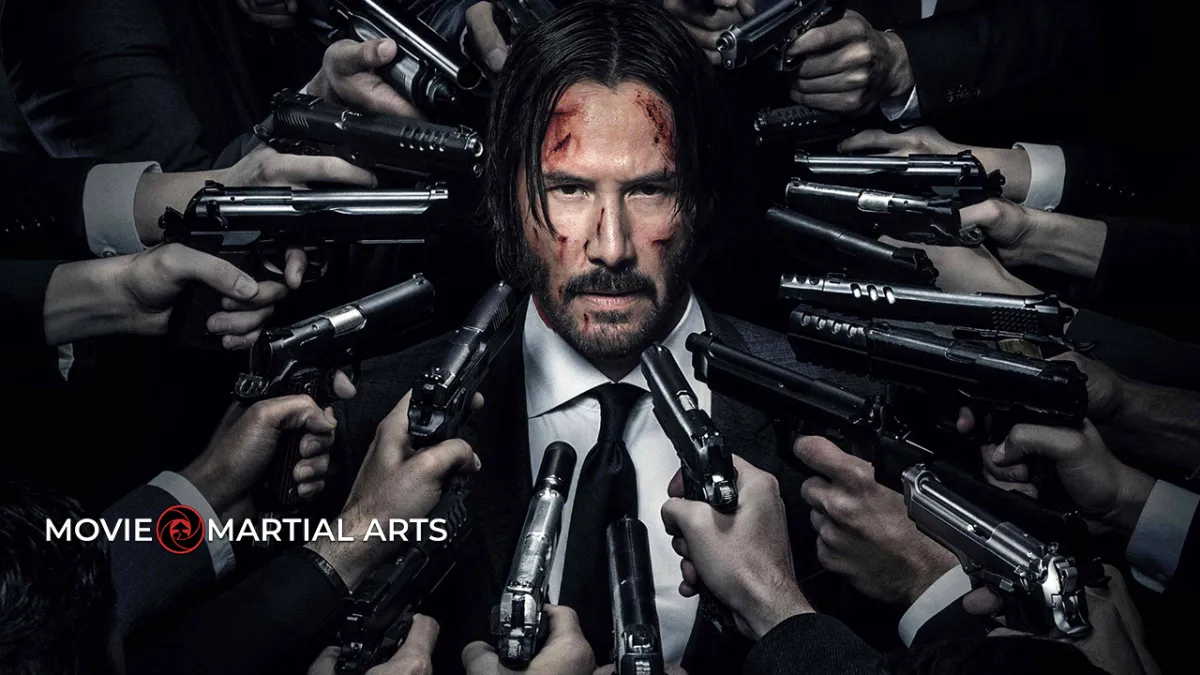
Similarly, the John Wick series combines martial arts with tactical combat to create a modern action style sometimes referred to as “gun-fu.”
These films demonstrate how martial arts choreography continues to shape the evolution of action cinema.
The Global Rise of Martial Arts Films
Today, martial arts movies are produced around the world.
Filmmakers combine different fighting styles and cultural influences to create unique action experiences.
Stars such as Tony Jaa introduced audiences to the devastating techniques of Muay Thai, while performers like Scott Adkins showcase dynamic kicking and modern stunt choreography.
This global exchange of martial arts traditions continues to expand the genre.
The Future of Martial Arts Cinema
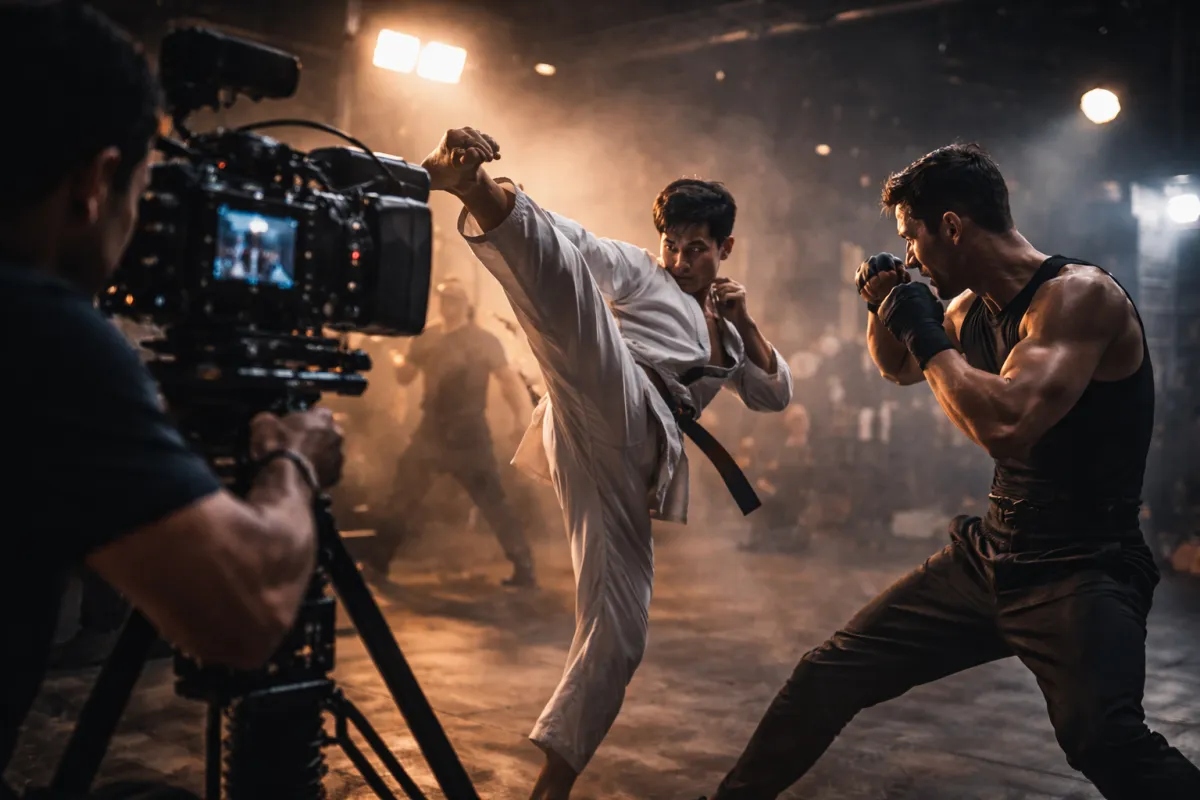
Martial arts movies continue to evolve with new filmmaking technologies and performance styles.
Modern productions now incorporate:
• advanced stunt coordination
• motion capture technology
• long-take fight choreography
• hybrid martial arts styles
Streaming platforms and international collaborations are also helping martial arts films reach wider audiences than ever before.
🔗 Related article:
Emerging Trends in Martial Arts Films
The Greatest Martial Arts Movies of All Time
Over the decades, martial arts cinema has produced some of the most influential action films ever made. These movies are celebrated not only for their incredible fight choreography but also for their storytelling, cultural impact, and legendary performers.
Here are some of the most widely regarded martial arts movies that helped define the genre.
Influential Martial Artists Who Changed the World
Throughout history, certain martial artists have had an extraordinary impact on how martial arts are practiced, taught, and portrayed.
Enter the Dragon (1973)
Starring Bruce Lee, this film introduced martial arts cinema to a global audience and remains one of the most influential action movies ever produced.
Its intense fight sequences, philosophical themes, and charismatic lead performance helped establish Bruce Lee as an international icon.
Troy’s Take: “This film isn’t just a martial arts movie - it set the global standard. Bruce Lee’s precision, speed, and on-screen charisma make every scene a lesson in fighting and filmcraft.”
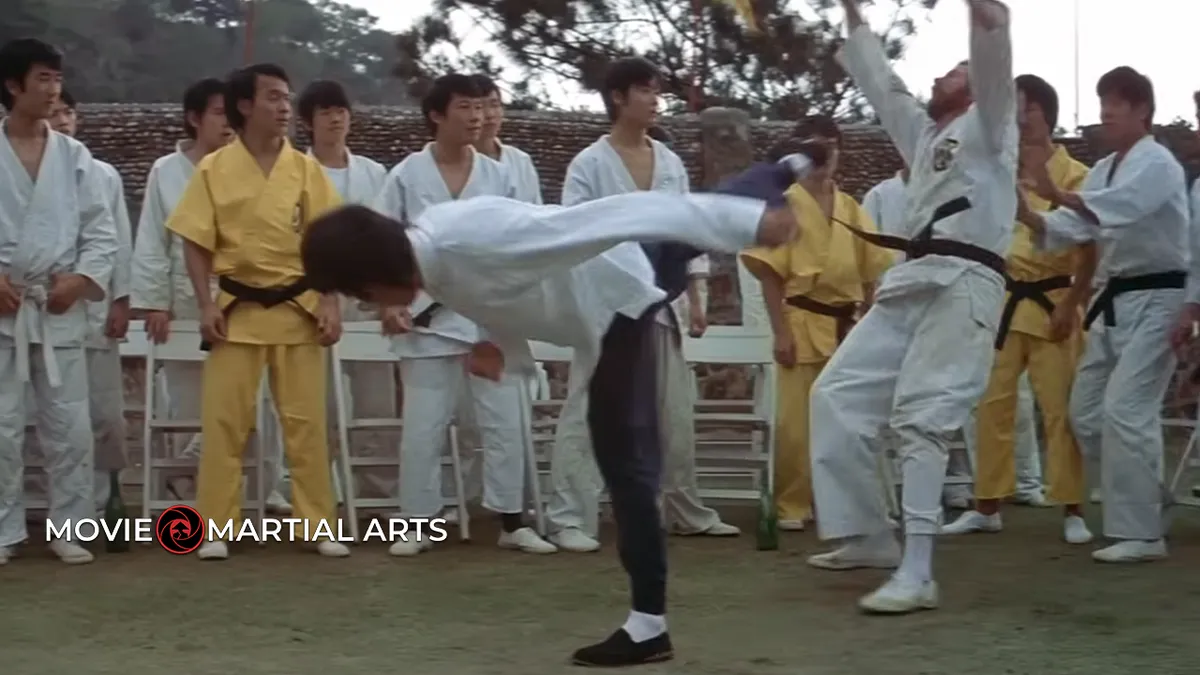
Bruce Lee demonstrating powerful martial arts techniques in the classic film Enter the Dragon.
Police Story (1985)
Directed by and starring Jackie Chan, this film revolutionized action cinema by combining martial arts combat with jaw-dropping stunt work.
The film's famous shopping mall fight scene is still considered one of the greatest stunt sequences in movie history.
Troy’s Take: “Jackie Chan’s blend of comedy, acrobatics, and danger makes the fight scenes unforgettable. Every stunt feels real - a perfect showcase of disciplined skill and creativity.”
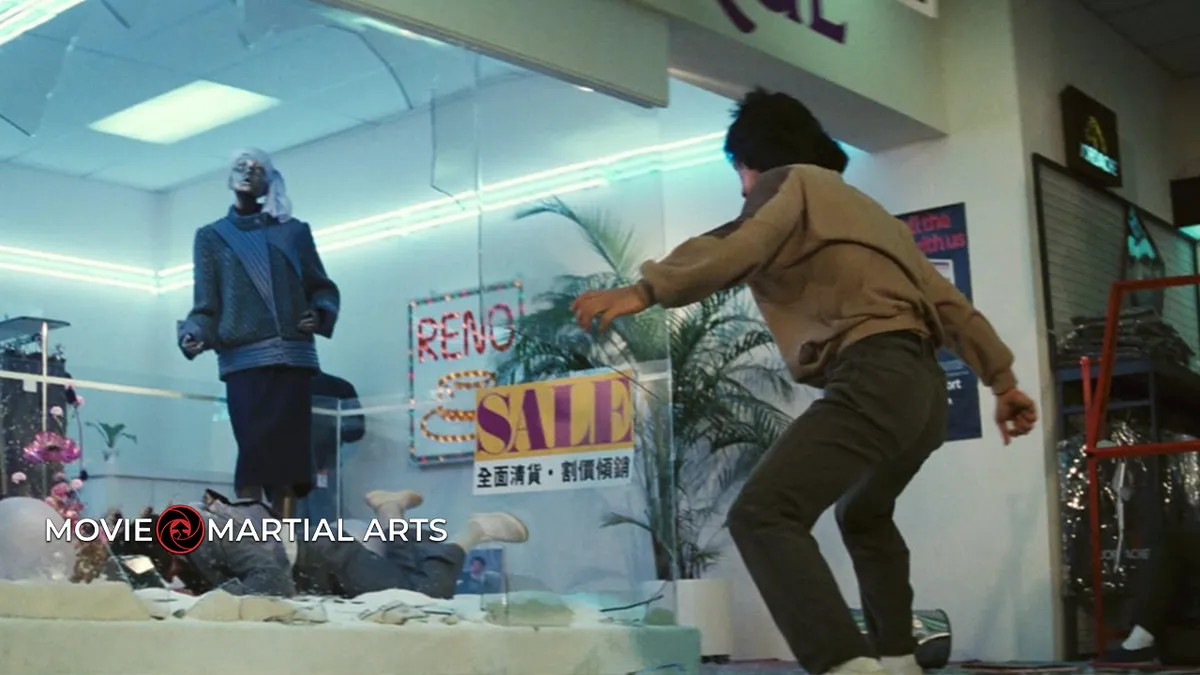
Jackie Chan performing a dangerous stunt during the shopping mall fight scene in Police Story.
Hero (2002)
Starring Jet Li and Donnie Yen, this visually stunning film blends martial arts combat with poetic cinematography and historical storytelling.
The fight sequences feel almost like moving works of art.
Troy’s Take: “The choreography here is almost poetic. Every movement tells a story, blending martial arts elegance with cinematic style - a visual feast so to speak. One of my favorites. Hard to beat!”
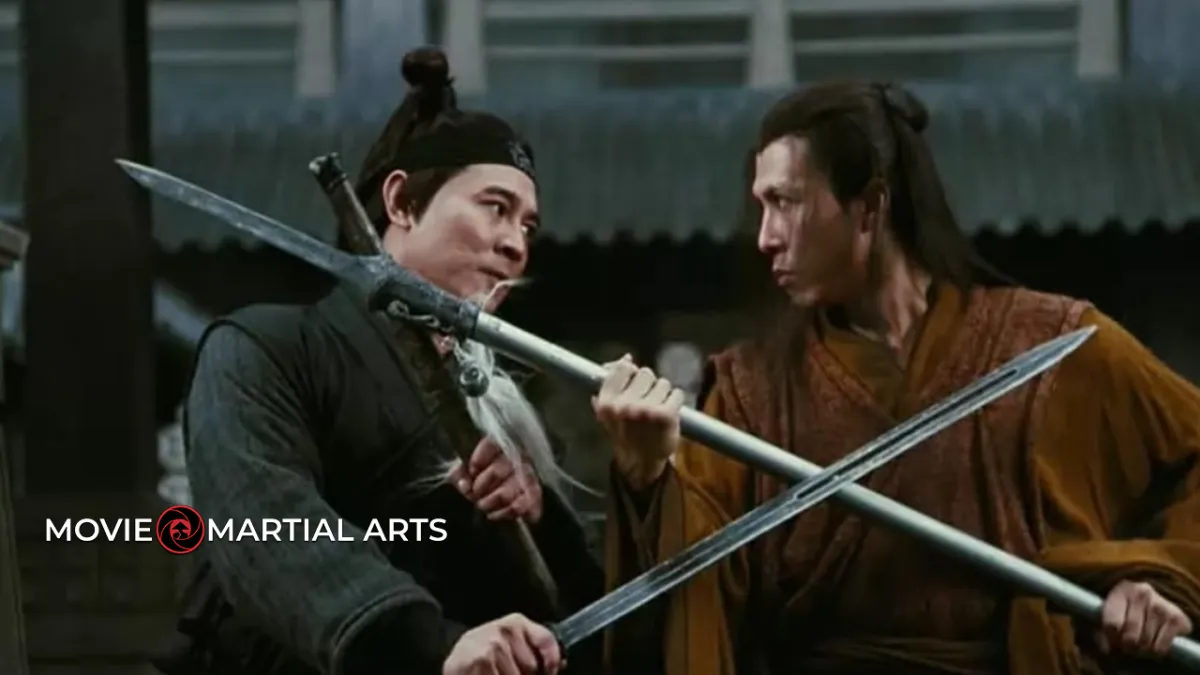
Jet Li and Donnie Yen performing elegant martial arts choreography in the film Hero.
Ip Man (2008)
This film introduced global audiences to Wing Chun master Ip Man, portrayed by Donnie Yen.
The film’s powerful fight choreography and emotional storytelling made it one of the most influential martial arts films of the modern era.
Troy’s Take: “This film showcases Wing Chun like never before. Donnie Yen’s fluid strikes and the intense pacing make every fight feel authentic and exhilarating - a masterclass in technique and cinematic timing. EPIC!”
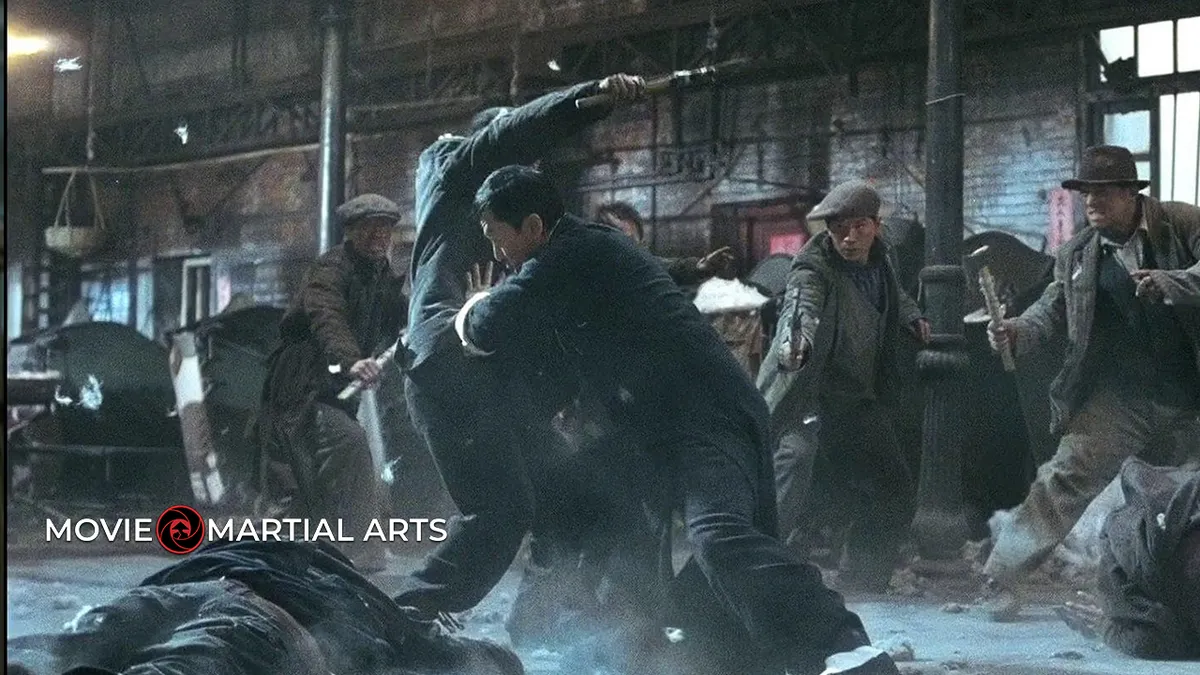
Donnie Yen performing rapid Wing Chun techniques in the martial arts film Ip Man.
The Protector (2005)
Featuring Muay Thai superstar Tony Jaa, this film is famous for its breathtaking long-take staircase fight sequence, one of the most ambitious martial arts scenes ever filmed.
Troy’s Take: “Tony Jaa’s Muay Thai is breathtaking in this film. The long-take staircase fight is pure adrenaline - a combination of raw athleticism and creative choreography that defines modern action cinema. This guy's the deal!”
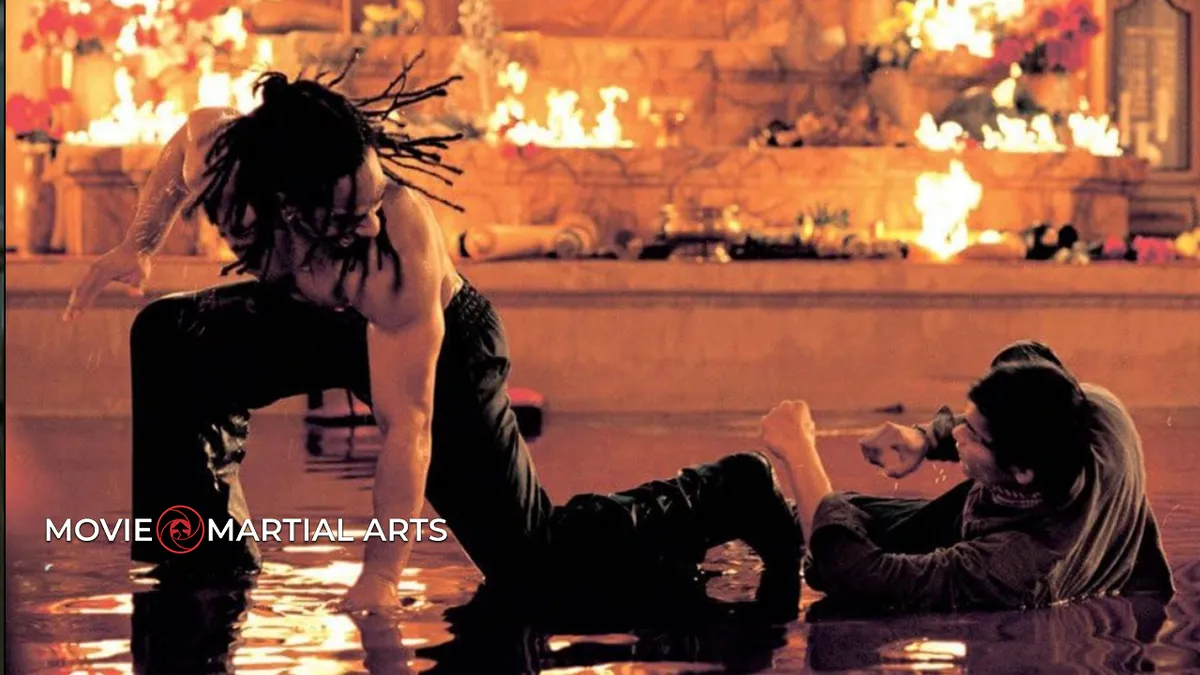
Tony Jaa performing explosive Muay Thai strikes during the action film The Protector.
Why These Films Matter
These legendary films helped define martial arts cinema by combining:
• authentic martial arts techniques
• innovative stunt choreography
• cinematic storytelling
• unforgettable performances
They also inspired generations of martial artists and filmmakers while influencing the development of modern action films.
Readers interested in the greatest individual fight scenes from martial arts movies can explore:
🔗 The 10 Greatest Martial Arts Movie Fight Scenes of All Time
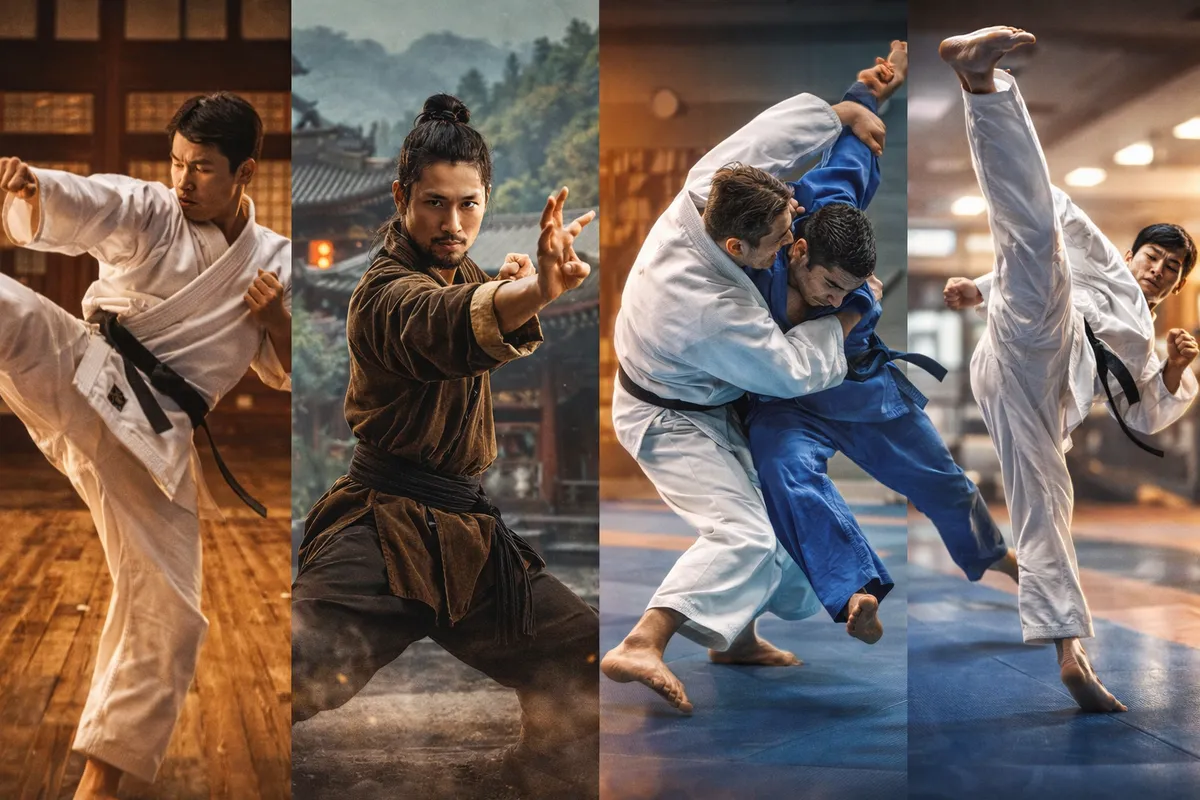
Final Thoughts
From the explosive energy of classic kung fu films to the highly choreographed action of modern cinema, martial arts movies remain one of the most exciting genres in film history.
These films celebrate discipline, skill, and cinematic storytelling while continuing to inspire new generations of martial artists, stunt performers, and filmmakers.
For fans of martial arts and action cinema alike, the legacy of martial arts movies is far from finished - the next generation of legendary fight scenes is already being created.
Are You Ready to Take Your Career to the Next Level?
Join Movie Martial Arts
Get access to exclusive training, tutorials, and resources that will transform your career.
CONTINUE LEARNING
For a deeper look at the martial arts film industry, explore these related INSIGHTS articles:
Inside the Stunt Coordinator’s Mind: Casting & Safety – Gain valuable insights into the decision-making process of stunt coordinators.
Emerging Trends in Martial Arts Films – Discover the latest trends shaping martial arts cinema and the future of the genre.
The 10 Greatest Martial Arts Fight Scenes in Movie History – Take a journey through the most iconic fight scenes that changed the film industry.
The Ultimate Guide to Martial Arts Movies: History, Styles, and Legendary Fight Scenes – Learn about the history, evolution, and iconic styles that define martial arts films.
Legendary Martial Arts Movie Stars: The Icons Who Shaped Action Cinema – Dive into the lives and legacies of martial arts legends who revolutionized action movies.
How to Become a Stunt Performer in Film and Television – Learn how to get started in the stunt performing industry and build a career in film and TV.