1 June 2026 MOVIE MARTIAL ARTS
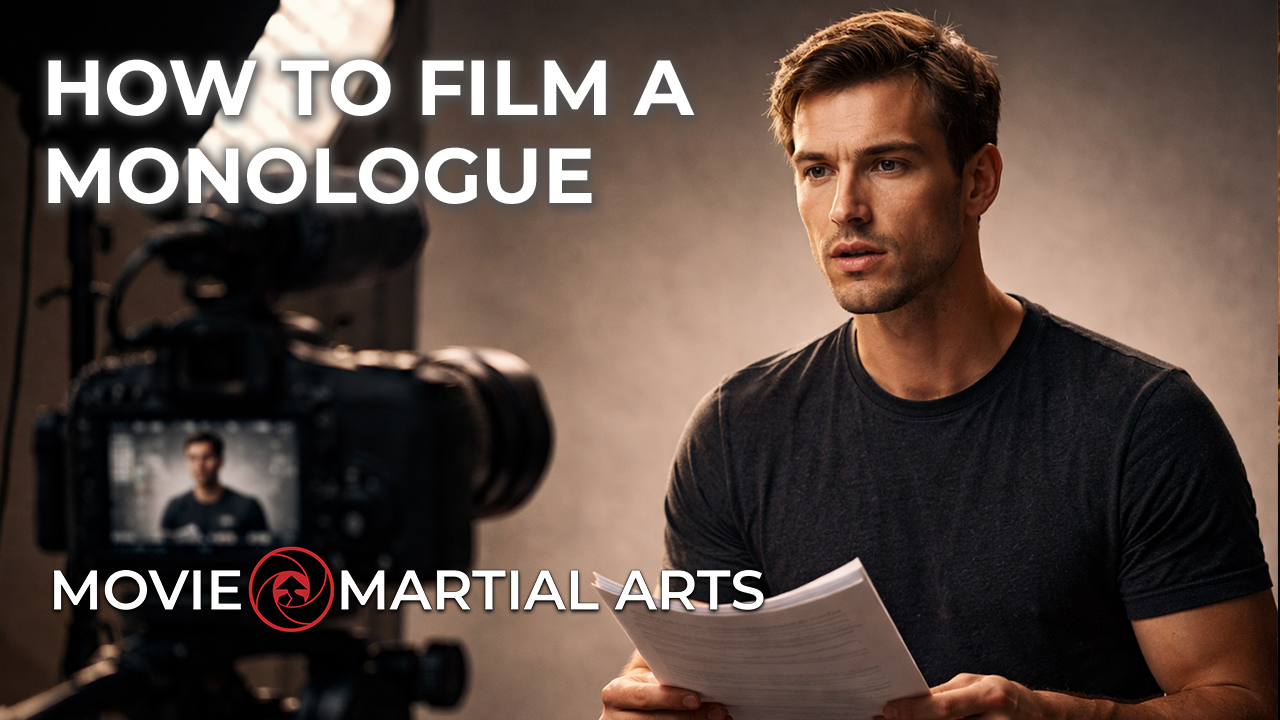
How to Film a Monologue That
Actually Gets You Noticed
Most monologues don’t fail because of bad acting.
They fail because of poor execution.
Framing.
Lighting.
Energy.
Presence.
And no one tells actors the truth about it.
Casting directors don’t reject self-tapes because they enjoy being critical.
They reject them because something feels off - technically, visually, or emotionally.
On a professional film set, nothing is accidental.
Your self-tape shouldn’t be either.
1. Understand the Medium - This Is Screen, Not Stage
The camera sees everything.
The smallest flicker in your eyes.
The slightest tension in your jaw.
The moment you stop listening and start “performing.”
A monologue for screen is not projection.
It’s presence.
If it feels pushed, it reads false.
If it feels internal but alive, it reads powerful.
Before pressing record, ask yourself:
Who am I speaking to?
What do I want from them?
What changes during this speech?
Without intention, even technically perfect footage feels empty.
2. Your Setup Is Speaking Before You Do
Before you say a single line, casting is already forming an impression.
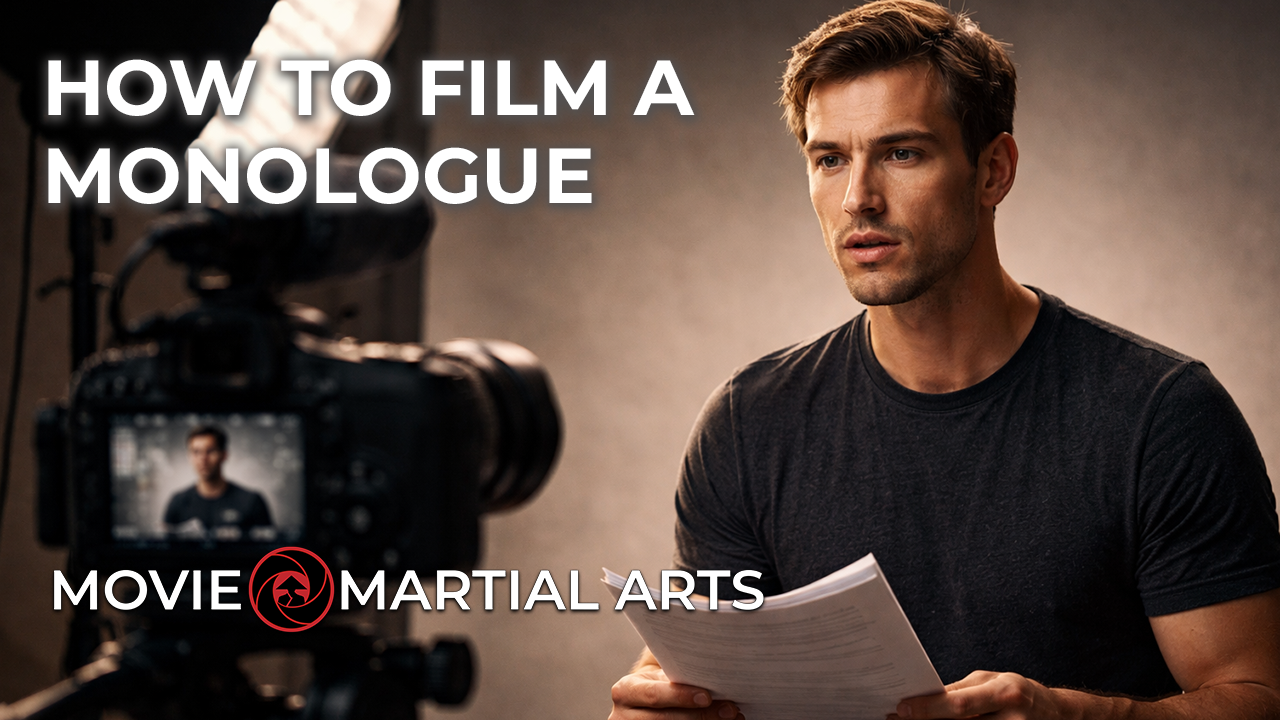
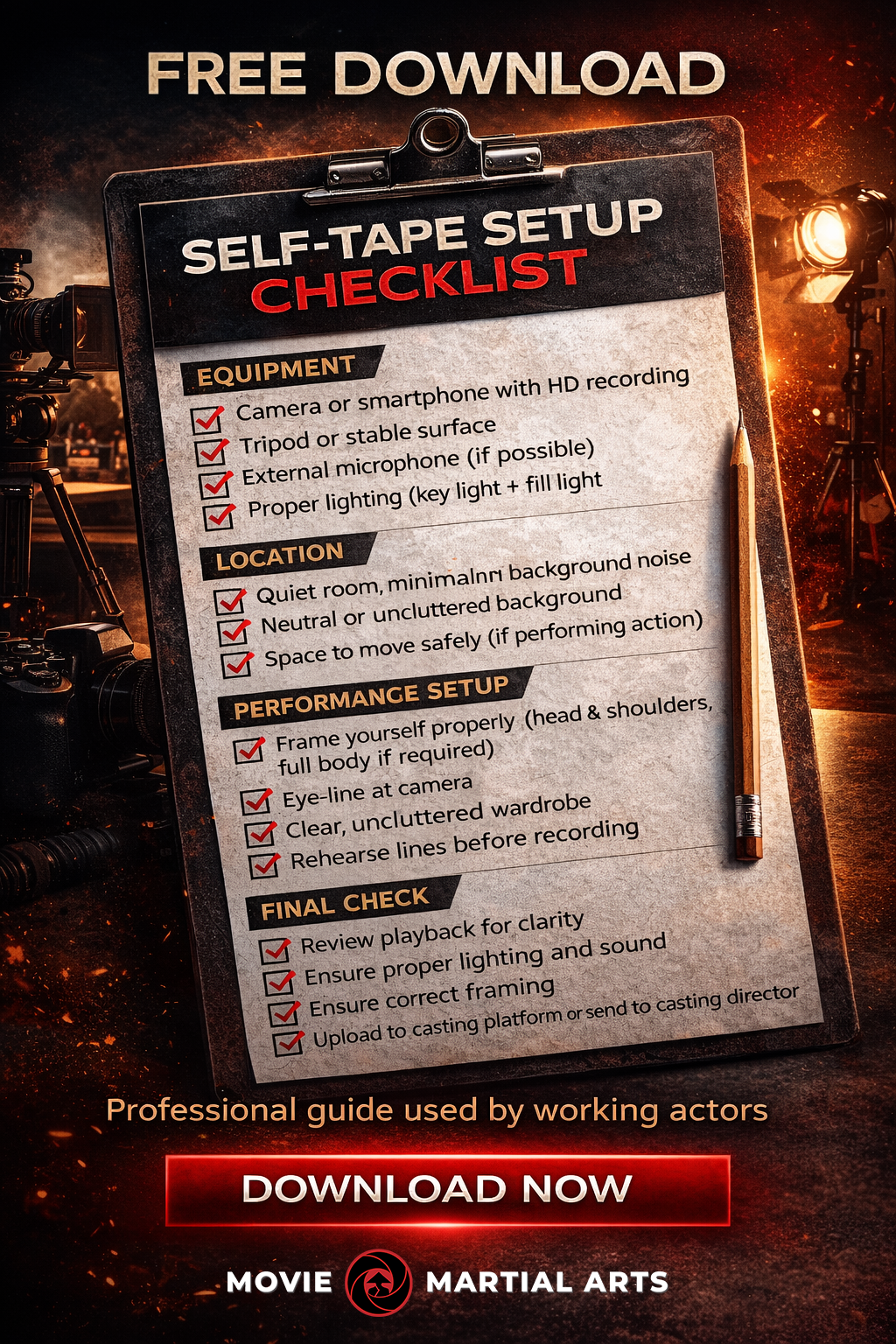
Framing
Head and shoulders (unless full body is requested)
Eyes roughly one-third from the top of frame
Camera at eye level - not looking down, not looking up
Background
Neutral. Clean. Uncluttered.
No distractions behind you.
You are the focus.
Lighting
Good lighting doesn’t make you look “pretty.”
It makes you look clear.
Face evenly lit
No harsh shadows across eyes
No overhead-only lighting
Avoid strong backlighting
You don’t need expensive equipment.
You need clarity.
Professional is clean.
Clean is confident.
3. Sound Quality Is Non-Negotiable
If casting struggles to hear you, they stop listening emotionally.
Record in a quiet space
Turn off background noise
Use an external mic if possible
Check levels before your real take
Poor audio instantly signals amateur.
And amateur gets skipped.
4. Stop “Showing” the Emotion
This is where many actors go wrong.
They try to demonstrate anger.
Or demonstrate sadness.
The camera doesn’t want demonstration.
It wants truth under pressure.
Let the emotion live internally.
Trust the lens to capture it.
Stillness on camera is powerful.
Over-movement feels nervous.
Less can be more - if it’s real.
5. Record Multiple Takes - But Don’t Chase Perfection
Do at least 3 takes.
Not to polish the lines.
To explore the intention.
Often, take three is freer than take one.
But don’t overwork it.
When performance becomes mechanical, it dies.
Watch playback once for technical issues.
Don’t micro-critique your face.
You’re evaluating clarity - not vanity.
6. File Naming and Delivery Matter
It sounds small. It isn’t.
Professional delivery includes:
FirstName_LastName_Project_Role.mp4
Not:
“finalmonologueREALtake3_USETHISONE.mp4”
Details signal seriousness.
Serious actors get taken seriously.
7. The Real Difference: Presence
Technical setup matters.
But the thing that truly gets you noticed?
Presence.
Presence is not volume.
It’s not intensity.
It’s focus.
It’s listening.
It’s commitment to the moment.
When you stop trying to impress and start pursuing your objective, the camera leans in.
And so does casting.
Final Thoughts
A monologue is not a performance piece.
It’s evidence.
Evidence that you can:
Handle the frame
Hold attention
Deliver truth under pressure
Every self-tape is a miniature screen test.
Treat it like one.

"Dive into the world of martial arts in film with exclusive insights, interviews, and behind-the-scenes discussions."

Are You Ready to Take Your Career to the Next Level?
Join Movie Martial Arts
Get access to exclusive training, tutorials, and resources that will transform your career.
CONTINUE LEARNING
If you're interested in mastering martial arts performance on screen, explore these related INSIGHTS articles:
How to Film a Monologue – Learn the essential techniques for delivering impactful monologues on film.
5 Biggest Mistakes Martial Artists Make on Film Sets (And How to Avoid Them) – Avoid common errors that could jeopardize safety and professionalism on set.
What Casting Directors Look for in Martial Artists – Understand how casting decisions are made for action roles in film and television.
Mastering Camera Angles for Martial Arts Performance – Learn how different camera angles impact the intensity and visual storytelling of martial arts scenes.
The Importance of Reaction Shots in Action Sequences – Discover how reaction shots help to build tension and emotional depth in fight scenes.
How to Become a Stunt Performer in Film and Television – A comprehensive guide to starting a successful stunt performance career in film and TV.